Toy Story 5: Technical and Narrative Evolution in 2026
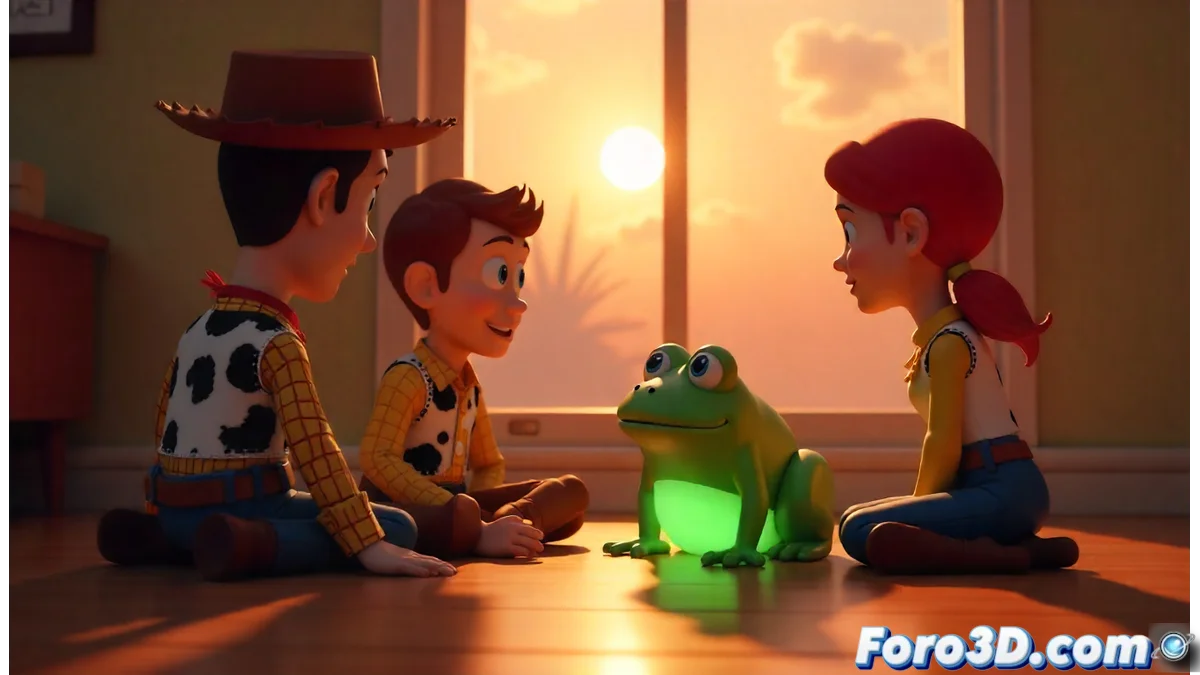
The most iconic animated saga returns to theaters on June 19, 2026 with a proposal that directly connects to current technological challenges 🎬. The iconic characters Woody, Buzz Lightyear, and Jessie face off against Lilypad, an intelligent frog that symbolizes modern toys with advanced capabilities, while maintaining the emotional essence that characterizes the franchise.
Visual Revolution with RenderMan
Pixar preserves the characteristic visual style but implements a significant qualitative leap through hyperrealistic textures and dynamic lighting systems. The studio leverages the capabilities of the updated RenderMan engine to create materials that perfectly balance the plastic look of the toys with more detailed and believable environments.
Key technical advances:- Hyperrealistic textures that maintain the plastic essence of the toys
- Dynamic lighting systems that intensify the sense of realism
- Meticulously crafted reflections and surfaces for greater credibility
Reflections, surfaces, and natural light contrasts are meticulously crafted to intensify the sense of scale and realism in every scene
Emotional Narrative and Color Palette
The film implements a warmer color palette that reinforces the emotional and nostalgic tone of the reunion between the iconic characters. This artistic decision accompanies the story, creating a visual experience that enhances both dramatic and humorous moments.
Key narrative elements:- Warm color palette that reinforces nostalgia
- Technical evolution at the service of emotional narrative
- Generational conflict between traditional toys and modern technology
Contemporary Reflection
The technical evolution serves a narrative where realistic texturing and studied lighting delve into the relationship between traditional toys and modern technology 🤖. The characters not only face existential crises about being forgotten, but must technologically update themselves to avoid becoming obsolete against a frog with better Wi-Fi connectivity, reflecting current technological adaptation challenges.