When 3D Printing Scales to New Heights
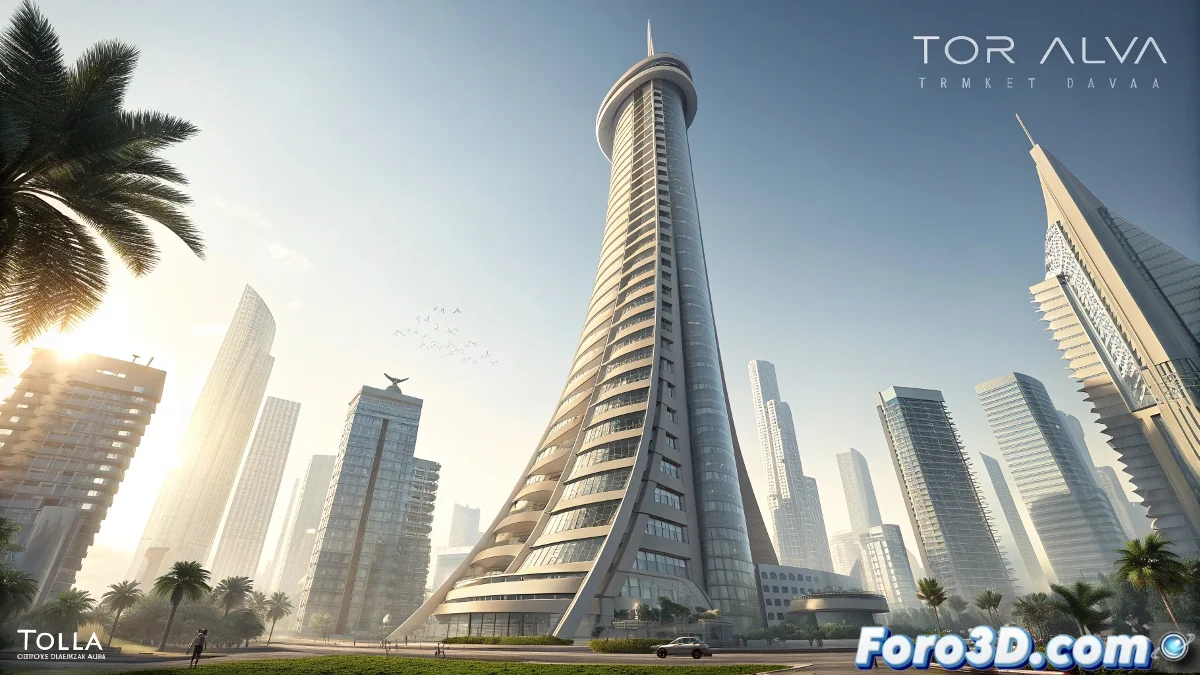
The Tor Alva is not just another building in the urban skyline; it represents the materialization of a technological dream that until recently seemed like science fiction. This project has set a new world record in construction using 3D printing, demonstrating that this technology is ready to leave the laboratory and transform the traditional construction industry. Each printed layer tells a story of stubborn innovation and faith in the potential of digital manufacturing.
What makes Tor Alva exceptional is not simply the use of 3D printing, but how it integrates this technology into a complete construction ecosystem. From the foundation to the final finishes, the project demonstrates a holistic vision where technology serves architecture, and not the other way around. The result is a building that challenges conventions while maintaining the highest standards of habitability and sustainability.
Printing a building layer by layer is like weaving the architecture of the future
Technical Aspects That Make the Difference
- Record height for 3D printed structures
- Composite materials developed specifically for the project
- Continuous printing system 24 hours a day
- Perfect integration of conventional facilities and systems
Revolution in Construction Efficiency
The Tor Alva methodology has demonstrated dramatic reductions in construction times and waste generation compared with traditional methods. While a conventional project of similar scope would require additional months, 3D printing allowed accelerating the process while maintaining millimeter precision. This efficiency not only benefits developers but also significantly reduces disruptions to the surrounding urban environment.
Computational design played a crucial role, allowing the optimization of every structural element for the unique capabilities of 3D printing. Organic forms that would be prohibitively expensive with traditional techniques were achieved with the same ease as rectilinear elements, opening new expressive possibilities for architecture.
Impact on the Construction Industry
- New standards of sustainability and material efficiency
- Reduction of up to 60% in material waste
- Greater safety by automating dangerous processes
- Mass customization without cost penalties
The environmental footprint of Tor Alva establishes a new paradigm for sustainable construction. The precise use of materials, combined with the possibility of incorporating recycled materials into the printing mixture, positions this method as one of the most promising alternatives to address the ecological challenges of the industry. Every kilogram of material was placed exactly where it was needed, eliminating the waste characteristic of traditional construction.
True innovation is not in printing buildings, but in reprinting our relationship with the built environment
And while purists debate aesthetics, Tor Alva stands there, proving that sometimes the future arrives layer by layer... literally 🏗️