Tim Winton presents Juice at New Scientist's book club
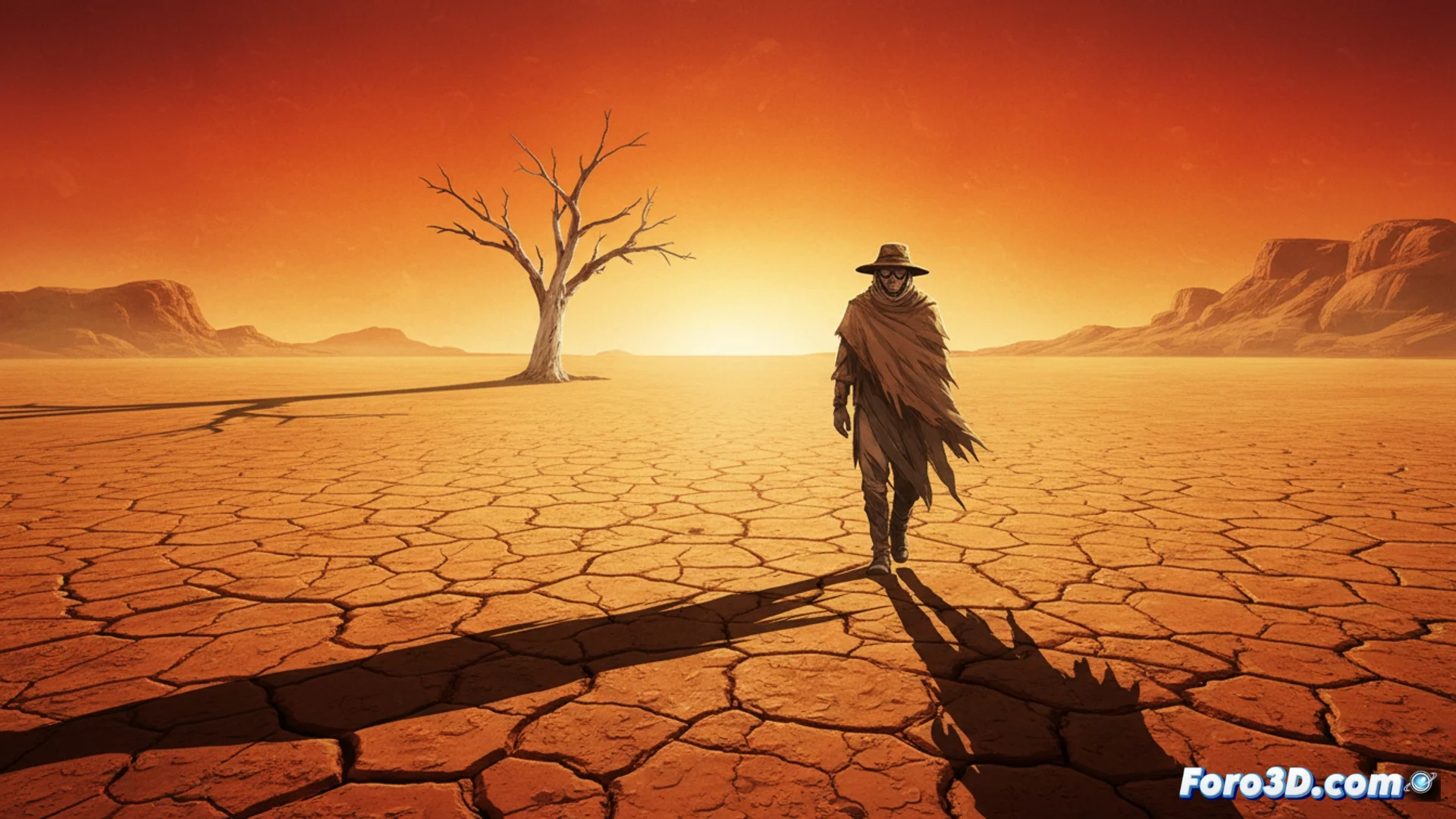
The Australian author Tim Winton will introduce his latest work, titled Juice, during the reading club meeting organized by New Scientist in February. This fiction story is set in a future where Australian territory has become an almost impossible place to live due to extreme temperatures. Winton clarifies that his motivation for writing is to analyze how climate change alters people's lives and the natural environment. Despite the severe outlook, the novelist emphasizes that it is not a dystopian tale. 🌀
A critique of the concept of dystopia as social anesthesia
Winton questions how the term dystopia is sometimes used as an opiate that serves to soften ecological alarm and postpone any action. His purpose is not to plunge the audience into despair, but rather to showcase the capacity of human beings to resist. The writer blends environmental awareness with a plot that appeals to emotions, preferring to avoid genre clichés so that the reader does not distance themselves from the raw reality depicted.
The narrative pillars of Juice:- Setting in a scorching and hostile Australian future for everyday life.
- Focus on the personal consequences of global warming, not on abstract catastrophe.
- Conscious rejection of the dystopian label to prevent the audience from perceiving the story as distant and impossible.
Labeling a story as dystopian can act as a defense mechanism, a way of thinking 'this is fiction, it won't happen to us'.
Exploring human resilience in a transformed world
More than posing a hopeless tomorrow, Winton aims to investigate people's ability to face extreme conditions and find meaning. The plot does not reduce to describing a disaster, but delves into the relationships between characters and their struggle to maintain dignity while surviving. The author links the urgency of the ecological problem with intimate stories, building a narrative that provokes thought without falling into absolute pessimism. 🌱
Key objectives of the novel:- Show the adaptation and resilience of communities and individuals.
- Generate dialogue about our present and the choices we make now.
- Use fiction as a powerful mirror of the possible futures we can choose or avoid.
Final reflections from an arid future
Winton builds a story where, although the heat is overwhelming, the protagonists at least do not have to battle humidity that ruins hair, an inconvenience that future generations in that world might miss as an unattainable luxury. This approach seeks to make the audience perceive the repercussions of warming in a more immediate and personal way, using narrative to connect the global crisis with concrete and moving human experiences. 📖