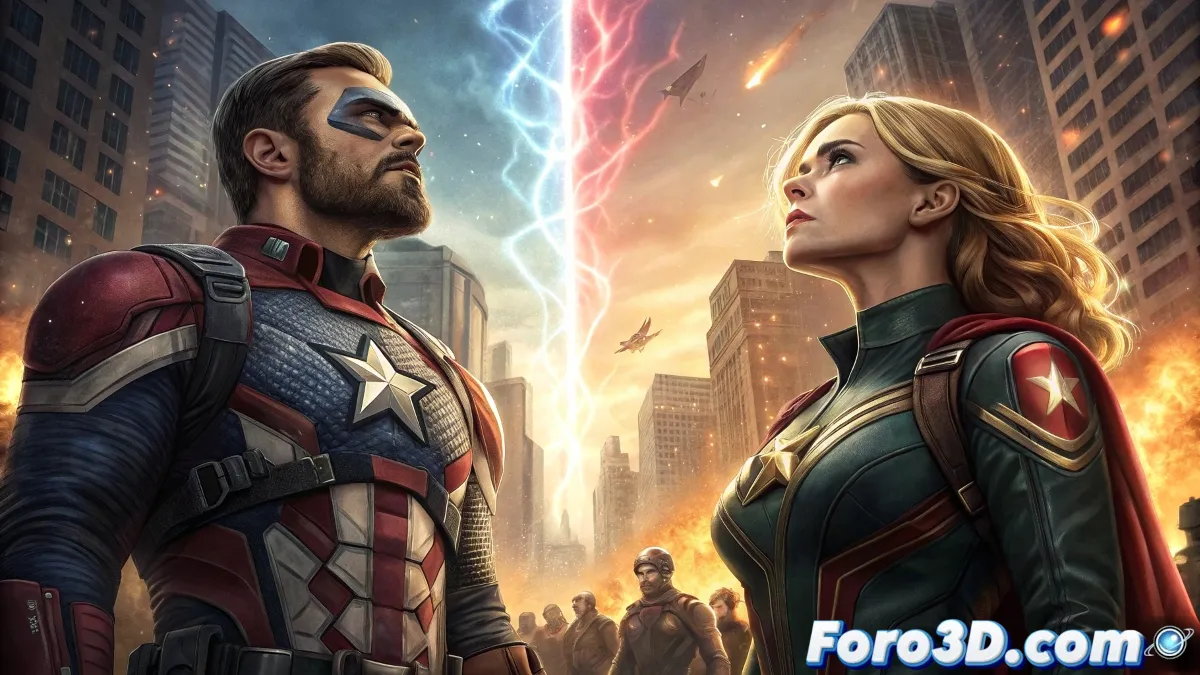
Different Origins and Purposes
In the comic book universe, there are teams formed by characters who walk the thin line between heroism and villainy. Thunderbolts and Suicide Squad represent two radically different approaches to this concept. While the former emerged as a heroic facade created by villains, the latter was conceived as a covert operations unit formed by criminals.
"The big difference lies in the fact that some seek redemption while others only seek to survive"
The Evolution of the Thunderbolts
This Marvel team presents a unique narrative:
- They start as villains disguised as heroes
- Some members genuinely change their attitude
- They explore themes of identity and second chances
- Their participation is voluntary in most versions
The Nature of the Suicide Squad
In contrast, the DC Comics team operates under darker premises:
- Composed of prisoners with no option to refuse
- Controlled through explosive implants
- Led by the ruthless Amanda Waller
- Concept based on coercion and pragmatism
Choice versus Obligation
The core of the difference between both teams lies in their fundamental dynamic. The Thunderbolts represent the possibility of change, while the Suicide Squad exemplifies survival under pressure. This distinction marks their stories, character development, and relevance within their respective universes.
Cinematic Adaptations
The film versions of these teams maintain their original essences. The Thunderbolts cast in the MCU includes characters with complex motivations but heroic tendencies, while the Suicide Squad movies retain their raw and violent tone, faithful to the comics.