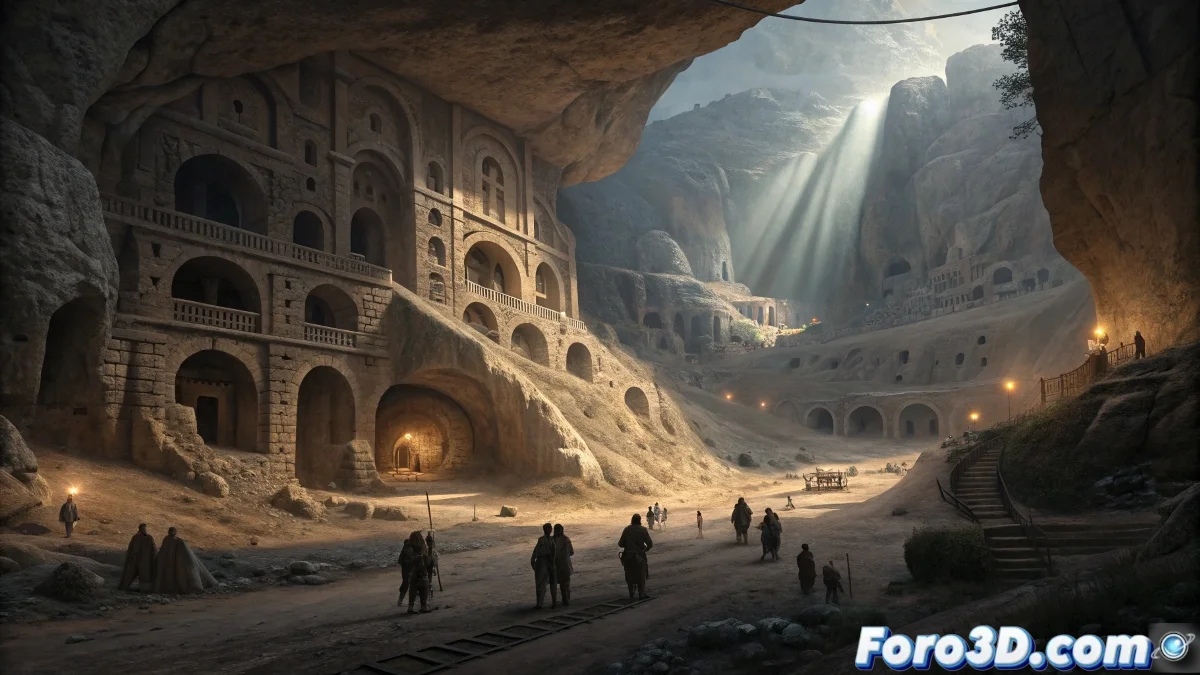
A Hidden Metropolis Beneath the Earth
The Cappadocia region in Turkey, already famous for its lunar landscapes and underground cities, has just revealed its best-kept secret. 🏛️ Archaeologists have discovered what appears to be the world's largest underground citadel, surpassing the scale and complexity of the well-known Derinkuyu. Estimated to be over 5,000 years old, this labyrinth of tunnels, chambers, and habitable spaces stretches for kilometers beneath the surface, challenging our understanding of the ingenuity and organization of ancient civilizations.
More Than a Refuge, a Home
What makes this find unique is the evidence that it was designed to sustain community life over extended periods. It wasn't just a temporary hideout during invasions, but a true underground habitat. 🛖 Researchers have identified clearly differentiated areas: living spaces, food storage zones, stables for animals, and even areas suggesting ceremonial or social uses. This indicates a highly organized society capable of living underground for months if necessary.
This city was not an emergency shelter; it was an alternative life plan underground.
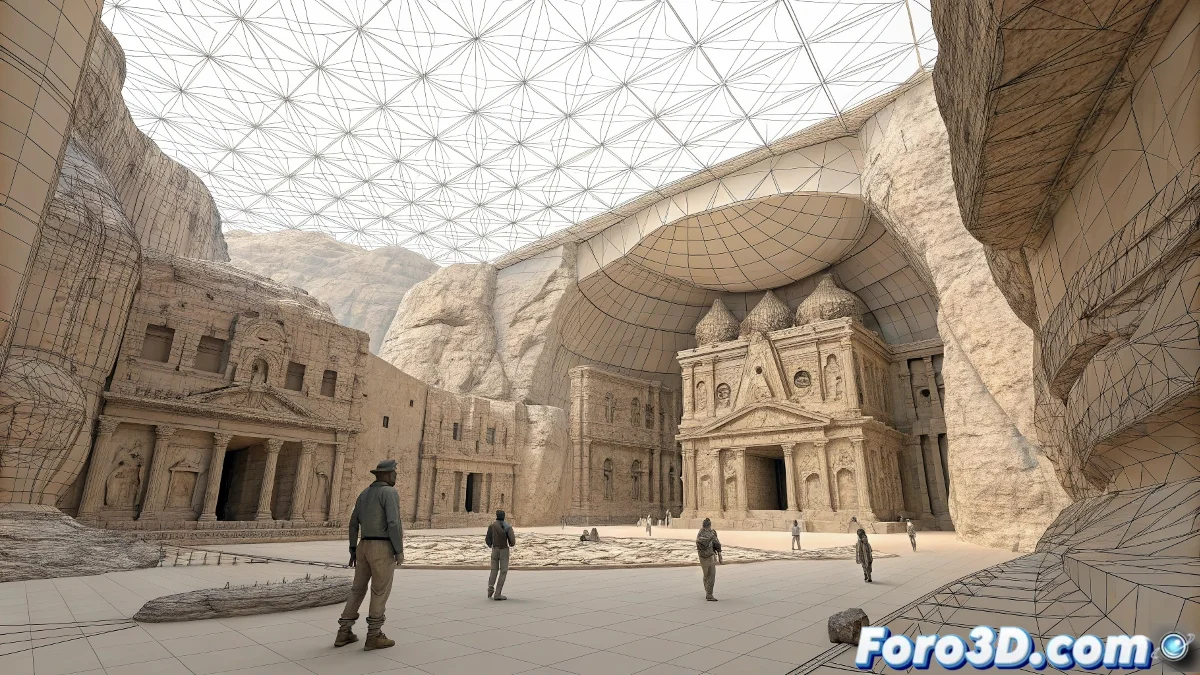
A Masterpiece of Ancient Engineering
The sophistication of the construction is astounding. The complex features natural ventilation systems that allowed air circulation at great depths, water wells, and security mechanisms like circular stones that could block tunnels from the inside. 🏗️ The soft volcanic rock of Cappadocia facilitated excavation, but the structural design that has endured for millennia demonstrates advanced knowledge of soil stability and urban planning.
- Sustainable Living: Evidence of crops that could grow with little light.
- Connectivity: Tunnels that possibly linked to other smaller underground cities.
- Climate Adaptation: Protection from the surface's thermal extremes.
Recreating the Wonder in 3D
Visualizing this architectural feat is possible with tools like 3ds Max. Using splines to define the tunnel network and extrusion modifiers to give them volume, the base structure can be built. 💡 The key lies in the lighting; using dim point lights with warm colors simulates the effect of the oil lamps its inhabitants would have used, creating a mysterious and realistic atmosphere that conveys the immensity and isolation of the underground city.
It's a discovery that reminds us that necessity sharpens ingenuity. While today we discuss building heights, five thousand years ago they were already solving the challenges of subsurface living on a metropolitan scale. 😉 It seems the original real estate "boom" was downwards.