When the Earth Reveals Its Best-Kept Secrets
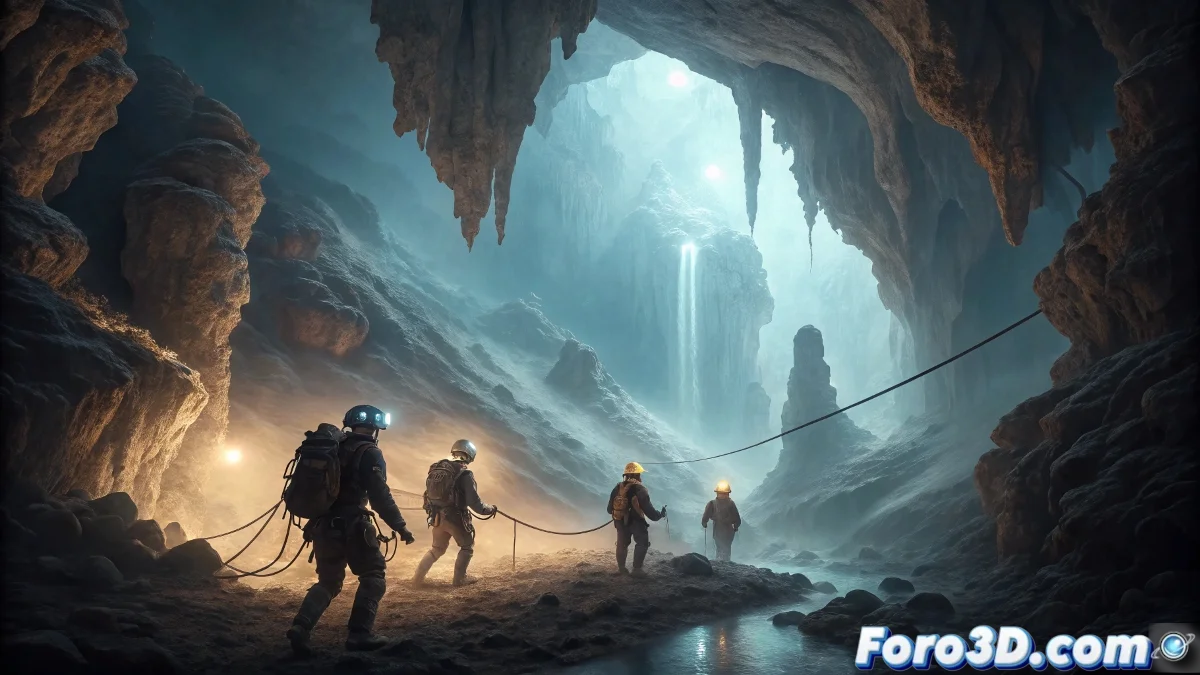
A team of speleologists has unveiled in Andalusia what is confirmed to be the most extensive cave system ever documented in the region, proving that even in the 21st century our planet continues to hold hidden treasures beneath the surface. This discovery challenges the notion that all European territory is completely explored and cataloged. The underground galleries, which stretch for kilometers beneath the Andalusian mountains, contain geological formations that have remained isolated for millennia.
The find occurred almost by chance when researchers were studying minor karst formations and detected air currents coming from a previously ignored crevice. What began as a routine exploration turned into the most significant speleological discovery of the decade in Southern Europe. The actual dimensions of the system are still being determined, but initial estimates suggest it considerably surpasses any known Andalusian cavern to date.
Exceptional Characteristics of the Discovered System
- Multiple galleries extending across several depth levels
- Unique formations of stalactites and stalagmites of extraordinary size
- Subterranean lakes with crystalline waters and isolated ecosystems
- Virgin passages never disturbed by human activity
The Meticulous Work of the Explorers
Mapping this vast underground system requires cutting-edge techniques combined with the traditional expertise of speleology. Teams use laser scanners to create three-dimensional maps with centimeter precision, while documenting each formation with high-resolution photographs. The process advances slowly, as each new gallery discovered can lead to unexpected branches that multiply the complexity of the mapping.
The real discovery does not consist in seeking new landscapes, but in having new eyes
The biologists accompanying the speleologists have already identified several endemic species adapted to the perpetual darkness of the caves. From blind insects to microorganisms that obtain energy from chemical processes rather than photosynthesis, each finding contributes to a better understanding of life in extreme conditions. These creatures represent unique evolutionary lines that have followed different paths from their surface-dwelling relatives.
Scientific Implications of the Discovery
- Geological studies on the formation of karst systems
- Biological research on endemic cave-dwelling species
- Climate analysis through the study of mineral formations
- Potential archaeology of prehistoric human settlements
This discovery serves as a powerful reminder that the era of great geographical finds is far from over. While attention focuses on space exploration or ocean depths, our continent still hides unexplored territories beneath our feet. The Andalusian cave promises decades of scientific research and will likely reveal many more secrets as exploration advances.
Those who believed everything in Europe had already been discovered probably hadn't considered what lies beneath the surface 🌄