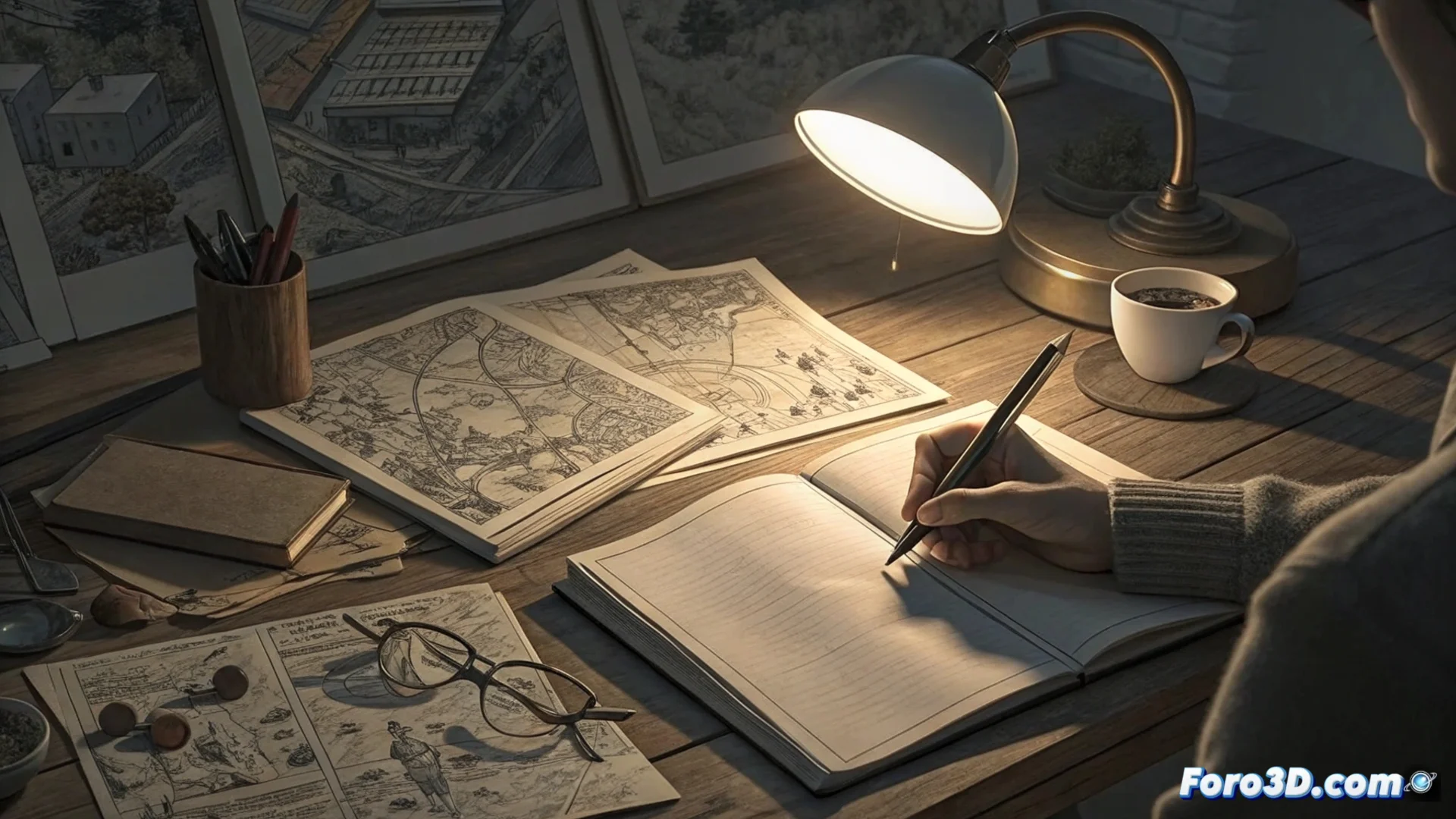
There is no correct way to write a comic
Numerous creators who are starting out seek a fixed pattern or manual for writing a comic book. The truth is that there is no single method that works for everyone. Comics is a medium that by nature allows a lot of freedom, accepting schemes that elsewhere would be seen as disorganized. You can start a series in one tone and end in another, as long as the journey maintains coherence and the reader enjoys it. The essential thing is not to obey a rigid plan, but to know how to direct attention page by page. 🎨
Structure is a guide, not a mandate
Considering acts, plot twists, or character evolution helps to organize the story, but it should not limit creativity. A narration can progress naturally, without fitting the three-act model, and still create a powerful bond. The trick is in managing the tempo, revealing information little by little, and sustaining an emotional or conceptual axis that unites the beginning with the end. An initial digression can end up being the center of the entire plot.
Key points to remember:- Rhythm and dosing information are more important than following abstract rules.
- A thematic or emotional thread ensures the coherence of the narrative journey.
- Deviations can become fundamental elements of the plot.
What defines whether a story works is the reader's experience when closing the comic.
The end justifies the method
In the end, what determines the success of a comic is what the reader perceives. If the narration, even if it takes unexpected paths, offers a feeling of complete closure and all the parts fit together, the process used is valid. Worrying too much about doing it "right" according to norms can extinguish the author's personal voice. Sincerity and the ability to surprise, respecting the internal logic of the created world, are usually worth more than any strict convention.
Indicators of a good script:- The story leaves an impression of satisfaction and unity when finished.
- The plot pieces, no matter how surprising, fit together.
- It preserves the authenticity and unique voice of the creator.
The essential question
For this reason, the most common recommendation among experts is not a decalogue of rules, but a simple question: does it work?. If the answer is yes, then the work was well done. This approach prioritizes the result and the connection with the audience over dogmatic adherence to pre-established theories. ✍️