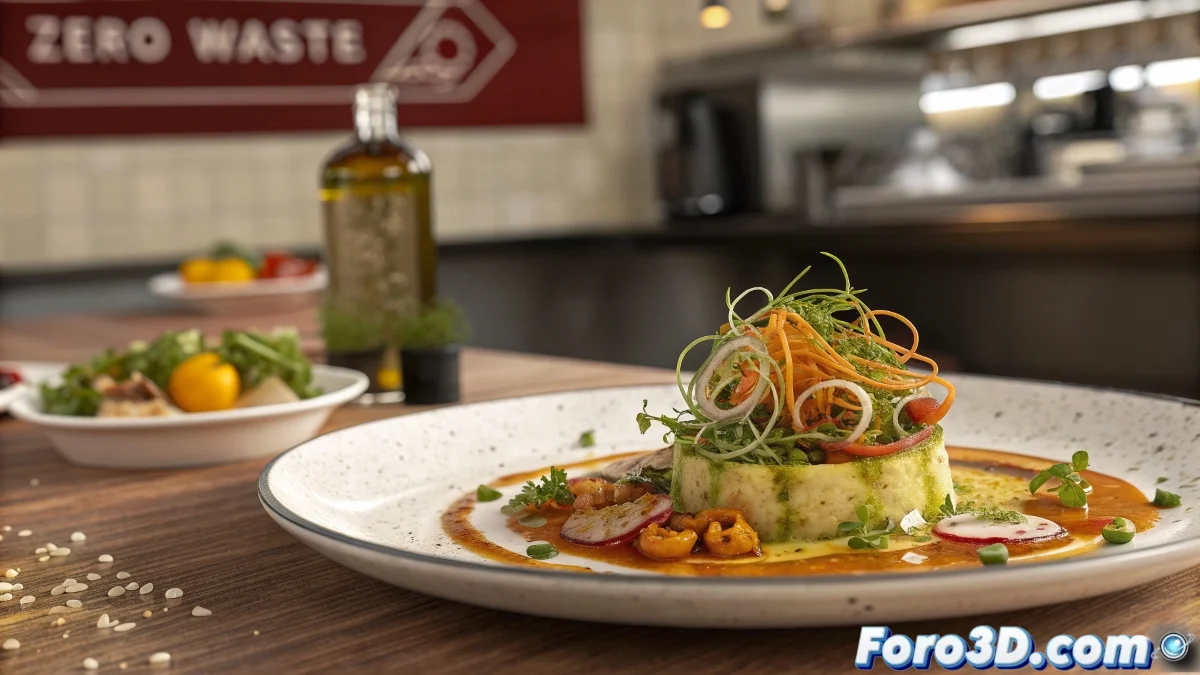
When Culinary Creativity Meets Ecological Awareness
Global gastronomy is undergoing a profound transformation with the rise of the Zero Waste movement or waste-free cooking. Elite restaurants in cities like Copenhagen, New York, and Barcelona are being recognized for their commitment to utilizing every part of a food, from the peel to the seeds. This philosophy not only drastically reduces the environmental footprint but has unleashed a wave of creativity where what was once discarded becomes the protagonist of innovative dishes. It is a mindset shift that is redefining gastronomic luxury. 🌱
Unity: A Virtual Plate for a Real Kitchen
To convey the principles of this culinary revolution, Unity presents itself as a powerful tool. It allows creating interactive simulations where users can experience firsthand how an ingredient is maximized. Through the use of physics, particle systems, and an intuitive interface, it is possible to design an educational experience that shows the journey of a food from its natural state to its transformation into multiple dishes, without generating waste.
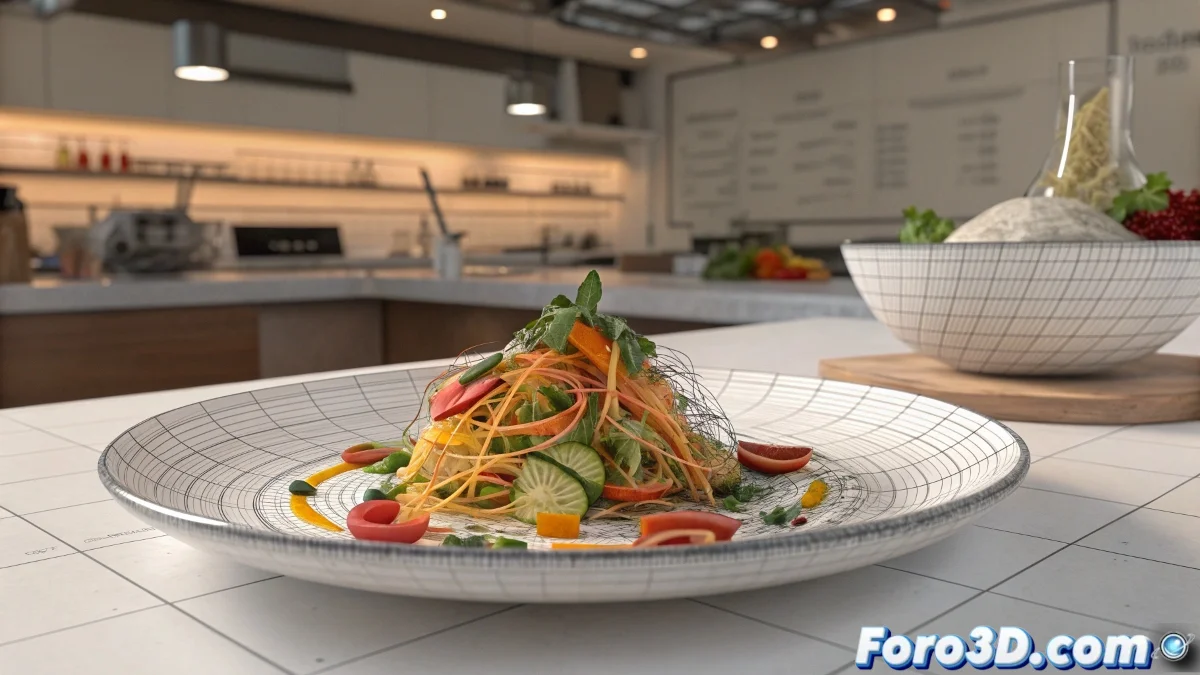
Developing a Virtual Sustainable Kitchen
Creating this experience in Unity requires a systematic approach and attention to educational detail.
- Scene Setup: Model a virtual kitchen with a central countertop where ingredients are placed.
- Interactive Prefabs: Create 3D objects of fruits, vegetables, and their "waste" (peels, stems) that the user can select.
- Transformation Logic: Program C# scripts that allow converting a leftover, like a potato peel, into a new element, such as a broth or a crunchy snack.
- Educational Interface: Implement a UI system that explains the culinary uses of each part of the food when interacting with it.
The goal is to make the abstract concept of "total utilization" tangible. 💻
Its objective goes beyond sustainability; it seeks to redefine the relationship with food, restore its value and dignity.
The Code Behind the Concept
The magic of the interaction lies in simple but effective scripts. A basic script like TransformWaste can manage the visual conversion of a leftover into a final dish, destroying the original object and instantiating a new one in its place. This immediate feedback is key for the user to internalize the fundamental principle: nothing is thrown away, everything is transformed. The warm lighting and post-processing effects help create a welcoming environment that invites exploration. ✨
In the end, this Unity project demonstrates that technology can be an exceptional ally for sustainability education. And it is paradoxical that in the virtual world so many CPU cycles can be wasted rendering a digital banana peel, while in the real kitchen, that same peel could be the star ingredient in a cake. 😉