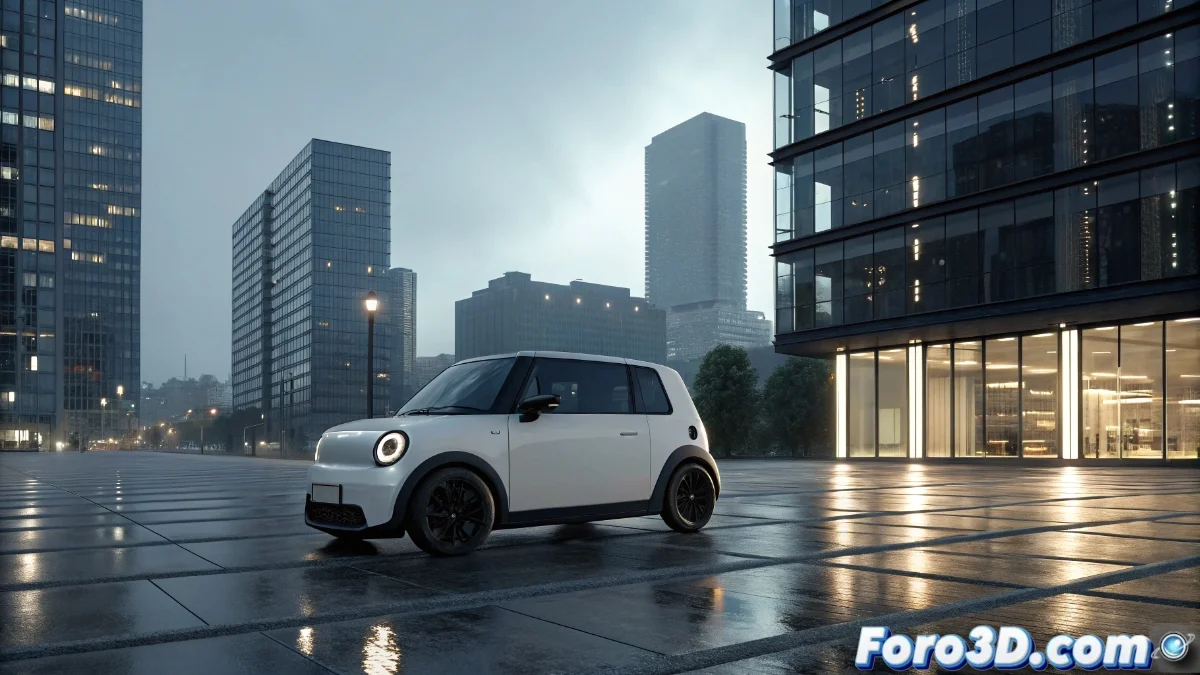
The XEV LSEV: Revolution in Urban Mobility with 3D Printing
The LSEV from XEV marks a milestone in the evolution of electric vehicles through a structure composed of only 57 plastic parts manufactured using 3D printing technology. This disruptive approach eliminates the need for hundreds of conventional components, radically transforming traditional production processes 🚗⚡.
Transformative Advantages of Additive Manufacturing
3D printing introduces a production method that is notably more economical and modular, simplifying assembly lines by minimizing the number of required elements. This methodology not only substantially reduces tooling and development costs but also enables advanced customization to adapt to diverse markets and preferences.
Key benefits of this approach:- Reduction of total weight to approximately 450 kg, improving energy efficiency
- Drastic decrease in prototype development and production time
- Flexibility for modifications and updates without costly retooling
"Additive manufacturing is redefining automotive paradigms, enabling lighter, more economical vehicles adaptable to contemporary urban needs"
Impact on Sustainable Urban Mobility
This vehicle is strategically positioned in the essential urban mobility segment, offering a lightweight and accessible solution for metropolitan commutes. Its design focused on simplicity and weight reduction makes it the ideal option for short trips, actively contributing to reducing vehicle congestion and polluting emissions.
Highlights for urban environments:- Optimization for use in cities with electric charging infrastructure
- Simplified maintenance thanks to the reduction of complex components
- Reduced environmental footprint throughout the vehicle's life cycle
The Future of Automotive Manufacturing
Although home assembly might present challenges with only 57 components, the 3D printing revolution demonstrates how the automotive industry can evolve toward more sustainable and efficient methods. The LSEV represents a crucial precedent for the next generation of urban vehicles, where customization, waste reduction, and manufacturing efficiency become fundamental pillars 🌱🏭.