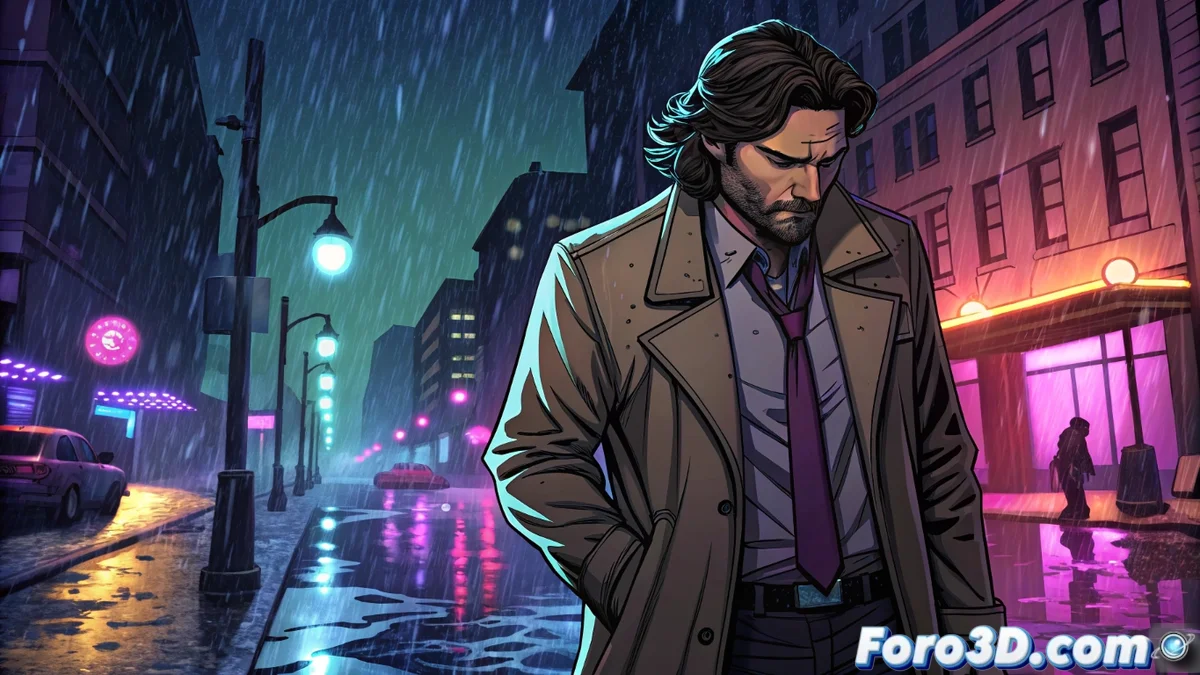
The Wolf Among Us 2: Graphical Evolution and Engine Change
The sequel to Telltale's acclaimed narrative adventure returns with a renewed visual identity. Although it retains the essence of its predecessor, it takes a significant technical leap that redefines its presentation. 🎮
A New Engine for a New Chapter
Development abandons Telltale's proprietary system to adopt Unreal Engine. This fundamental change enables the implementation of specialized post-processing shaders, which are key to simulating ink outlines and flat color palettes of a comic, achieving a more dynamic visual integration.
Main advantages of the change:- Higher fidelity rendering for textures and lighting systems.
- Ability to create more complex and fluid visual effects.
- A more robust technological base for interactive narrative.
The switch to Unreal Engine is not just a technical improvement; it's a reinvention of the canvas on which the story is painted.
The Evolution of the Iconic Graphic Style
The goal is clear: surpass the first installment while maintaining its charm. Image quality is improved, animations are made smoother, and shading is refined. The result is characters and environments that seem extracted from a comic in motion, but with a much higher level of detail. ✨
Highlighted visual features:- Ink outlines defined through shaders, not just textures.
- Use of lights and shadows for greater depth and drama.
- Flat color palettes that emulate traditional printing.
Technical Legacy and Expectations
The transition to Unreal Engine raises reflection on Telltale's path. This engine could have offered greater stability in the past. Now, its implementation promises a more immersive and technically polished experience, connecting the narrative legacy with innovations that respect the original style. The visual leap is evident, marking a before and after in the saga. 🚀