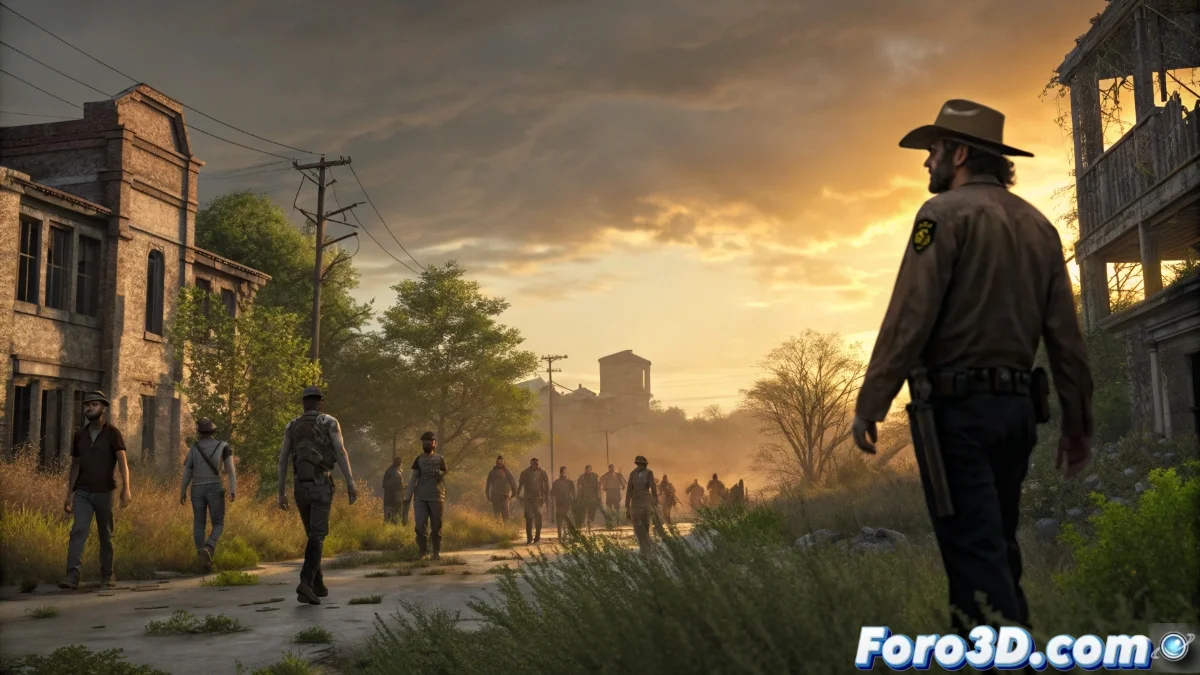
The Walking Dead: analysis of Kirkman's post-apocalyptic comic
The iconic series of post-apocalyptic comics created by Robert Kirkman and Tony Moore transports readers to a world where civilization has collapsed and zombies, known as walkers, dominate the landscape. Through the eyes of Rick Grimes, a former police officer who awakens from a coma in this new and terrifying reality, we explore not only the struggle for physical survival, but also the profound ethical and emotional dilemmas that arise when humanity faces its extinction. 🧟♂️
Character transformation in a hostile world
One of the most fascinating narrative pillars of The Walking Dead is the constant evolution of its protagonists. Rick Grimes begins his journey as a compassionate and optimistic leader, but circumstances shape him into a pragmatic and sometimes ruthless figure. His son, Carl Grimes, grows up in this brutal environment, facing traumas and challenges that forge his identity from childhood. The series devotes as much space to group dynamics and interpersonal relationships as to confrontations with the undead, creating a rich tapestry of human conflicts.
Key elements of character development:- Rick's transition from idealist to distrustful strategist reflects the psychological cost of survival
- Carl represents the loss of innocence and forced adaptation in a young generation
- Alliances and betrayals within the group expose the fragility of morality in extreme situations
In this universe, the walkers are just the backdrop; the true drama lies in the decisions we make to protect those we love.
Cultural influence and universe expansion
Beyond the pages of the comic, The Walking Dead has left an indelible mark on popular culture. The television adaptation became a global phenomenon, generating acclaimed video games, derivative graphic novels, and a wide range of merchandise. What distinguishes this work is its focus on human drama over superficial horror, demonstrating that zombie stories can be profound vehicles for examining the human condition. After 193 issues published until its conclusion in 2019, the series' legacy endures through spin-offs and new interpretations that keep its essence alive.
Aspects of cultural impact:- It inspired a media franchise that redefined the post-apocalyptic genre on television
- Its themes on morality and community influenced numerous contemporary works
- The unpredictable and raw narrative set a new standard for horror comics
Final reflections on the essence of the series
The Walking Dead transcends the concept of a simple zombie story to become a profound study of human resilience. Kirkman invites us to consider that, at times, dealing with the internal group tensions can be more heartbreaking than facing a horde of walkers. The series concludes leaving a legacy of uncomfortable questions about what it really means to maintain our humanity when everything around us pushes us to lose it. Its raw narrative and unexpected twists ensure it remains an indispensable reference in the comic world and beyond. 💀