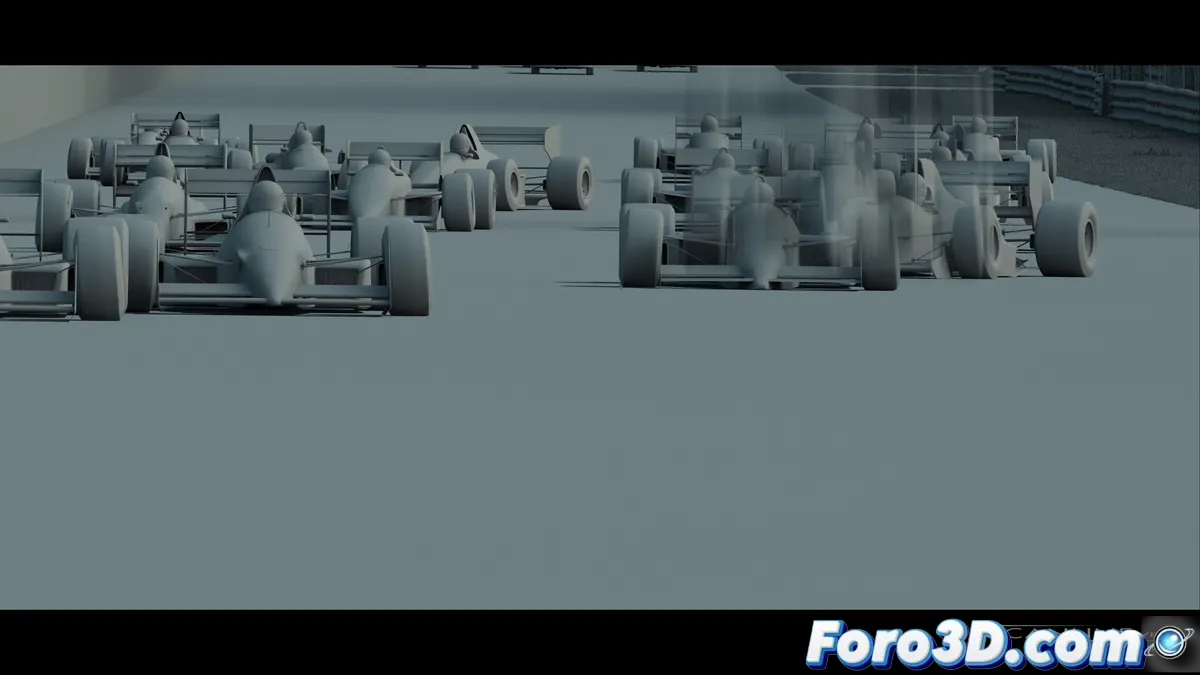
The miniseries Senna, produced by Netflix, represents a visual homage to the Brazilian driver Ayrton Senna, three-time Formula 1 champion. With a budget of 170 million dollars, the production became the most expensive in Brazilian history and featured over 2,000 visual effects shots distributed across six episodes. This project not only seeks to honor Senna's memory but also to highlight Brazilian talent in the global visual effects industry.
A Technical and Emotional Challenge
Marcelo Siqueira, General VFX Supervisor, highlighted that the series was a challenge both technically and emotionally. Recreating Senna's most iconic races on international circuits required a collaborative effort between six visual effects studios, three of them Brazilian. Historical accuracy was key, as Senna fans worldwide would recognize any error in the details.
Representing Senna's legacy was an enormous responsibility. Every detail, from the cars to the advertising on the circuits, had to be perfect.
The Technology Behind the Races
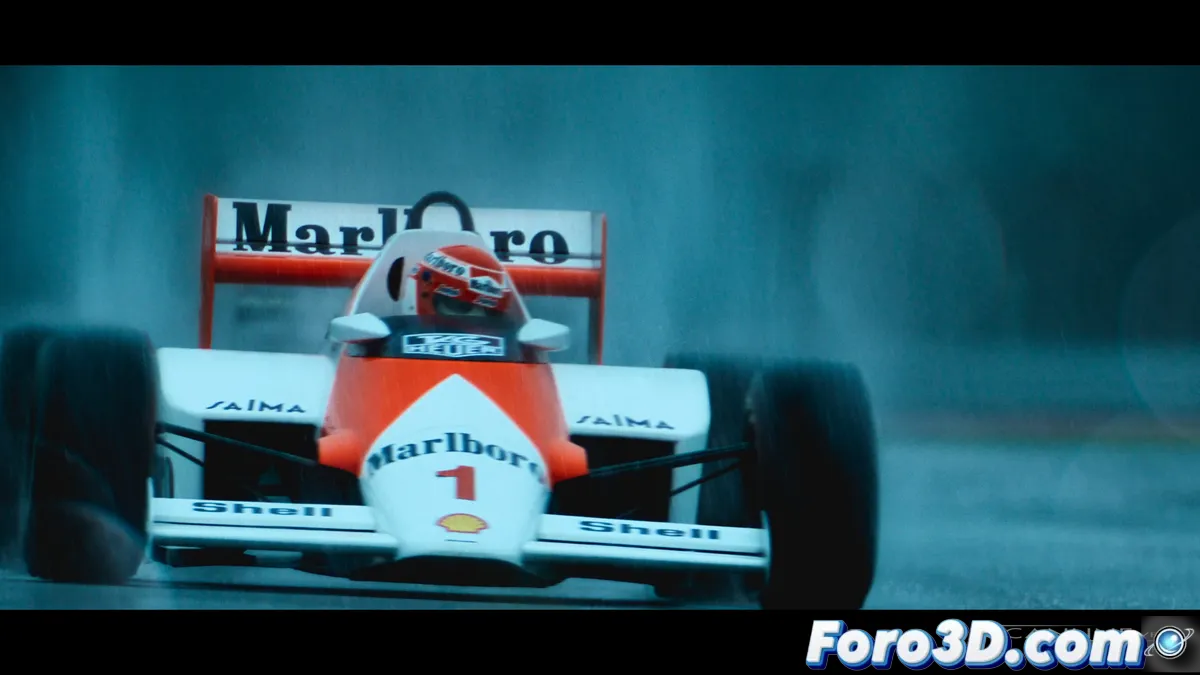
To recreate the races, advanced techniques such as CGI and virtual production were used. Studios like Miagui, Quanta, and Picma Post worked on the digital reconstruction of circuits like Monaco, Suzuka, and Interlagos. Miagui, for example, handled the Monaco races in 1984 and 1988, including simulations of heavy rain that added realism to the scenes.
- Circuit Recreation: Historical details based on photographs and archival footage.
- Advanced Simulations: Rain effects and realistic weather conditions.
- Visual Integration: Combination of practical shots with digital extensions.
Historical Precision and Attention to Detail
The series interwove recreated images with archival material provided by the FIA. Studios like Quanta Post restored and integrated this material, ensuring that the visual narrative was consistent with the era. Additionally, cars, clothing, and signage were recreated with a level of detail that faithfully reflected the 80s and 90s.
A Collaborative Effort
The production featured the participation of international studios like Scanline VFX and NetFX, which worked on key sequences such as the Suzuka and Interlagos races. NetFX contributed over 700 shots, while Scanline focused on recreating environments and action sequences. Eyeline Studios, for its part, used Unreal Engine to generate fully digital environments.
The Impact of the Series
The Senna miniseries is not only a tribute to the Brazilian driver but also a testament to the advancement of the visual effects industry in Brazil. With a balance between technology and art, the production succeeded in capturing the essence of a sports icon and bringing it to new generations.