When Tradition Meets Technology
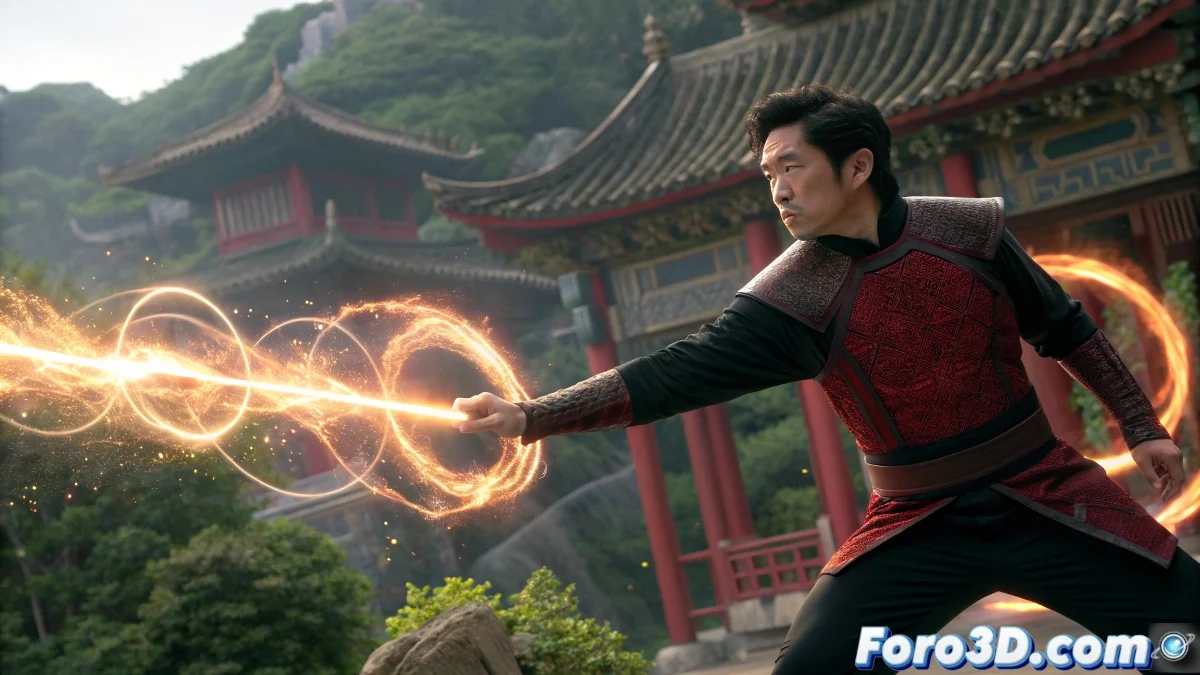
In Shang-Chi and the Legend of the Ten Rings, Fin Design + Effects proved that modern wuxia needs both martial arts masters and digital artists 🏮. The film turned ancient myths into fluid visual effects, where each energy ring had its own personality and physics.
The Art of Animating Magical Energy
The studio developed:
- Houdini simulations that gave weight and grace to the rings, like body extensions
- Chromatic contrast that reflected the father-son duality in every effect
- Breathing environments, with vegetation reacting to combat like another spectator
The discarded concept: when the rings looked like they came from an 80s dance floor. The Marvel universe wasn't ready for that much luminous party.
How to Recreate These Effects in Blender
- Magical energy: Animated Bezier curves with adherent particle systems
- Living environments: Wind simulations with force fields and vegetation rigs
- Elemental battles: Combination of Mantaflow fluids and emission shaders
Details That Made the Difference
The technical challenges included:
- Custom physics for the rings, which changed depending on the user
- Creature integration into scenes with complex natural lighting
- Nuke compositing that maintained the balance between fantasy and realism
The result was so harmonious that the digital trees seemed to move to the rhythm of martial arts... or maybe it was just movie magic 🌿.
Lessons for Digital Martial Artists
This project taught that:
- Magical effects must flow like extensions of human movement
- The color palette can tell a story on its own
- Even fantastic environments need grounding in physical reality
So the next time you see martial arts on screen, remember: behind every perfect strike there's a VFX artist who probably trained in digital kung fu... and survived countless renders 🥋💻.