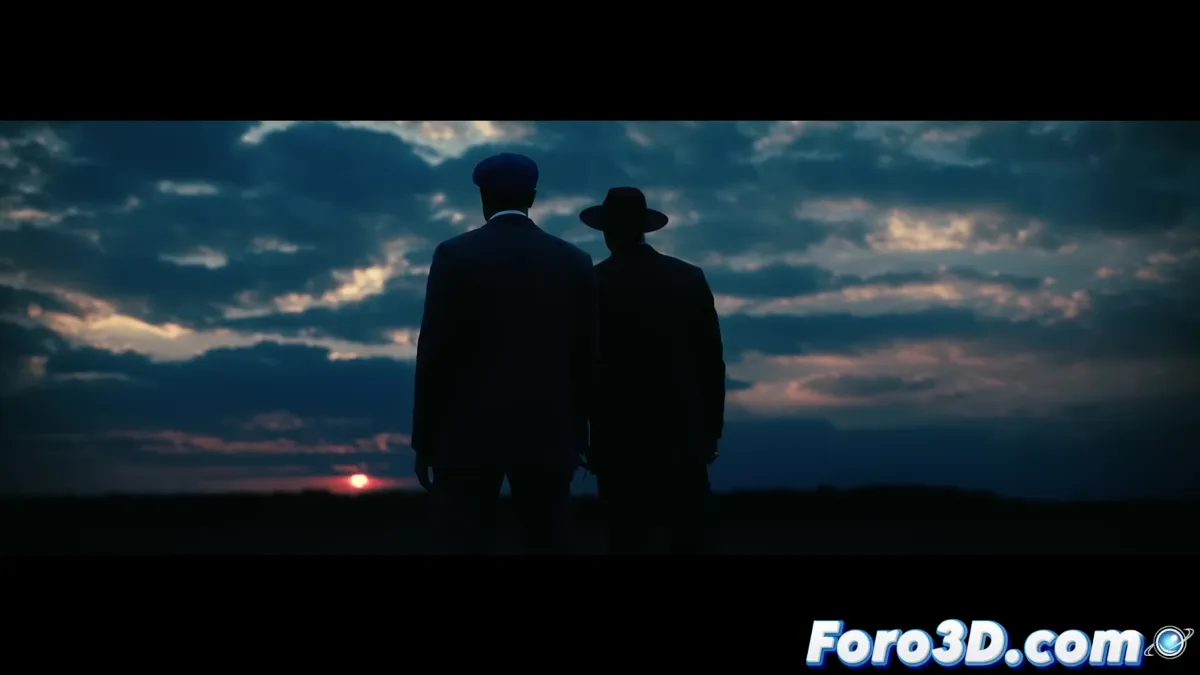
A Creative Collaboration
Director Ryan Coogler and actor Michael B. Jordan team up once again in a cinematic project that explores the boundaries between the real and the supernatural. Sinners presents a narrative where psychological horror is built through carefully designed visual elements.
The Visual Effects Consortium
To bring this vision to life, a select group of specialized studios was assembled:
- Storm Studios - Atmospheric and environmental effects
- Rising Sun Pictures - Key action sequences
- ILM - Digital creatures and fluid simulations
- Base FX - Integration of practical elements
True horror lies not in what is shown, but in what is suggested
Visual Suspense Techniques
The main focus was on creating subtle disturbances in reality:
- Barely perceptible spatial distortions
- Reflections that do not correspond to their source
- Shadows with unnatural behavior
- Textures that subtly change between shots
The Invisible Coordination
Michael Ralla oversaw the work of more than eight hundred digital artists distributed across three continents. The process required a constant review system where each shot went through multiple approval stages before final integration.
The Language of the Ominous
The visual palette was built around extreme contrasts, with areas of complete darkness that hide more than they reveal. This approach allowed for reducing the load of visible effects while increasing psychological tension, demonstrating that sometimes less is more in the horror genre.
Technical Legacy
The methods developed for Sinners established new parameters for modern supernatural horror, particularly in the integration of practical effects with nearly imperceptible digital extensions that amplify the viewer's discomfort.