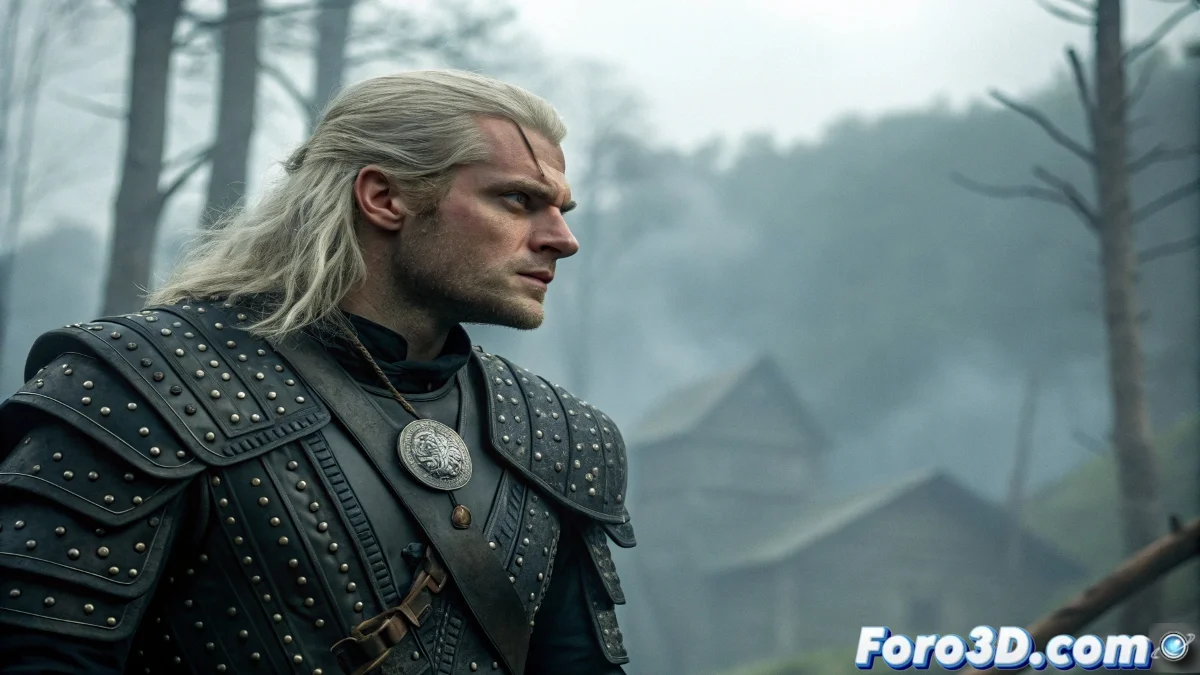
When Fantasy Meets Technology
In the second season of The Witcher, RVX VFX proved that creating believable monsters requires both art and science 🧙♂️💻. They transformed algorithms into beasts and code into magic, bringing to life a world where every detail contributes to immersion.
RVX's Digital Bestiary
The creative arsenal included:
- ZBrush Modeling for creatures with so much detail you can almost smell them
- Houdini Simulations where magic flows with convincing physics
- Substance Texturing that gives each monster its own battle history
"When our animator started growling like the beast he was creating, we knew he was on the right track" - VFX Supervisor
How to Recreate This Black Magic in Blender
- Organic Creatures: Digital sculpting with multiresolution modifier
- Magical Effects: Particle systems with force fields
- Environments: Volumetric lighting with principled volume nodes
Details That Made the Difference
The technical challenges included:
- Integrating CG Creatures with actors without breaking the illusion
- Magic That Respects the internal rules of the Witcher universe
- Nuke Compositing maintaining the series' raw aesthetic
The result was so immersive that fans swore they could feel the beasts' breath... though it might have just been the air conditioning 🌀.
Lessons for Fantasy Artists
This project taught that:
- Detail in Textures separates the good from the legendary
- Believable Magic needs grounding in realistic physics
- Even the most serious technicians can become their creatures
So the next time you see Geralt fighting, remember: behind every digital scar is a VFX artist who probably dreamed of beasts that night... and faster renders than a witcher's strike ⚔️💻.