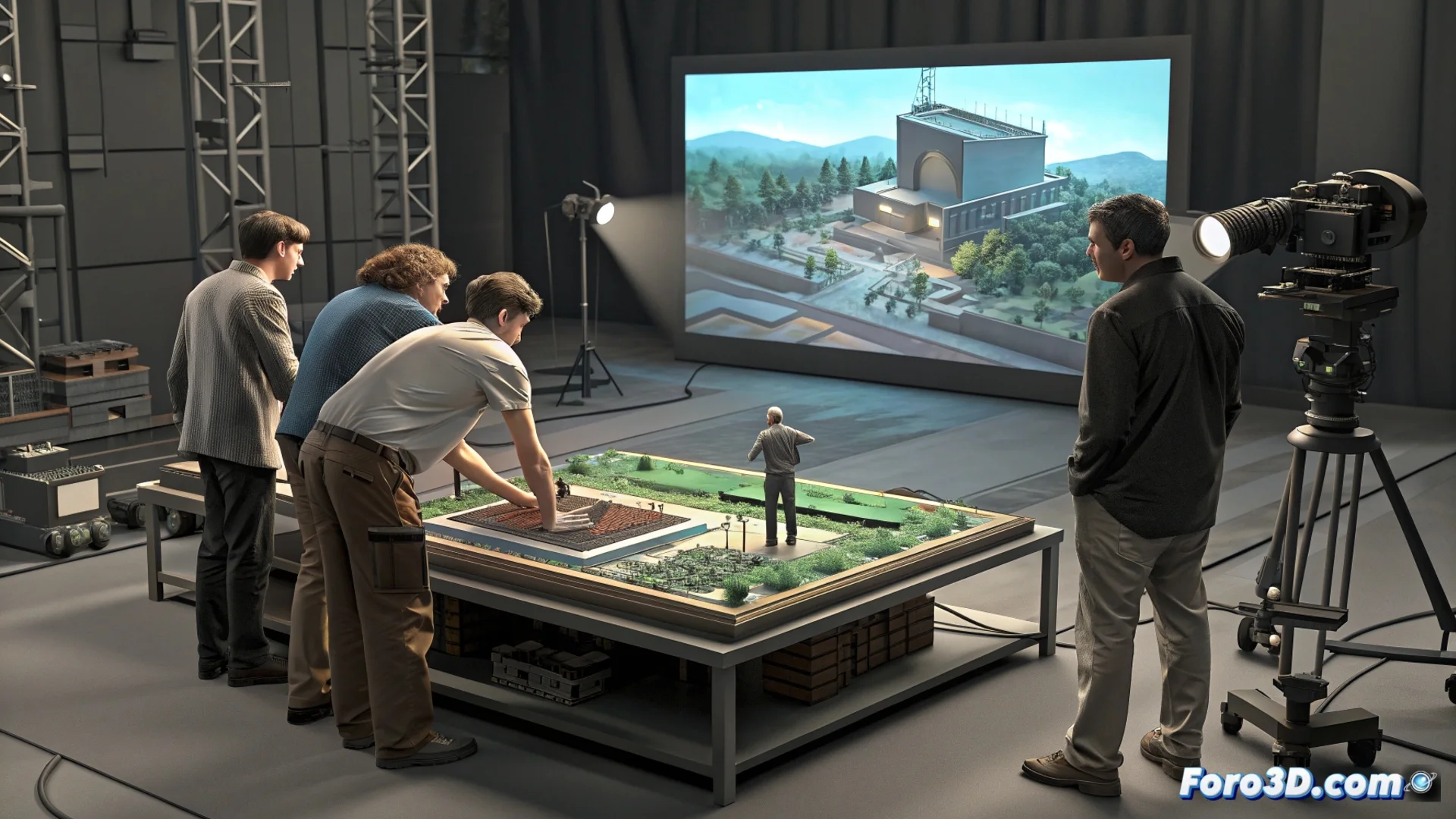
Visual Effects for the 2026 Oscars Blend Practical and Digital Techniques
The race for the 2026 Oscars is defined by a seamless fusion between the physical and the digital. Studios no longer debate which technique is superior, but rather how to combine both to enhance the story. Success is measured when the audience perceives a believable world, without questioning the technology behind it. 🎬
The Narrative Guides the Technical Choice
Directors and VFX supervisors plan each sequence by prioritizing the emotion to be conveyed. Practical sets and real props are built for actors to interact with, improving their performance. Subsequently, digital artists expand or enrich those elements. This hybrid method requires organization and communication between departments from the earliest phases of a project.
Key Advantages of the Combined Approach:- Authentic Performance: Actors react to physical objects and environments, which cameras capture more naturally.
- Real Basis for the Digital: Scale models and sets provide invaluable references for lighting, texture, and perspective for VFX artists.
- Efficiency in Post-Production: By resolving part of the environment practically, the time and cost of generating everything digitally is reduced.
The true special effect is when no one wonders 'how did they do it?' but simply believes what they see.
Technologies That Erase Boundaries
Advances in software and hardware facilitate this integration. Motion capture systems and real-time rendering are fundamental. Precise lighting matching and camera tracking allow digital elements to be inserted into scenes filmed with practical effects.
Central Tools in the Fusion:- Volume LED Screens: Generate dynamic backgrounds that project real light onto actors and sets, creating coherent reflections and shadows instantly.
- Material Simulation: Advanced software replicates how light interacts with digital surfaces to match the practical ones.
- Pre-Visualization (Previs): Animatics and virtual environments are used to plan complex shots that will blend both techniques.
Towards Tangible Realism
This trend responds to the audience and critics' desire for organic realism