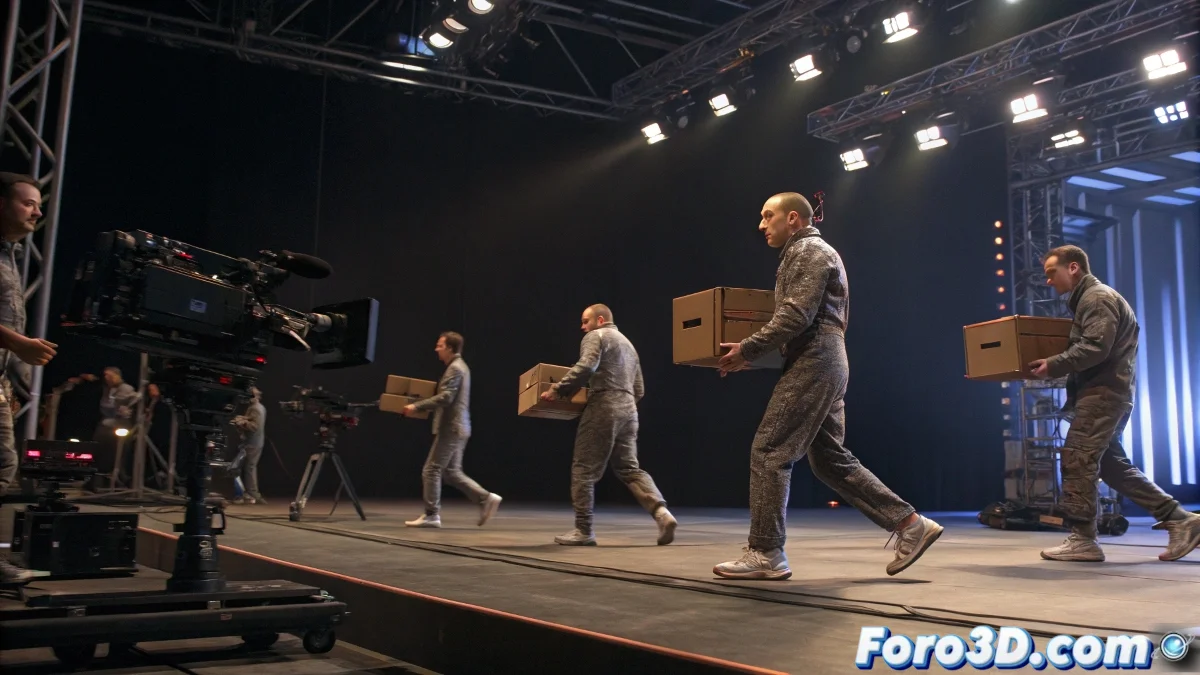
When Cloning Becomes Digital Choreography
The Splinter multiplication scene in The Boys is not just another visual effect: it is a masterpiece of technical precision that combines acting, engineering, and digital simulation in perfect sync 🎬✨. A ballet of clones where every movement was calculated to the millimeter.
The Technical Puzzle Behind the Clones
Key ingredients for this illusion:
- Motion Control: Robotic cameras for identical shots
- Double Marking: Actors with chromatic reference suits
- Digital Metronome: Absolute synchronization of movements
- Previsualization: Complete planning in Unreal Engine
Houdini: The Invisible Hero
Details that made the mitosis believable:
- Simulation of skin stretching organically
- Transition particles between clones
- Realistic muscle deformations
- Perfect integration with real lighting
"Cloning actors is easy; making them pass objects to each other in a single take is like solving a 4D Rubik's Cube." - VFX Artist from The Boys
Why This Scene is a VFX Milestone
What viewers don't see:
- 22 hours of filming for 58 seconds on screen
- 7 different takes combined digitally
- 83 tracking markers per actor
- 296 frames of simulation in Houdini
Lessons for Digital Artists
What this workflow teaches us:
- The importance of previsualization
- Choreography before post-correction
- Simulations with narrative purpose
- Extreme patience for perfect results
While the audience marvels at the obvious, VFX artists know that the real magic is in scenes like this, where technology disappears to make way for perfect illusion. And even if it doesn't win awards, every frame of this sequence is a master class in visual effects with soul. 🎩🐇