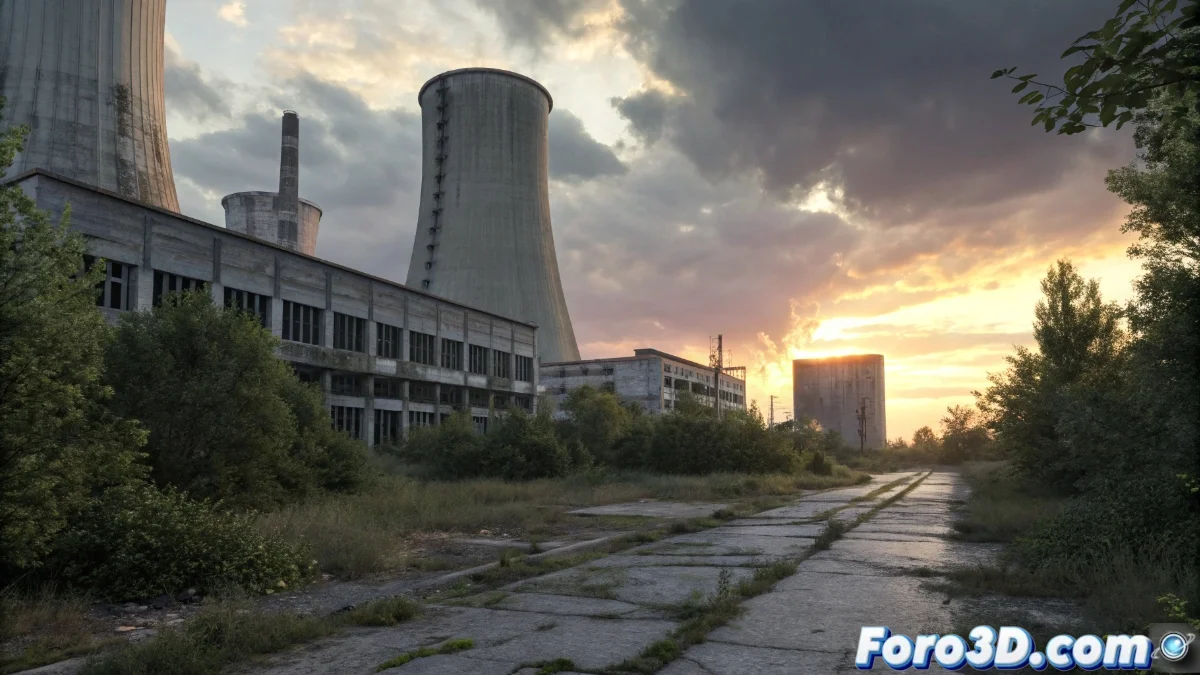
The Valdecaballeros Nuclear Power Plant: Testimony of a Frustrated Energy Era
In the heart of the province of Badajoz stands the imposing skeleton of what could have been one of Spain's most important energy facilities. The Valdecaballeros nuclear power plant remains as a silent monument to the ambitions and controversies of national energy policy during the 1980s ⚡
The Project Interrupted by the Nuclear Moratorium
The construction of Valdecaballeros was progressing at a rapid pace when the 1984 nuclear moratorium sealed its fate. At that critical moment, the first reactor showed 70% progress while the second reached 60%, positioning it among the country's most significant projects. This halt shared circumstances with other sites like Lemóniz, reflecting a radical shift in Spain's energy strategy 🏗️
Main features of the project:- Two nuclear reactors under simultaneous construction
- Multi-million dollar investment in specialized infrastructure
- Potential energy generation for thousands of homes
"The unfinished cooling towers rise like ghosts of an energy future that never materialized" - Energy policy analyst
Socioeconomic and Environmental Consequences
The halt decision had a profound impact in multiple dimensions. Local communities experienced a significant loss of jobs and development expectations, creating an economic void that would take years to overcome. At the national level, this episode intensified the debate on nuclear energy, questioning its safety and long-term sustainability 🌍
Documented effects of the halt:- Massive loss of specialized jobs
- Economic investments without immediate return
- Transformation of the landscape with abandoned structures
The Contemporary Legacy and Future Reflections
Today, the Valdecaballeros facilities attract researchers and curious visitors interested in industrial archaeology and infrastructure failures. Despite attempts at dismantling, the complex remains largely intact, symbolizing how political decisions can leave permanent marks on the territory. Its continued presence raises questions about possible reutilizations, from alternative tourism to renewable energy projects that could breathe new life into these abandoned spaces 🏭