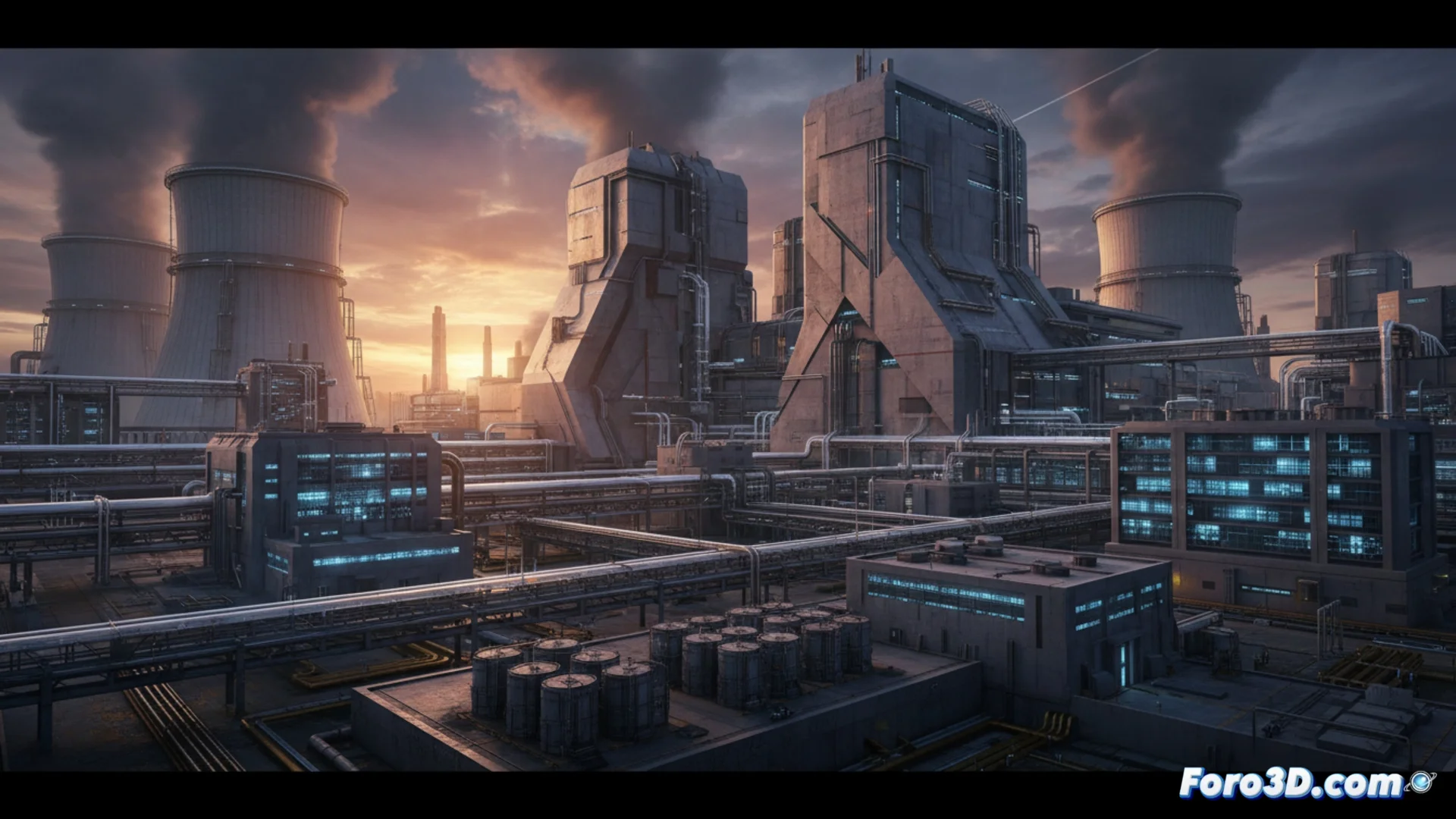
U.S. Department of Energy Boosts Integrated Nuclear Campuses
The U.S. federal government, through its Department of Energy, has launched a strategic initiative to revitalize the atomic industry. The central proposal consists of installing specialized nuclear campuses in various states, where all phases of the fuel cycle would be concentrated. This approach seeks to streamline processes and reduce bureaucratic barriers. ⚛️
A Complete Cycle in One Place
The vision of these complexes is to integrate every stage, from manufacturing and enriching nuclear fuel to operating reactors and managing the resulting waste. Additionally, these sites are expected to power large data centers. The plan aligns with the massive federal investment aimed at building a self-sufficient nuclear supply chain and deploying reactors faster.
Key phases that the campuses would integrate:- Manufacturing and enrichment of fissile material.
- Construction and operation of reactors of various designs.
- Treatment and storage of the generated radioactive waste in a secure manner.
The goal is to limit federal contribution and require solid financial guarantees so that taxpayers do not assume the risks.
Deadlines and Conditions for States
States wishing to host one of these campuses have until April 1, 2026 to submit their candidacy. In their proposals, they must specify what incentives they require to develop the complexes. However, Washington will prioritize those projects that are mainly financed with private capital and state funds, seeking to minimize its financial exposure.
Priority Selection Criteria:- Financing based on private investors and state resources.
- Presentation of robust economic guarantees by the promoters.
- A detailed plan that minimizes risk to public coffers.
The Debate on Nuclear Safety
Meanwhile, the agency has already selected several companies to test new reactor models. In a related move, it has modified certain nuclear safety regulations, softening how these facilities are regulated. This change, made discreetly, has raised alarms among some experts and watchdog groups, who fear that relaxing standards could endanger long-term safety. 🚨
While authorities argue it is necessary to innovate agilely, critics point out that concentrating the entire nuclear cycle in one site represents a high-risk strategy. For some, it is a unique opportunity to boost nuclear energy; for others, it equates to putting all resources in a "basket that glows in the dark," with the inherent dangers that entails.