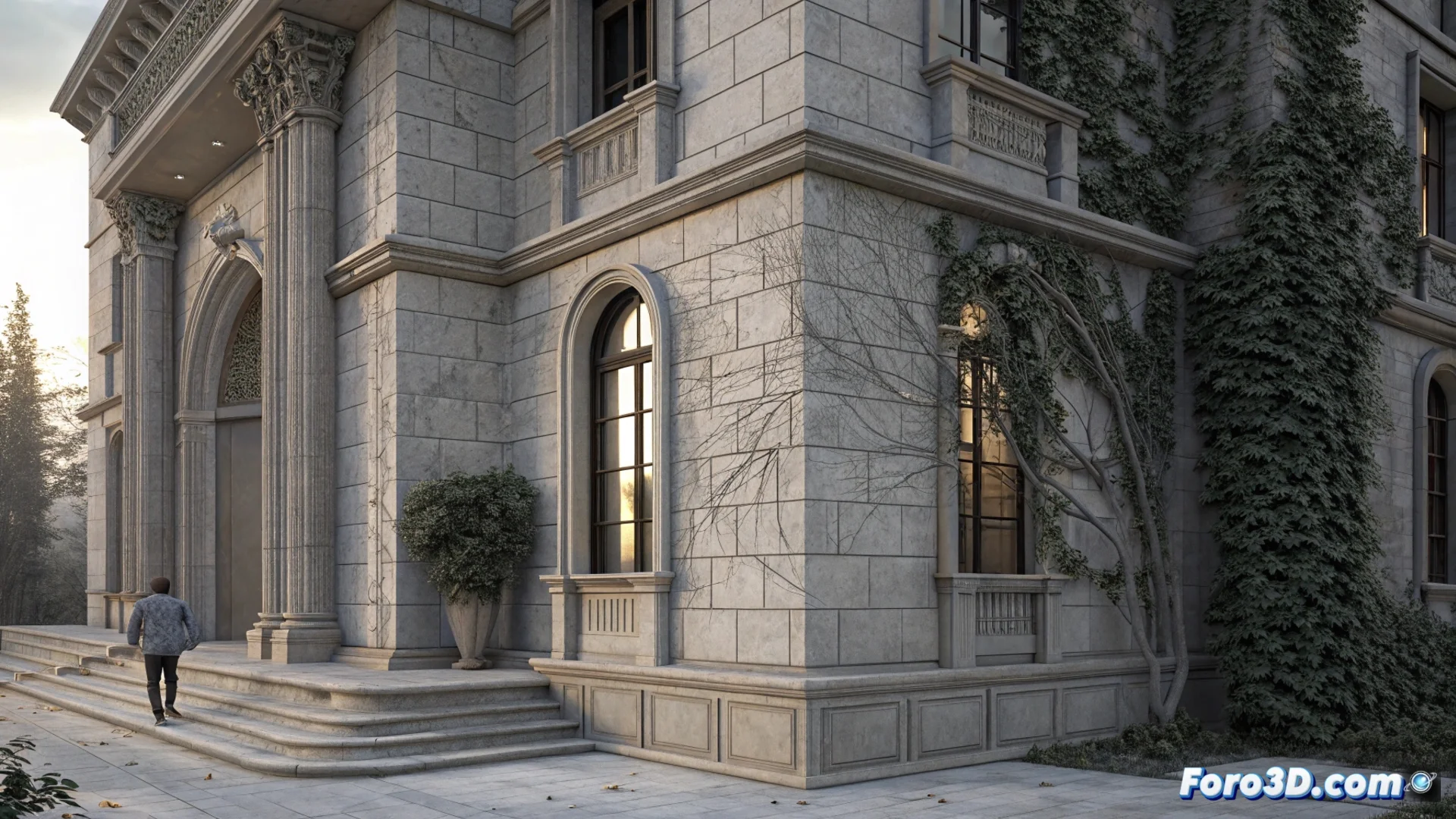
The Unease of Imperfect Symmetry in Digital Graphics
A pattern that reflects itself exactly conveys order and predictability. However, when this visual mirror presents subtle flaws—an altered curve, a mismatched tone—the expectation of perfection is broken. This near symmetry produces a more unsettling effect than evident chaos, because it suggests an error in a system that promised to be flawless. 🌀
Why the Brain is Disturbed by the Almost Perfect
The human mind processes symmetry efficiently, linking it to ideas of balance. When encountering a nearly symmetric pattern, it first recognizes the ordered structure and then detects the anomalies. This two-step process creates cognitive dissonance. It is not chaos, but an order that corrupts. A minimal imperfection acts as a visual glitch, persistently capturing attention and evoking a strangeness similar to observing something almost human, but not quite.
Elements that generate this visual tension:- Slight geometric deformations: A curve or angle slightly different in one of the halves.
- Subtle chromatic variations: A tone, saturation, or color value that does not match perfectly.
- Missing or added elements: A detail missing in the reflection or one that appears without its counterpart.
The subtle imperfection in a symmetric pattern acts as a glitch in a visual matrix, persistently capturing attention.
Implementing Imperfect Symmetry in 3D and Shaders
In computer graphics, you can use this principle to give character and narrative to your scenes. Instead of applying a perfect symmetric reflection to a model or environment, introduce controlled and minimal variations. The goal is not to create evident asymmetry, but a symmetry that fails in attempting to be absolute.
Technical methods to apply it:- Duplicate and deform: Reflect a geometry and then apply smooth noise or a slight transformation only to one half.
- Modify UV maps: Slightly alter the texture assignment in a specific area to break the exact correspondence.
- Adjust material properties: Subtly vary parameters like reflectivity, glossiness, or emission color between sides.
The Narrative Power of the Imperfect
Applying this concept suggests stories of wear, manufacturing errors, or slightly distorted realities. It adds visual depth and avoids making digital environments seem sterile or artificially perfect. Perhaps that's why we look at ourselves in the mirror, seeking a perfect reflection that, fortunately, we never find, which makes us unique. In digital art, exploiting this tension between the ordered and the flawed is a powerful tool to connect with the viewer on a subconscious level. 🔍