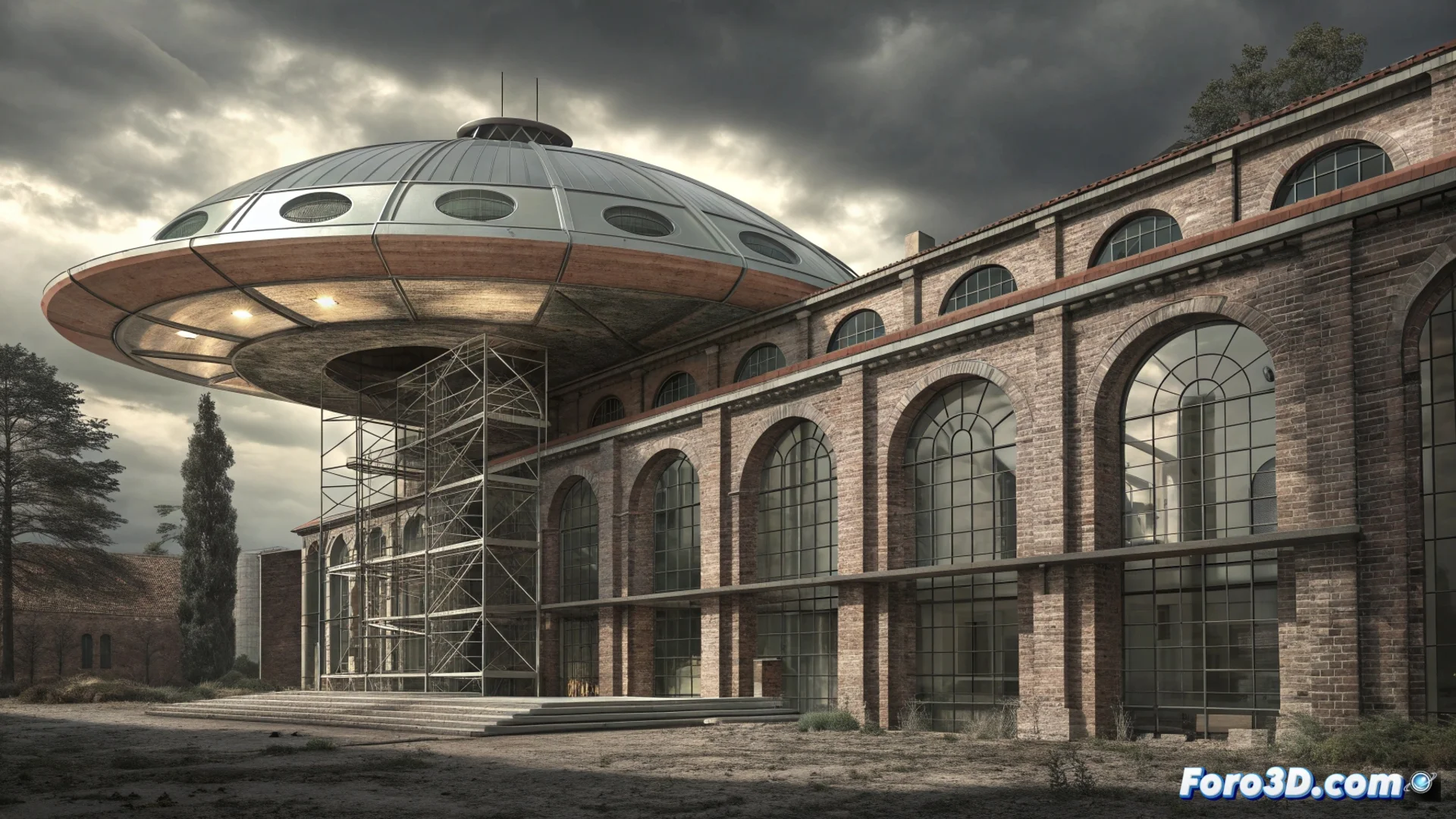
The UFO of the Prado: when public debate redesigned a Moneo project
In the process of expanding the Prado Museum, architect Rafael Moneo proposed a lantern to cover the Jerónimos cloister. Its design, with an organic shape built in brick and glass, clashed visually with the solemnity of the surroundings. This structure was soon dubbed by the press and the public as the UFO, a name that foreshadowed the storm of opinions it would unleash. 🛸
The controversy that halted a construction
The core of the conflict lay in how a contemporary intervention should integrate into a top-tier heritage context. Architecture critics and sectors of the public argued that the project was excessively disruptive. Media and political pressure escalated to the point where the authorities decided to halt the construction completely. This unusual event forced Moneo and his team to rethink the entire solution from scratch.
Consequences of halting the original project:- The execution of the organic UFO-shaped design was abandoned.
- A review process was initiated to seek a consensual alternative.
- The final result was a much more discreet and functional lantern than initially planned.
Perhaps the true alien was not the shape of the lantern, but the idea that something new could land in such a classic place without all the alarms going off.
A remnant of what could have been
The episode of the UFO of the Prado left a deep mark on the history of the museum's expansion. It became a case study on the limits of architectural innovation in historic sites. Moneo's initial proposal survives only in plans, models, and photographs, as a testament to an alternative architectural future that never materialized.
Legacy of the unbuilt project:- It illustrates the permanent tension between preserving heritage and proposing new architecture.
- It shows the power of public debate to alter the work of a renowned architect.
- It leaves a reflection on the cost of always opting for the most conservative solution.
Balance between memory and innovation
Ultimately, the Jerónimos cloister was covered with a structure that goes almost unnoticed. However, the shadow of the UFO persists, reminding us that there was a moment when a bolder intervention was imagined. This event underscores that building on a historic icon involves navigating not only between materials and forms, but also between the weight of collective memory and the desire to look forward. 🏛️➡️🚀