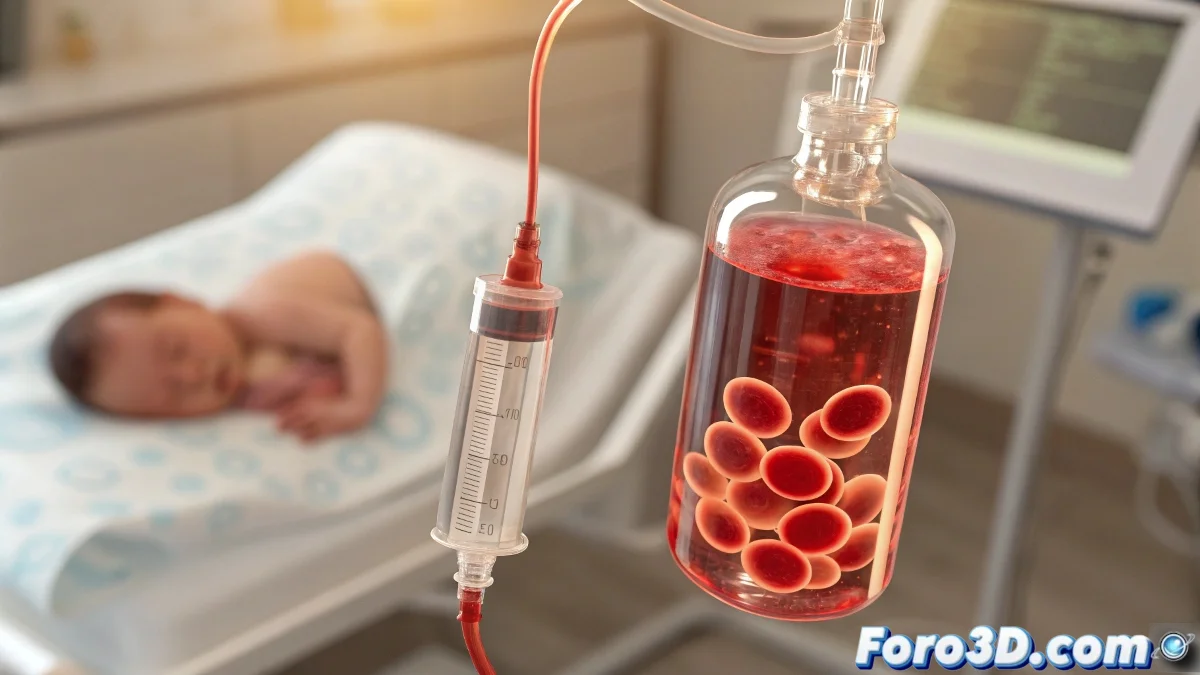
The Stem Cell Bank: Biological Insurance or Questionable Expense?
When a baby is born, parents face a peculiar decision: should they store the umbilical cord blood as if it were biological insurance? 🏦 The promise is tempting - stem cells ready for any eventuality - but the reality is more complex than a medical brochure.
"Storing stem cells is like buying a fire extinguisher for a meteorite: it's reassuring, but the chances of using it are astronomical"
The Numbers No One Tells You
Statistics reveal little-known facts about these banks:
- Less than 0.04% of stored samples are actually used
- The average storage cost exceeds €2,000 every 20 years
- 75% of current treatments use cells from donors, not one's own
As grandparents would say: "It's expensive to keep hopes in the freezer." ❄️
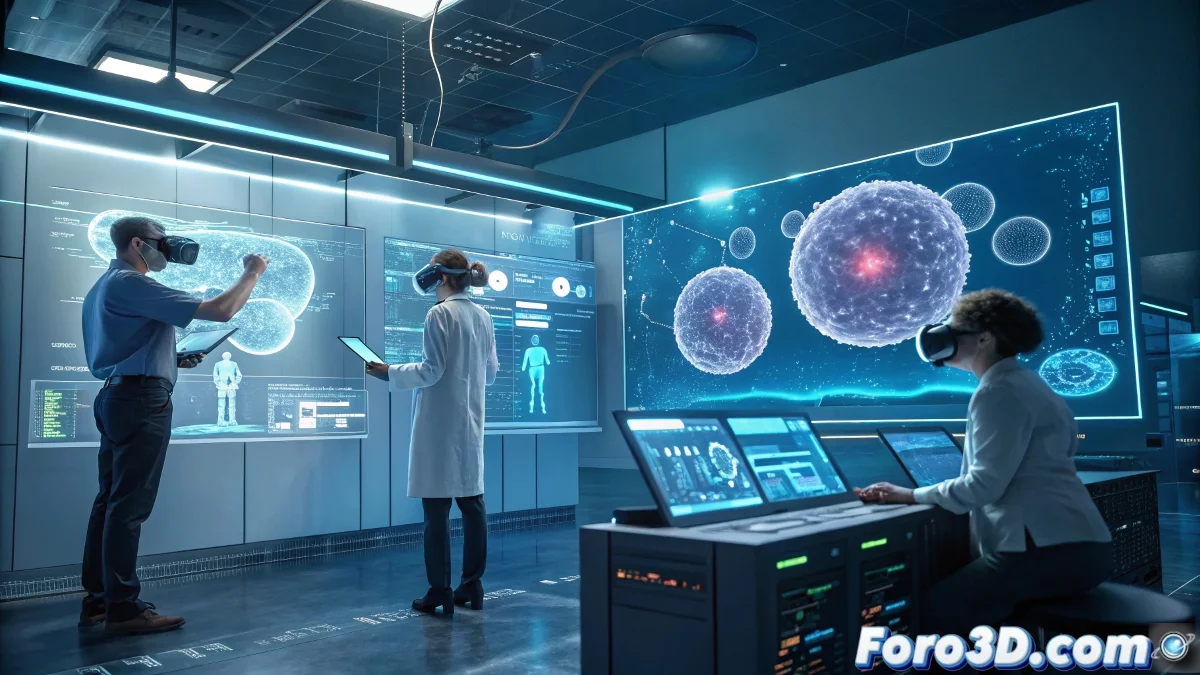
When Design Explains Science
This is where creatives can make a difference:
- Infographics that show the real applications of these cells
- 3D Animations explaining the extraction and storage process
- Virtual Reality to virtually tour a cell bank
Good design can prevent parents from making decisions based on fear rather than science.
Uncomfortable Questions You Should Ask
Before signing any contract, it's wise to question:
- What diseases can actually be treated with these cells?
- What is the real success rate of the treatments?
- Are there more economical and effective alternatives?
In the end, the decision is personal, but it's better made with your feet on the ground than your head in the clouds. And if someone pressures you, remember: even biological banks have fine print. 😉