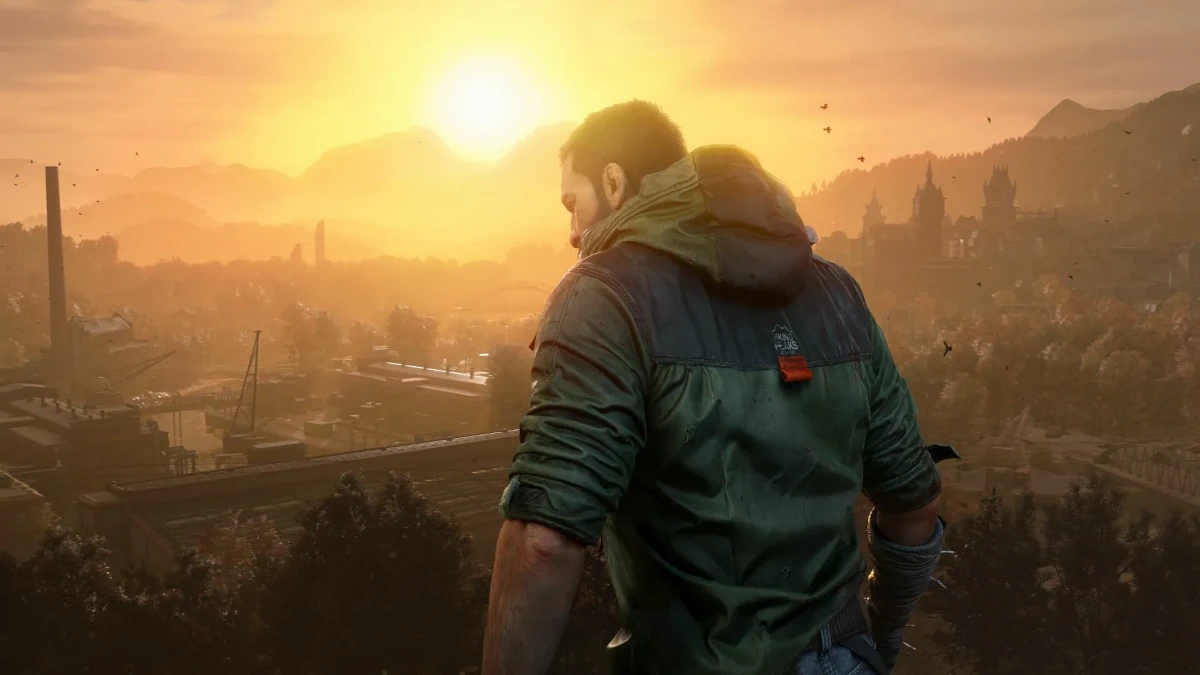
Since its launch, Dying Light has established itself as one of the most representative franchises in the open-world survival genre. With a proposal that combines action, parkour, and a world invaded by hostile creatures, this title has managed to remain relevant over time. But how has it evolved and what is expected of its future?
The Beginnings of an Unforgettable Franchise
When the game debuted, it surprised the community with its dynamic approach and a fluid movement system that allowed traversing the city with great freedom. The survival mechanics were not only based on fighting the infected, but also on resource management and strategic decision-making to survive in a hostile environment.
Elements That Defined Its Success
The game's impact was no accident, but the result of solid and well-executed design. Among its most outstanding features are:
- Vertical exploration: the parkour system allowed players to move fluidly through ruined buildings and streets.
- Day and night cycle: the creatures became more aggressive as the sun set, increasing tension and forcing strategy adaptation.
- Visceral combat: the use of improvised weapons and the ability to customize them added a strategic touch to enemy confrontations.
A World in Constant Expansion
After the success of the first installment, the developer decided to expand its universe. The arrival of its sequel brought graphic improvements, a larger world, and a story with multiple paths. However, not everything was a hit, as some players felt that certain changes affected the essence of the original game.
The Technological Evolution Behind the Game
One of the most notable advances in the sequel was the implementation of a new graphics engine that allowed for greater detail in environments, more realistic lighting, and more complex interaction mechanics. These improvements reinforced the sense of immersion and increased the scale of the explorable world.
"A game is not only defined by its gameplay, but by its ability to evolve without losing its essence."
The Future of the Franchise
As technology advances, developers seek new ways to enrich the gaming experience. With rumors about upcoming projects and the possibility of a new installment, the future of Dying Light looks promising. Fans expect innovations that respect the game's identity, maintaining the essence that made it stand out at its debut.
Challenges and Expectations
For the saga to continue its success, it is essential to maintain the balance between novelty and tradition. Among the key aspects to improve, the following stand out:
- Greater narrative depth: decisions that truly affect the story's development.
- Open-world expansion: with more variety of scenarios and dynamic challenges.
- Combat system optimization: offering new mechanics without losing the game's characteristic brutality.
Conclusion: A Saga in Constant Motion
Over the years, Dying Light has proven to be more than just a zombie game. Its combination of exploration, combat, and survival has created a unique experience that continues to evolve. The key to its success lies in its ability to adapt without forgetting its roots, and that is what players expect from its future.