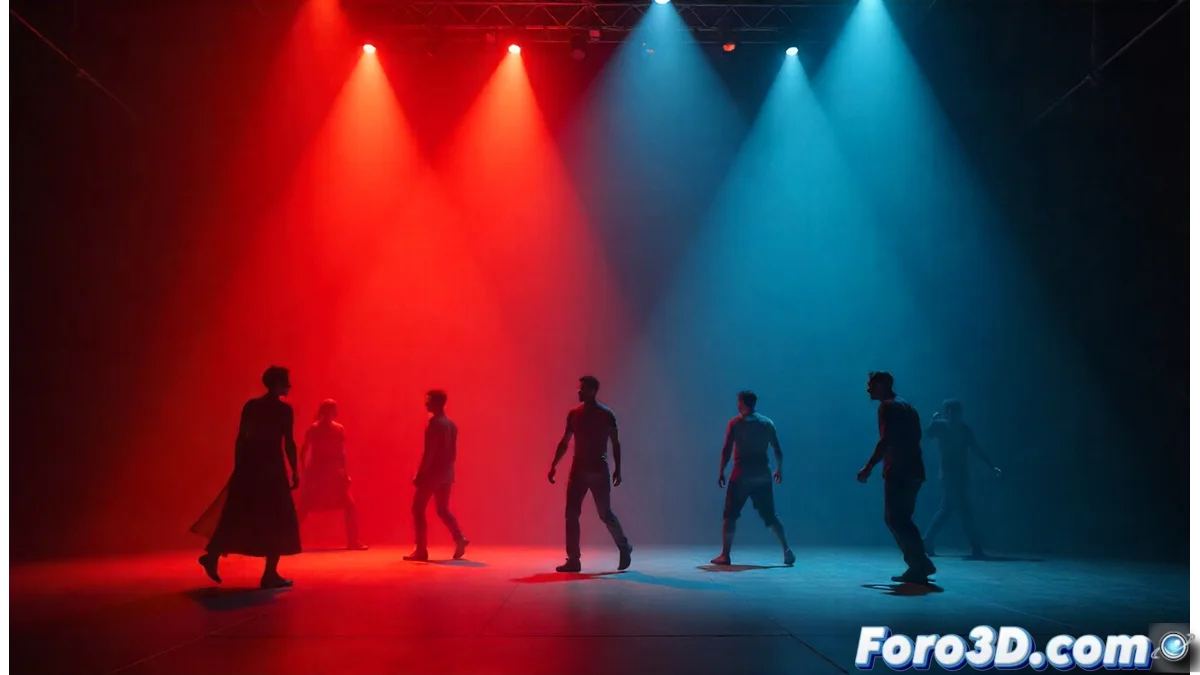
The theatrical fixed camera technique: when limitation becomes creativity
The theatrical fixed camera technique represents a cinematic approach where the camera remains completely static throughout the entire sequence, creating a unique visual experience that transforms technical limitations into creative opportunities. This methodology forces filmmakers to explore new forms of visual expression through fundamental elements such as scenic composition and spatial narrative. 🎭
Fundamental pillars of static expressiveness
The effectiveness of this artistic approach depends entirely on the expert handling of three essential components that interact within the immobile visual frame. The staging must meticulously organize all elements within the frame to direct the viewer's attention and communicate profound meanings. The lighting takes on a starring role, transforming into a narrative element capable of altering atmospheres, emphasizing emotional states, and creating evolving environments. The acting reaches a special dimension where performers must compensate for the lack of camera movement with precise gestures and purposeful displacements.
Key elements for a successful scene:- Carefully planned visual composition that guides the viewer's gaze
- Dynamic lighting that modifies the perception of space and emotions
- Expressive acting that fills the static frame with life and meaning
True mastery in cinema and theater sometimes consists of knowing which elements to keep static to enhance those that must move
Practical applications in different media
In the field of animation, this technique allows concentrating creative and technical resources on the exhaustive development of characters and detailed settings, generating sequences of great visual impact with less complexity in camera movement. For filmed theater, it constitutes an elegant solution that preserves the essence of the traditional theatrical experience while maintaining the audience's seat perspective. The main challenge lies in sustaining visual interest through dynamic compositions that evolve within the same frame, strategically using character entrances and exits, lighting variations, and progressive set transformations.
Creative advantages of the fixed camera:- Focused concentration on character development and scenography
- Preservation of traditional theatrical perspective in filmed productions
- Optimization of technical and creative resources
The art of creative persuasion
Those who master this cinematographic technique discover that sometimes less means more in terms of narrative impact, although explaining this philosophy to producers who question why the camera remains immobile for extended periods can become a true exercise in theatrical persuasion. The fixed camera does not represent a limitation, but an aesthetic choice that enhances other narrative and visual elements, demonstrating that the true magic of cinema and theater often lies in what happens within the frame, not in how it moves around it. ✨