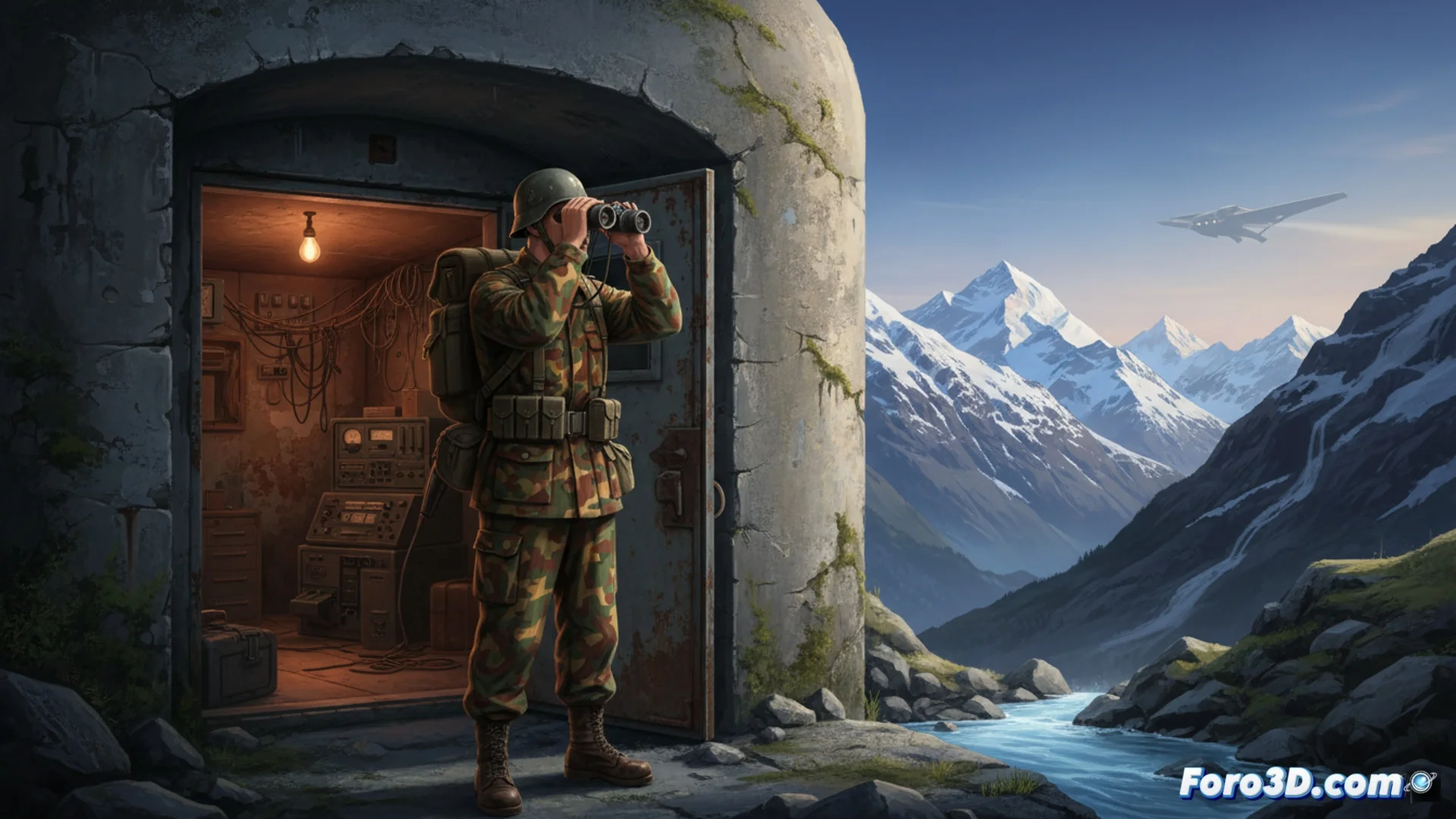
The Swiss army faces critical vulnerabilities in an unstable world
Switzerland's historic neutrality and compulsory military service clash with an uncomfortable reality: its defense force exhibits serious operational deficiencies in an increasingly volatile geopolitical context. Although it can deploy many troops and boasts alpine fortifications, its arsenal suffers from significant shortcomings that leave it exposed to contemporary threats. 🛡️
An arsenal that does not meet current needs
The Helvetic military capacity is limited by obsolete or insufficient equipment. It lacks sufficient weapons, ammunition for prolonged operations, and modern communication systems. The most alarming point is the absence of an effective and indigenous air defense, which leaves its airspace practically unprotected. This scenario differs greatly from the traditional conflict scenarios it was trained for, now being vulnerable to long-range precision attacks or hybrid tactics. 🚨
Main identified shortcomings:- Air defense: Very limited capacity to detect and neutralize modern aerial threats.
- Logistics and ammunition: Stocks of projectiles and spare parts below what's necessary for an extended conflict.
- Command and control: Communication systems that urgently need updating to coordinate mobilized forces.
Military authorities warn of a "window of vulnerability" that would open between 2027 and 2030 if action is not taken swiftly.
A defense budget that falls short
While neighboring countries in Europe increase their military spending following the war in Ukraine, Switzerland plans a modest increase until 2032. This financial decision means the country relies heavily on the security provided by its allies. The warning from military commanders about the approaching critical period has generated internal political pressure to invest more and adapt national defense, without transgressing the principle of neutrality. 💰
Factors straining the budget:- Late investment: The modernization of key capabilities is delayed, bringing closer the "window of vulnerability".
- Strategic dependence: National security increasingly depends on the indirect protection of neighboring powers.
- Internal debate: There is tension between those who want to maintain the status quo and those who demand strengthening military self-sufficiency.
The dilemma of modernizing without losing identity
The debate in Switzerland focuses on how to close this capability gap without drastically altering its traditional defense doctrine. It is necessary to acquire new systems, replenish stockpiles, and improve communications so that the mobilizable force can operate effectively. Time is pressing, and the decisions of the coming years will determine whether the country can maintain its security autonomously or if its neutrality will increasingly depend on others. Switzerland's famous preparedness, with its air raid shelters, now must compete with the obsolescence of its arsenal, reminding us that even the strictest neutrality needs modern tools to defend itself. ⏳