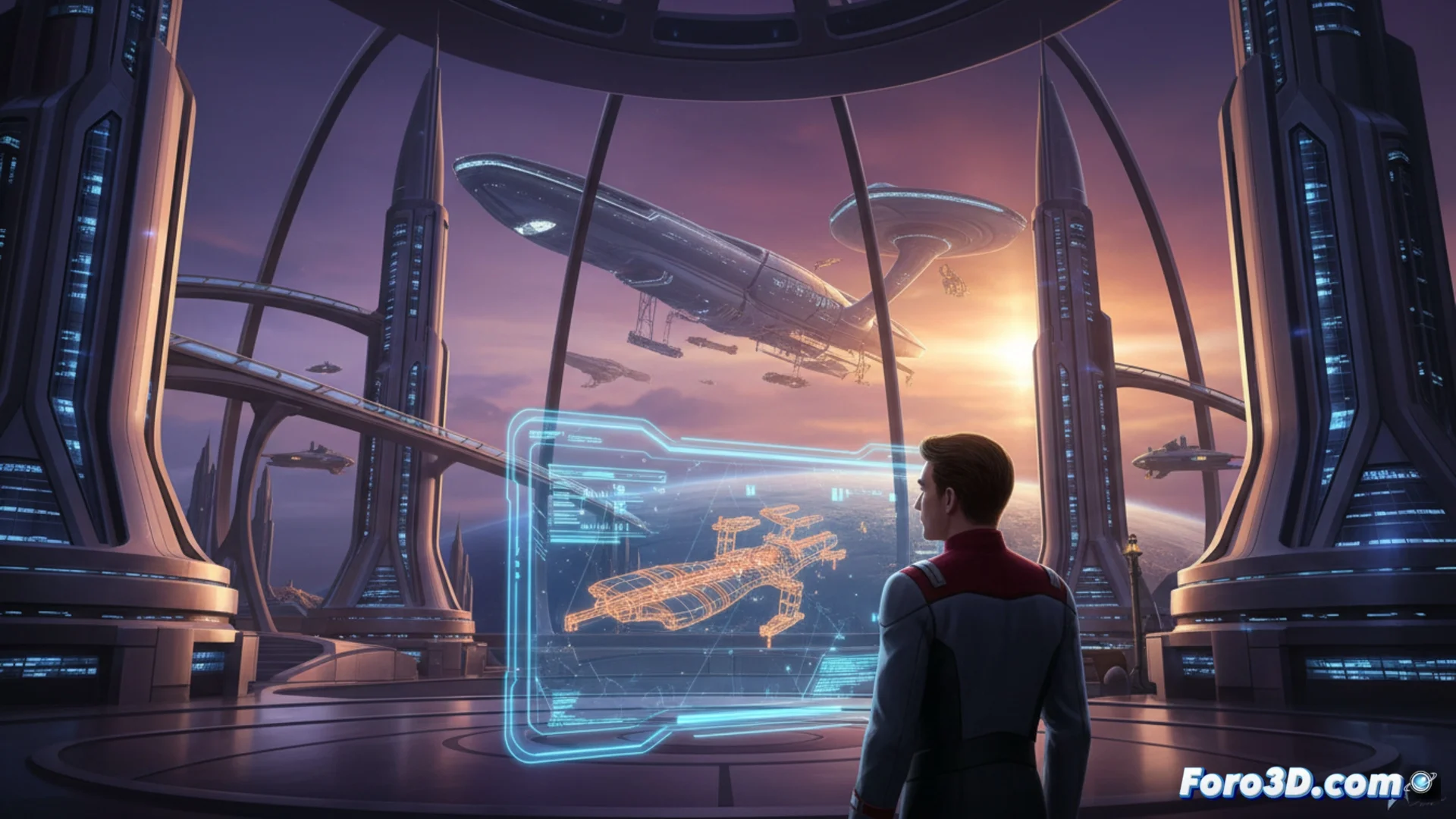
The Star Trek Starfleet Academy Series and Its Visual Effects Production
The new installment of the saga, Starfleet Academy, is being filmed at studios in Vancouver and relies heavily on computer-generated visual effects. A specialized team works to blend digital elements such as starships, alien planets, and advanced technology with footage shot with real actors. To achieve this, they use the most common software tools in the film and television industry. Coordination with directors of photography and set designers is constant to ensure the visual result is faithful to the Star Trek universe. 🚀
Organizing the Workflow for Digital Effects
The method for including VFX begins when scenes that need them are identified. First, simple previsualization animations are created to design the most complex shots. Then, 3D modelers build the digital assets, from starships to buildings. Next, other experts handle texturing and shading those models, giving them color and materials. The next step involves setting up virtual lighting and rendering, so that the digital light matches the filmed one. The cycle ends when the compositors unite all the layers and generate the final image that the audience will see.
Key Phases in VFX Creation:- Identify and Plan: Decide which sequences require effects and sketch the shots with basic animations.
- Build and Dress: Model objects in 3D and then apply textures, colors, and material properties to them.
- Light and Merge: Adjust digital light to match the real footage and combine all elements in the final composition.
VFX artists are the ultimate pilots, handling every pixel spaceship from their workstations, without the danger of crashing into digital obstacles.
Overcoming Technical Challenges in Production
One of the most complex goals is to preserve continuity with previous Star Trek series and movies, especially in terms of iconic starships. Artists must recreate or modernize those designs while respecting their original essence. Another major challenge is populating the Academy with crowds of digital cadets. This requires simulating clothing, natural movements, and creating believable variations in background characters. Additionally, the series features space and energy phenomena that demand fluid and particle simulations to achieve a realistic and organic look.
Specific Project Challenges:- Fidelity to the Legacy: Update iconic starships without losing their recognizable visual identity.
- Digital Population: Generate large numbers of cadets as extras, with believable clothing and animations.
- Space Phenomena: Create realistic simulations of energy, explosions, and interstellar environments using complex dynamics.
The Art Behind the Final Illusion
In summary, producing Starfleet Academy is a collective effort where VFX technology plays a starring role. From modeling every detail of a starship to simulating the energy of a warp engine, every step seeks visual immersion and coherence. While the cadets on screen learn to fly, it is these digital artists who, with precision and creativity, bring every space mission to life and build the futuristic universe that defines Star Trek. ✨