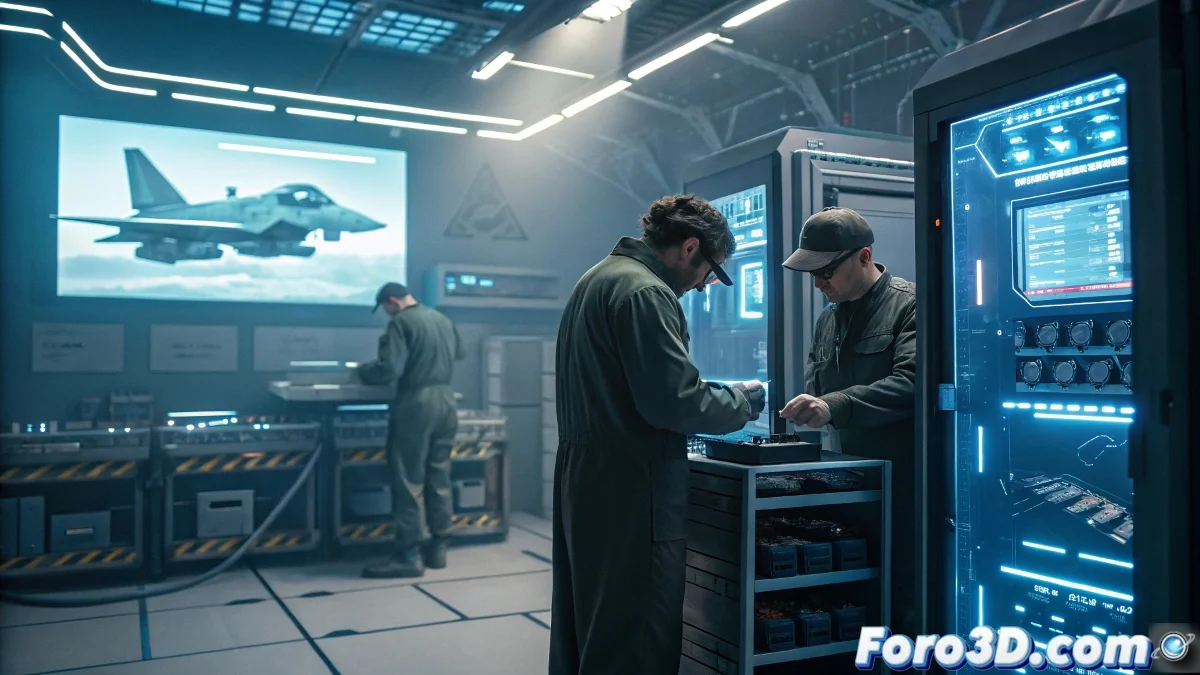
The Small Lab That Saved the F-35: Innovation in 3D Printing
In a corner of the Fleet Readiness Center East (FRCE), a team of just two people achieved a feat for the F-35 aircraft fleet: manufacturing 2,000 O-ring installation tools in just a few days using 3D printing. This quick win not only solved a critical problem but also demonstrated the power of additive manufacturing to respond agilely to the needs of military aviation. And no, you don't need to be an aviation expert to appreciate this feat! ✈️
From Six Months to Less Than Two Weeks
The original order, from the F-35 Joint Program Office, would have taken half a year using traditional methods. But thanks to digital light processing (DLP) technology, which solidifies resins with ultraviolet light, the FRCE's Innovation Lab completed the task in less than 10% of the estimated time. The result is tools ready for all three F-35 models and delivered to the Navy, Marine Corps, Air Force, and foreign allies.
A Swift Response with Real Impact
According to Randall Lewis, leader of the ATI team (Advanced Technology and Innovation), this rapid solution validates the lab's mission as the Fleet Readiness Centers Command's Center of Excellence in Additive Manufacturing.
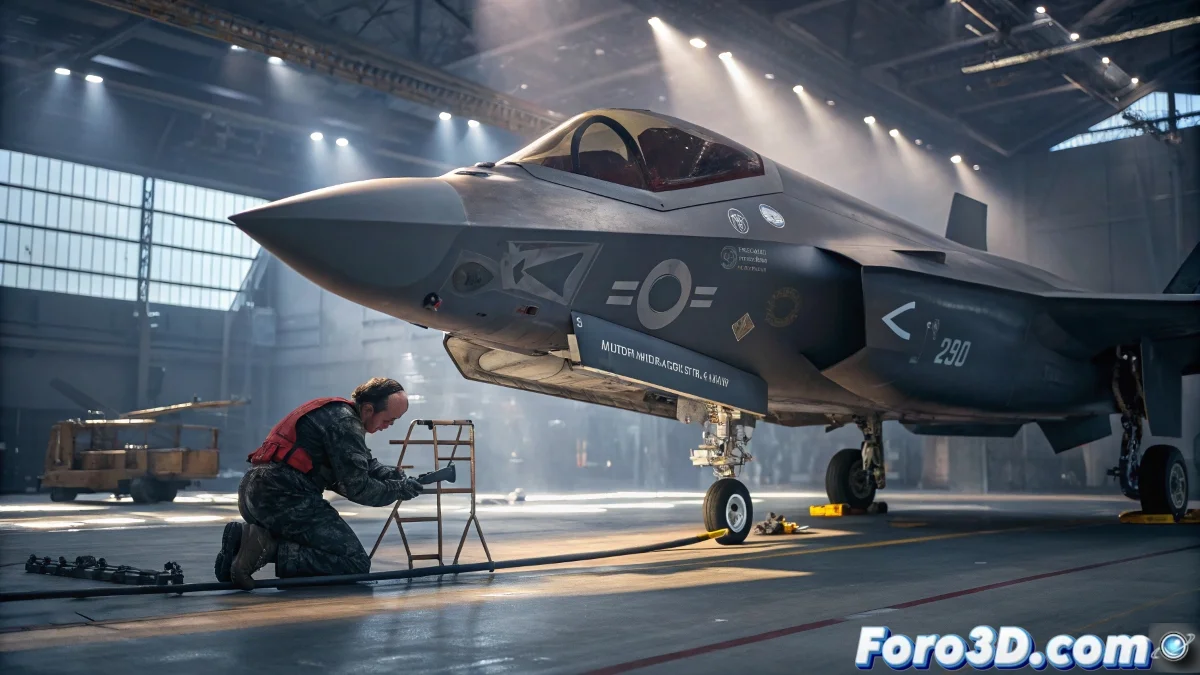
Production on a Military Scale
Jeremy Bunting, the lab's chief engineer, and technician Ken Murphy acted immediately. They chose DLP for its efficiency: while a traditional 3D printer takes hours to produce pieces one by one, DLP cures entire layers of up to 60 pieces in just one hour and fifteen minutes. Thus, they completed the order of 2,000 pieces, nearly matching the lab's total production for the entire fiscal year.
From Innovative to Routine
Although the scale was unusual, Bunting emphasizes that this type of rapid response is part of the lab's daily routine. What we're aiming for now is for additive manufacturing to become boring, he said with a laugh. His goal is for this type of printing to be as common as metalwork or traditional machining at FRC East.
The Future Is Already Here
For Robert Lessel, chief engineer of the Fleet Readiness Centers Command, these initiatives accelerate the capability, readiness, and effectiveness of naval aviation.
Much more than a lab. The FRCE is not just any workshop; with over 4,000 workers and more than a billion dollars in annual revenue, it is North Carolina's largest maintenance and repair facility. And its Innovation Lab is leading a paradigm shift, making 3D printing as normal a resource as any other, but with results that make a difference for those in the air. So get ready to see more innovations like this! 🚀
With this innovation, the small FRCE lab has demonstrated the significant impact of 3D printing on military aviation. And remember, if something doesn't go as expected, you can always blame the technology! 😉