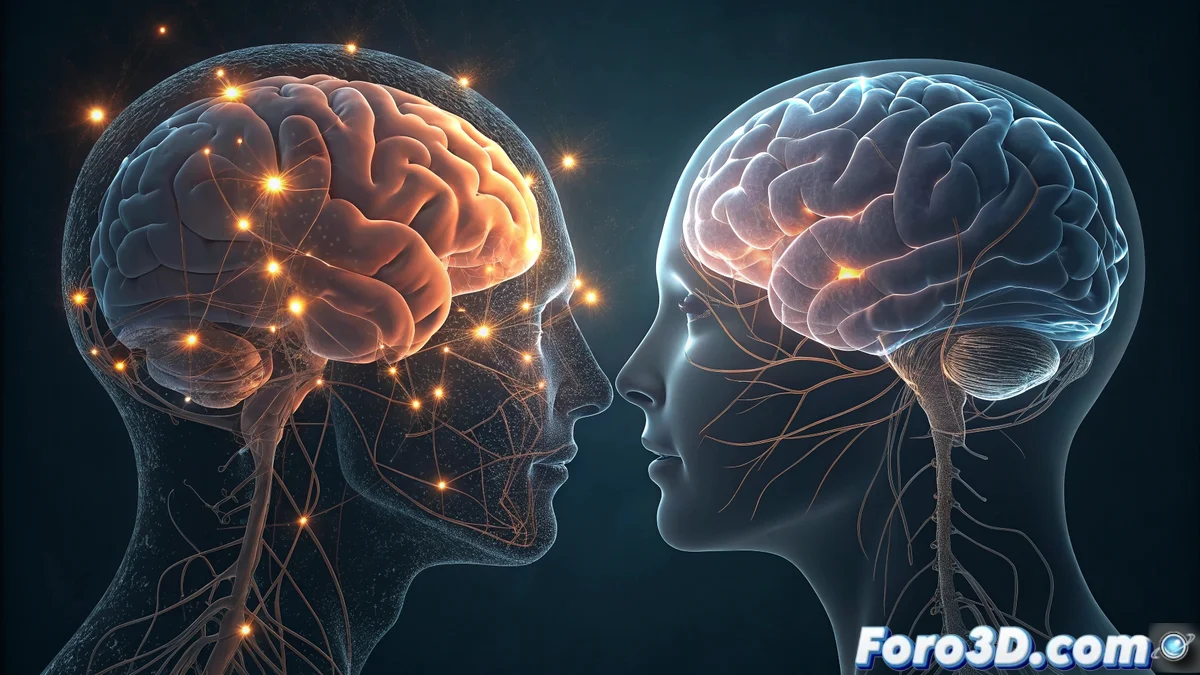
The Singularity of Pain as a Personal Experience
Pain constitutes a profoundly individual experience where each human being processes discomfort signals in a unique way, shaped by genetic, emotional, cultural components, and previous experiences. It is impossible to find two people who experience the identical painful sensation in response to the same stimulus, invalidating any attempt at objective comparison between different individuals. 🔬
Neuroscientific Bases of Pain Perception
Research using neuroimaging techniques reveals absolutely distinctive brain patterns that validate this individual variability in pain processing. When we witness others' suffering, our brain activates similar regions to those stimulated during our own painful experience, although this activation is always partial and limited.
Key Findings in Neuroscience:- Functional magnetic resonance imaging shows specific neuronal circuits for each person
- Empathy activates similar but not identical brain regions to one's own pain
- Each brain interprets and modulates pain signals in a particular way
"Although we all talk about pain as a universal experience, each individual has their own personalized and non-transferable version, comparable to a tailor-made suit that cannot be adapted to another person."
Clinical Evaluation and Its Inherent Limitations
Healthcare professionals use subjective scales and clinical observation to assess pain, recognizing the fundamental limitations of any current measurement system. This understanding has driven the development of personalized approaches in pain management, specifically tailored to the unique characteristics of each patient.
Characteristics of Pain Assessment:- Subjective scales predominate in routine clinical practice
- Impossibility of directly transferring or comparing experiences between people
- Need for individualized therapeutic approaches
Implications for Treatment and Human Understanding
This neuroscientific understanding radically transforms our approach to human suffering, emphasizing that although we can empathize with others' pain, we never experience it with the full intensity of the affected person. The singularity of each painful experience represents a constant challenge for medicine and an opportunity to develop more precise and humane interventions. 💡