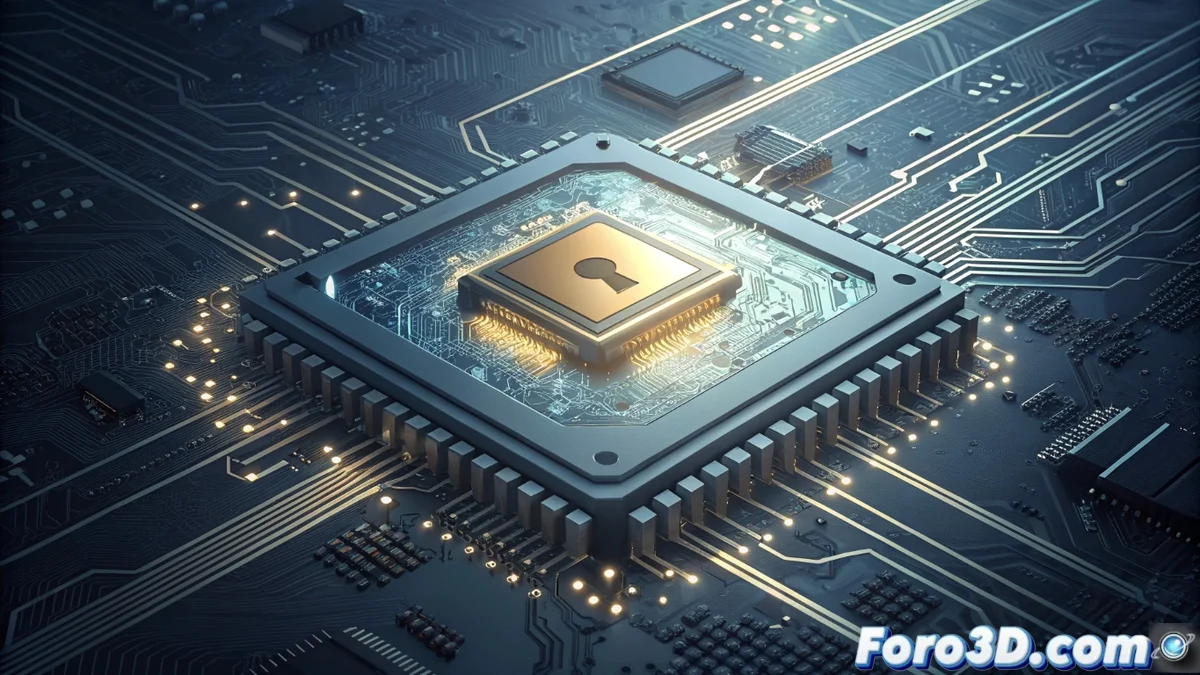
The Security Coprocessor: The Hardware Guardian in Your Device
In modern system architectures, a specialized component works in the shadows: the security coprocessor. This is a dedicated physical chip integrated directly into the main hardware. Its mission is to manage critical tasks in isolation, protecting the most sensitive information out of reach of the main operating system and malicious software. 🛡️
The Principle of Physical Isolation
The effectiveness of this guardian lies in its independent design. It has its own core for execution, reserved memory, and exclusive resources. This physical separation is fundamental. The central processor cannot directly access its protected areas; all communication passes through defined and strictly controlled channels. This model operates like a safe within the device, where elements such as cryptographic keys or biometric data are stored and processed.
Key features of its operation:- Isolated execution: Runs in a separate environment, creating an impenetrable barrier against software attacks.
- Secure communication: Only interacts with the main system through specific and validated interfaces.
- Boot verification: During startup, it checks each stage of the process to ensure that the firmware and operating system are legitimate and have not been altered.
Its success is measured by how little its presence is perceived during normal use, but it becomes the most crucial component when something goes wrong.
What Tasks Does This Hardware Protect?
Its role goes beyond just storing data. It is an active element that executes sensitive operations locally and securely, avoiding reliance on external or cloud resources that could be vulnerable.
Main functions it performs:- Guard and process encryption keys: Handles the keys that encrypt the device's internal storage, keeping them always safe within its isolated environment.
- Manage biometric data: In devices with fingerprint readers or facial recognition, it processes and stores this data locally. This allows quick and private user authentication without sending biometric information to external servers.
- Secure the boot chain: Monitors the startup process to block any attempt to load compromised code seeking to take control of the device from the beginning.
The Paradox of the Invisible Guardian
The irony of this component is that, although it is designed to be invisible and imperceptible to the end user, its work is constantly active. It enhances the overall integrity of the device precisely because it acts as a last bastion of defense in the hardware. When everything works well, its existence goes unnoticed; but it is the first and strongest line of defense when the system's security is threatened. Its value lies in this proactive and silent protection integrated directly into the silicon. 🔒