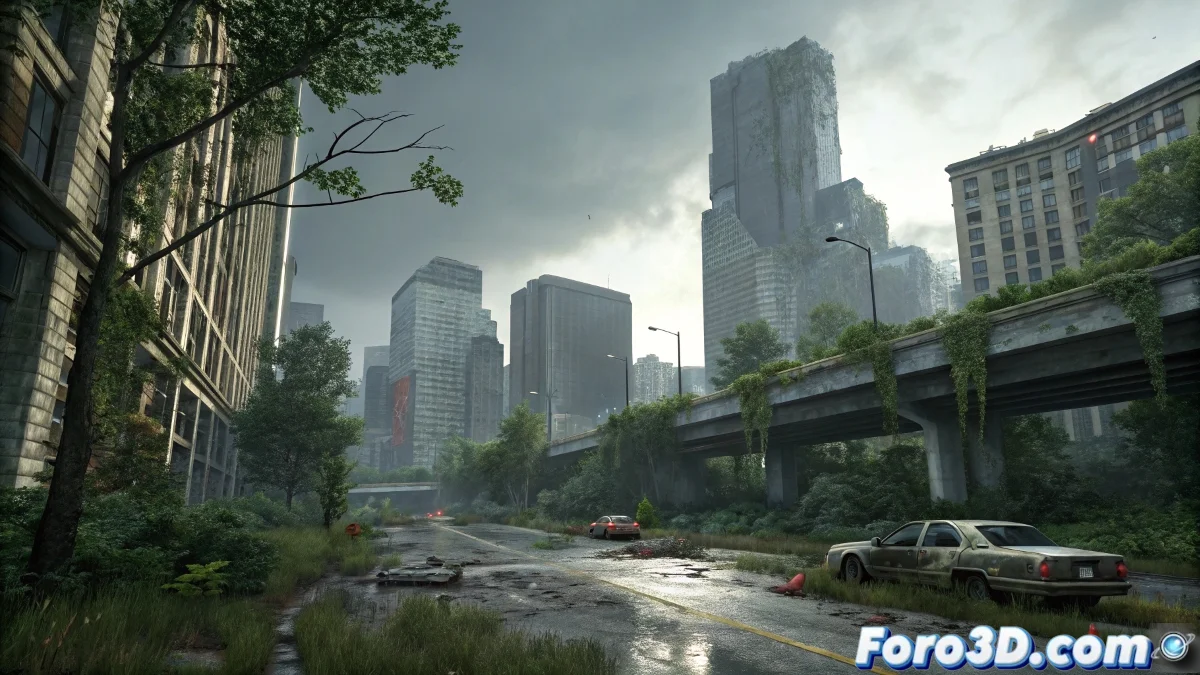
The Digital Art of the Apocalypse: How DNEG Reinvented The Last of Us
When the world ends on screen, DNEG does it with cinematic style and a level of detail that would make a Cordyceps fungus cry 🍄😢. The second season of The Last of Us raised the bar for VFX, combining visual chaos and emotional narrative.
Engineering of Destruction
DNEG turned cities into digital skeletons with:
- Houdini for structural collapse simulations
- Maya/ZBrush for hyper-detailed ruin models
- Substance 3D texturing every crack and rust
- Photogrammetry of real locations as a base
The Perfect Storm
When nature becomes the antagonist:
- Fluid simulations for destructive waves
- Particle systems for rain and debris
- Vegetation dynamics for collapsing trees
- Arnold render with atmospheric lighting
"Every digital raindrop in The Last of Us has dramatic motivation. It's not just technology, it's rain that tells a story." - DNEG VFX Artist
Technology in Service of Emotion
The true power of these VFX:
- Environments that amplify narrative tension
- Progressive destruction as a visual metaphor
- Nuke compositing integrating practical elements
- Detail hierarchy that guides the gaze
Lessons for 3D Artists
What we can learn from this project:
- The importance of real references
- How to scale complexity without losing narrative
- Balance between simulation and artistic control
- Perfect integration between practical and digital
And although DNEG makes the end of the world look incredible, perhaps the most impressive thing is how they achieved that no one wonders 'Is this real or VFX?'... except us, the technical geeks who analyze every frame. 🎬💻 An achievement that demonstrates that in VFX, when the technique disappears behind the emotion, that's when the magic really works.