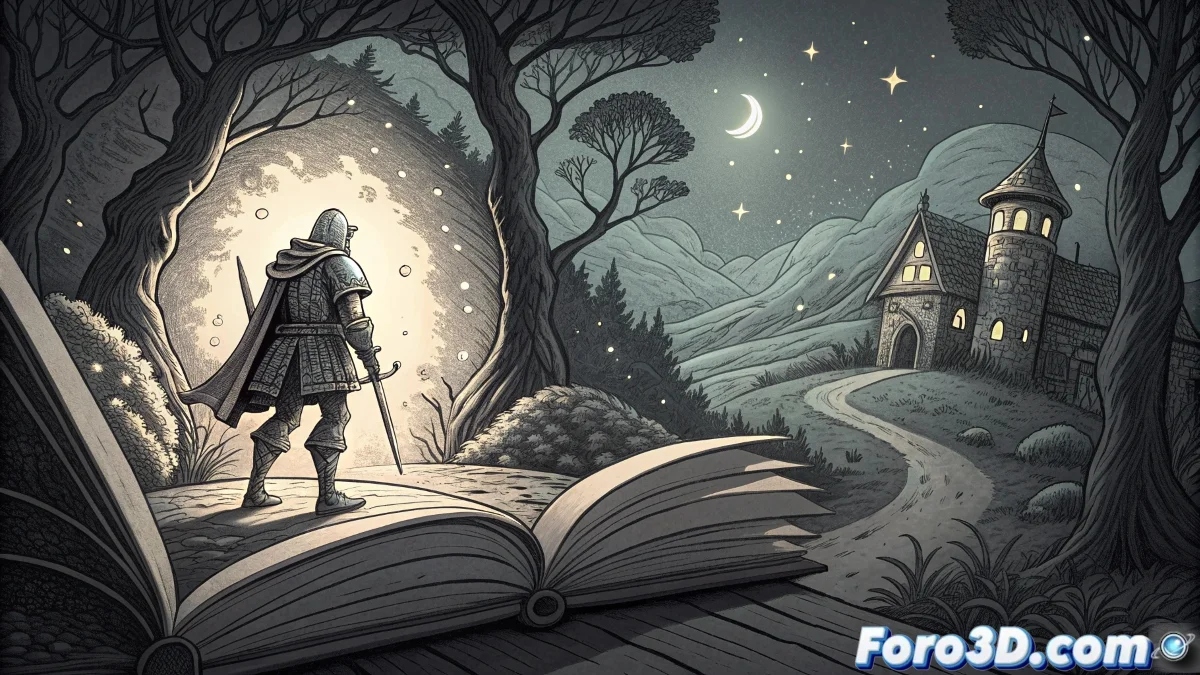
The Secret of Weepstone: when hand-drawn art revives the aesthetic of D&D manuals
The Secret of Weepstone is redefining the visual aesthetic of indie RPGs through a masterful combination of hand-drawn art and a retro aesthetic inspired by classic Dungeons & Dragons manuals. Developed by Talesworth Game Studio, this video game not only pays homage to nostalgia for classic role-playing games but creates a unique immersive experience that transports players directly to the golden age of tabletop role-playing manuals. 🎲
Art direction: a tribute to classic manuals
The art direction of The Secret of Weepstone, led by Tom Galmacci, Jon Everett, and Ian MacLean, represents a meticulous study of the aesthetic of 1980s D&D manuals. Every visual element has been carefully designed to evoke the physical sensation of leafing through an old rulebook.
Key elements of the art direction:- Hand-drawn black-and-white graphics with characteristic ink lines
- Strategic color accents that highlight important narrative elements
- Textures simulating aged paper and vintage ink stains
- Typography recreating the typewritten fonts of ancient manuals
- Page composition mimicking the layout of classic D&D modules
- Borders and ornaments inspired by first-edition rulebooks
We wanted players to feel like they were playing inside an old D&D manual, where every page comes to life and every illustration tells a story.
Illustration techniques and creative process
The art team at Talesworth Game Studio has employed traditional illustration techniques combined with modern digital processes to achieve the game's distinctive look. This hybrid approach preserves the authenticity of the hand-drawn stroke while leveraging the advantages of digital development.
Art creation process:- Initial illustrations created with ink on paper using traditional techniques
- Scanning of drawings preserving imperfections and natural textures
- Selective color application to guide attention and emphasize narrative elements
- Implementation of aged paper effects and wear from use
- Frame-by-frame animation maintaining the static illustration aesthetic
- Integration of interactive elements respecting page composition
Fusion of influences: comics and fairy tale engravings
The visual palette of The Secret of Weepstone is the result of a conscious fusion between different artistic traditions. Influences from independent comics blend with the aesthetic of Victorian fairy tale engravings, creating a unique visual language. 📚
Identifiable artistic influences:- Underground comics illustration style from the 70s and 80s
- Wood engraving techniques from 19th-century fairy tales
- Aesthetic of fanzines and pre-internet DIY publications
- Illustrations from bestiaries and medieval bestiaries
- Art from 1990s European role-playing game manuals
- Visual style of experimental graphic novels
Character and bestiary design inspired by D&D
The character and creature design in The Secret of Weepstone follows the tradition of D&D manuals, where every illustration tells a story and provides gameable information. Creatures and characters are designed to be instantly recognizable and functional within the game's mechanics.
Character design features:- Distinctive silhouettes for immediate recognition
- Equipment details reflecting skills and specializations
- Expressions and poses conveying personality and group role
- Reference scales showing relative size between creatures
- Annotations and diagrams explaining special features
- Seasonal and condition variations affecting visual appearance
User interface and immersive experience
The user interface of The Secret of Weepstone is fully integrated into the old manual aesthetic. Every menu, inventory, and stats screen has been designed to appear as part of an interactive rulebook, reinforcing immersion in the game universe.
Innovative interface elements:- Menus simulating book indexes with physical tabs
- Character sheets reminiscent of classic character sheets
- Maps appearing hand-drawn with dungeon master annotations
- Dialogue systems presented as typewritten text with corrections
- Sound effects evoking turning pages and pencils writing
- Animated transitions simulating page turning
The emotional impact of the retro aesthetic
The aesthetic choice of The Secret of Weepstone generates a powerful emotional response in players who grew up with physical role-playing manuals. Nostalgia combines with the novelty of interactivity to create a unique gaming experience that transcends generations.
Documented emotional effects:- Evocation of memories of tabletop role-playing sessions with friends
- Sensation of discovery similar to finding a forgotten old manual
- Nostalgia for the analog era in a modern digital context
- Appreciation for craftsmanship and attention to detail in design
- Increased immersion through consistent aesthetic across all elements
- Reconnection with the tabletop roots of the digital RPG genre
Conclusion: the renaissance of hand-drawn art in video games
The Secret of Weepstone demonstrates how retro aesthetics and hand-drawn art can offer a refreshing alternative to the hyperrealism predominant in modern video games. By embracing the tradition of D&D manuals and fusing it with contemporary illustration techniques, Talesworth Game Studio has not only created a visually distinctive game but has raised the standard for what is possible in indie RPG art design. This project serves as a powerful reminder that visual innovation does not always mean technological advancement, but sometimes rediscovering and reinventing past artistic approaches with new purpose and mastery. 🎨