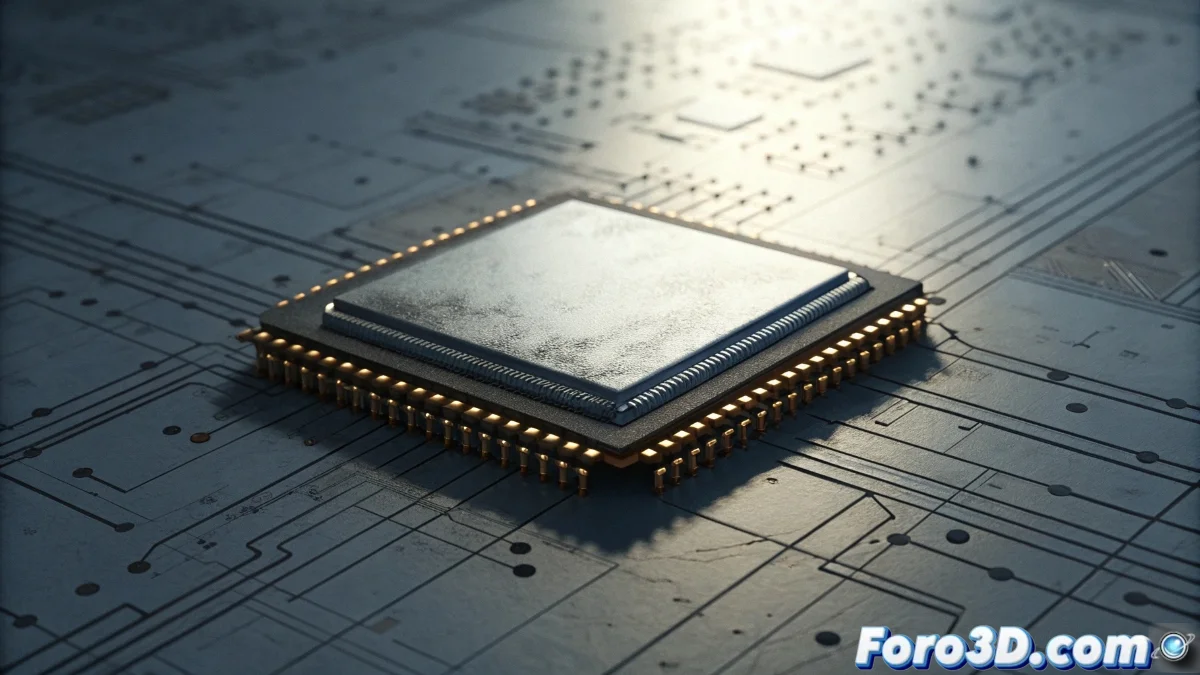
The Secret History of the PG Initials on Intel's i386 Processor
In Intel's laboratories during the 1980s, a young engineer named Pat Gelsinger made a bold decision that would mark the history of computing. While working on the development of the revolutionary i386 processor, he decided to discreetly incorporate his own initials "PG" into the silicon masks of the design. This act of personal branding remained hidden until then-CEO Andy Grove discovered them during a routine project review. 🚀
The Moment of Executive Confrontation
When Grove identified the mysterious initials during a design review, he directly confronted Gelsinger demanding an explanation. Instead of admitting the truth, the engineer responded with instant wit, claiming that "PG" stood for Processor Grade - an internal quality control system to verify the chip's authenticity. Grove, known for his pragmatic management style, accepted the explanation without further questions, allowing the initials to remain on all produced units.
Key Elements of the Historic Episode:- Calculated risk management in high-tech corporate environments
- The culture of innovation and empowerment that Intel fostered among its technical staff
- The value of quick thinking and improvisation skills under pressure
"Sometimes small personal gestures can become permanent technological legacies" - Reflection on symbolic engineering
Strategy and Legacy of the Hidden Symbol
Gelsinger later acknowledged that his action represented a calculated risk motivated by a genuine desire to leave a personal mark on a historic project. Instead of removing the initials when he had the chance, he strategically transformed the gesture into an organizational advantage, presenting it as a verification system that added value to the manufacturing process. This move not only preserved his symbolic participation in the chip but also perfectly illustrated Intel's corporate philosophy during that golden era of microelectronics.
Lasting Impacts of This Anecdote:- Demonstration of how individual creativity can influence massive technological products
- Example of the evolution of quality control practices in the semiconductor industry
- Illustration of the balance between corporate discipline and personal initiative in R&D environments
The i386 and Its Place in Computing History
The i386 processor established itself as a fundamental pillar of personal computing, decisively driving the era of modern PCs and setting architectural standards that would influence subsequent generations of microprocessors. Gelsinger's initials, initially a personal gesture, involuntarily became part of the global technological heritage, physically appearing on millions of devices around the world. This singular episode vividly demonstrates how seemingly minor details can endure in iconic products, adding a unique human dimension to the world of precision engineering. ✨