The Science Behind Alcohol-Induced Blackouts
Waking up after a night of partying with major mental gaps is a common experience. This phenomenon, called blackout or alcohol blackout, does not involve erasing memories, but rather the brain stops creating them. The cause lies in how ethanol interacts with basic neural mechanisms. 🧠
The Neural Mechanism That Shuts Down
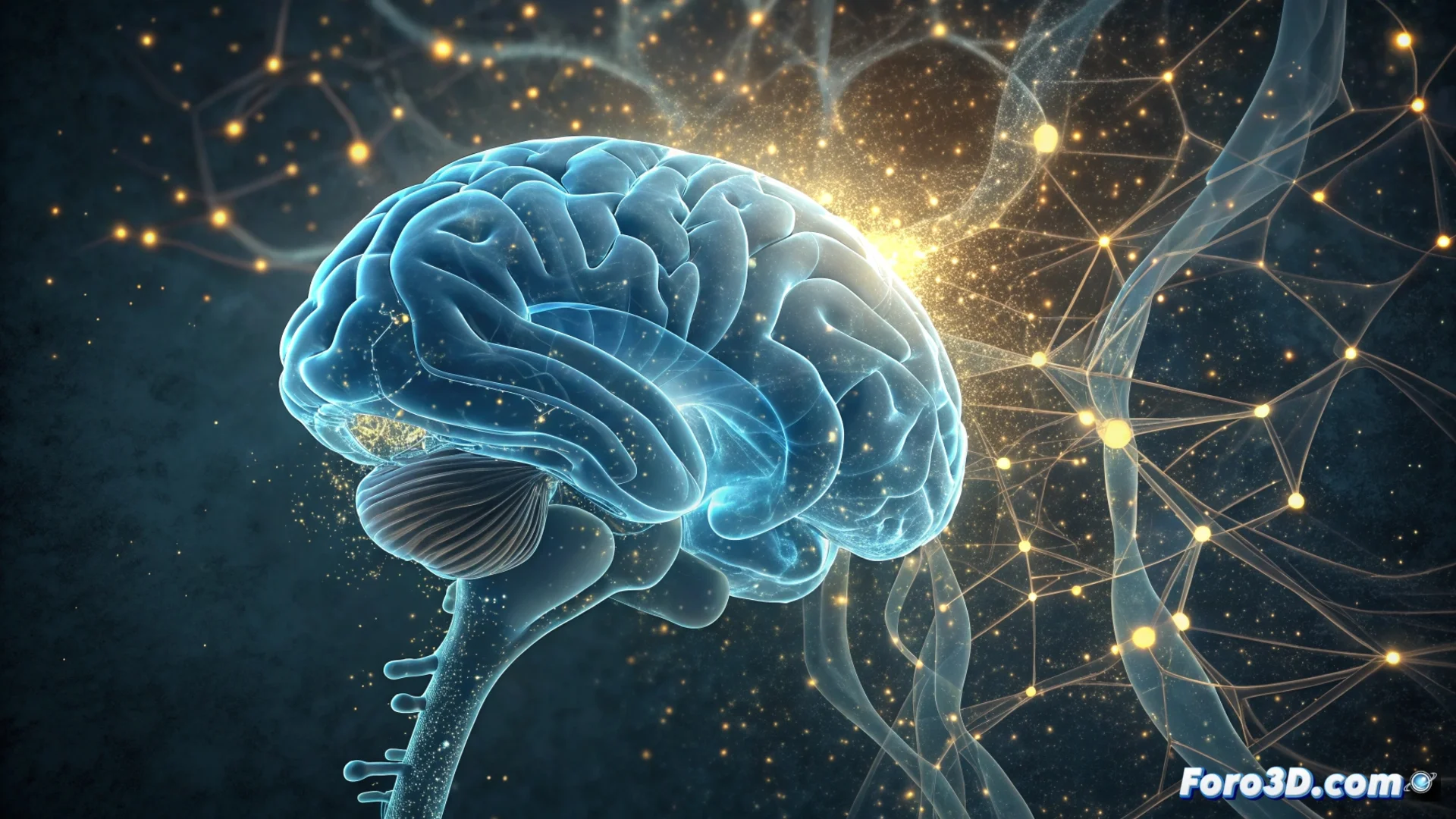
The hippocampus, a brain structure essential for forming memories, is particularly vulnerable to alcohol. When blood alcohol concentration rises quickly, this substance depresses the activity of NMDA receptors in the neurons of this area. This blocks the process of long-term potentiation, which is the cellular foundation for learning and remembering. The brain perceives the present, but cannot transfer that data to store it permanently.
Two Sides of the Same Problem:- Fragmentary Blackouts: Memory has gaps or blanks. Sometimes, with cues or details, some fragments of what happened can be recovered.
- Block Blackouts: Represent a complete and dense loss. Entire hours disappear without a trace and without the option to recover those memories later.
- Indicator of Severe Impairment: Both types indicate that intoxication has compromised critical brain functions, going beyond simple disinhibition or clumsiness in movement.
Alcohol doesn't erase the memories of the party; it prevents your brain from writing them in the first place.
Consequences Beyond Forgetting
Experiencing these episodes repeatedly is not trivial. It indicates a pattern of consumption that leads to severe acute intoxication, with immediate risks to personal safety and long-term neurological health. It is an alarm signal that the body emits.
What Really Happens in Your Head?- The hippocampus, flooded with alcohol, stops encoding new information.
- Other brain areas, such as those responsible for judgment and motor control, are also affected, but independently.
- You can interact, talk, or even act with relative coherence at the moment, but that "movie" will never be saved in the file.
A Scientifically Based Excuse
The next time someone tells you about a nighttime feat that your mind doesn't register, you can argue that, in reality, your hippocampus was prioritizing resources to handle the res