Sagunto Castle and Its Complex Heritage Evolution
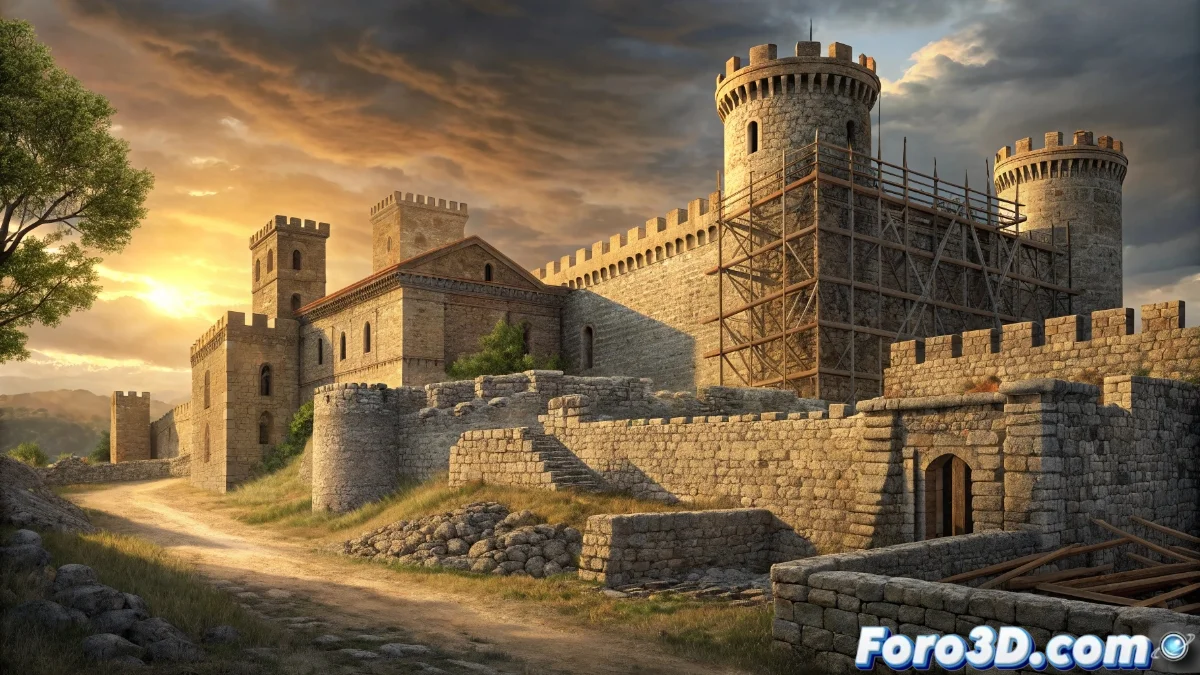
Sagunto Castle, nicknamed the Castle of Open Views, represents an exceptional case of historical heritage in permanent metamorphosis. Its origins date back to Roman and medieval civilizations, but its current configuration shows an architectural collage resulting from numerous interventions through the centuries, each manifesting different conceptions about conservation. Its identity as a historical ruin persists, while it constantly hosts consolidation and protection work on what the centuries have preserved 🏰.
Truncated Interventions and Their Visual Impact
Throughout its history, the castle has undergone multiple actions that have frequently been suddenly suspended due to lack of funds or changes in archaeological protocols. This has created areas where authentic medieval structures coexist with halted modern reconstructions, producing a singular architectural scenario where the marks of unfinished works are as visible as the millennial history they attempted to conserve. The fortifications and bastions clearly show these temporal discontinuities, with contemporary materials confronting ancestral ones without aesthetic transitions 🔨.
Determining Factors in the Interruptions:- Irregular funding that has left numerous interventions half-finished
- Evolution of archaeological and conservation paradigms over time
- Visual coexistence between original medieval elements and truncated modern additions
It seems the castle accumulates more pending projects than centuries of history, a living testimony of discontinuities that challenges any contemporary planning.
Current Challenges in Heritage Preservation
Modern criteria for heritage conservation attempt to achieve a subtle balance between reinforcing surviving structures and maintaining the historical integrity of the monument. Current actions face the challenge of intervening without distorting historical authenticity, using methods and materials that are identifiable and modifiable compared to the originals. This perspective notably contrasts with more aggressive previous interventions, establishing a dialogue between different eras of conservation that is physically etched into the castle's stone 🧱.
Principles of Contemporary Conservation:- Use of distinguishable materials that allow for future rectifications
- Recognizable methods to avoid misrepresenting historical truth
- Architectural conversation between different periods of intervention
Perspectives on a Dynamic Legacy
Sagunto Castle stands as a notable example of how cultural heritage can transform without distorting its essential nature. The multiple layers of intervention, both completed and interrupted, tell an intricate story of human endeavors to safeguard collective memory. This monument demonstrates that heritage protection is not a linear process but a permanent exchange between yesterday, today, and tomorrow, where each action, even the incomplete ones, contributes a significant episode to its extensive historical chronicle 📜.