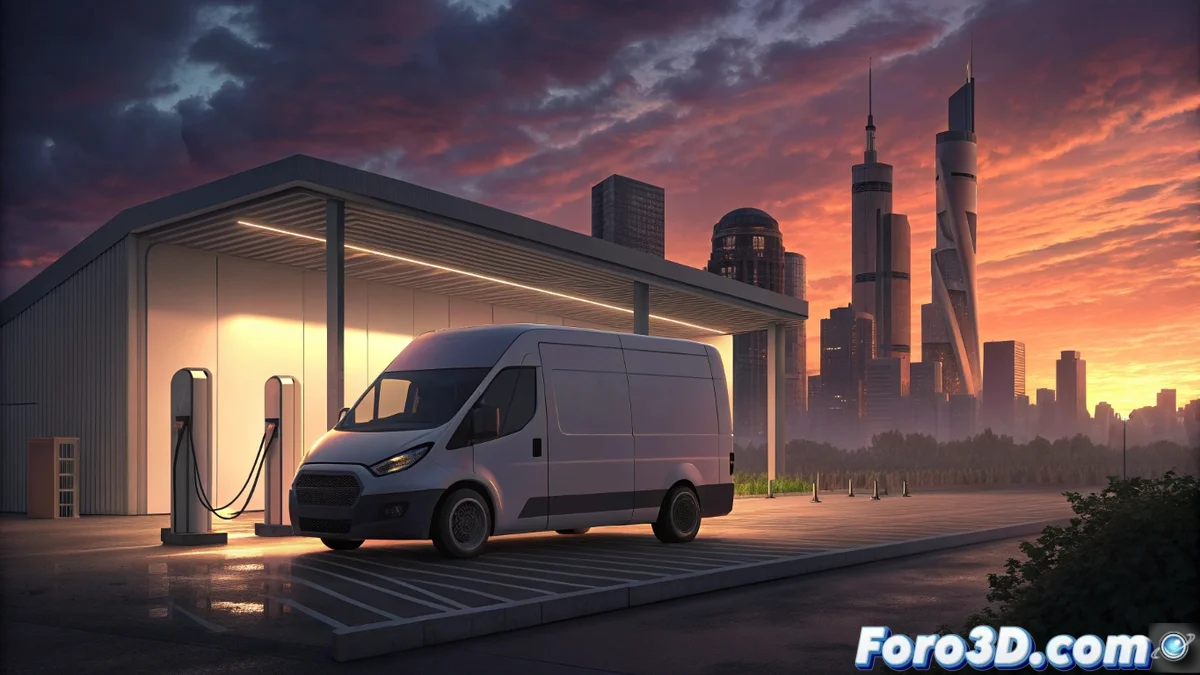
The Rise of Electric Vans in Sustainable Mobility
The transformation of transportation towards more eco-friendly models has light commercial vehicles as one of its most dynamic protagonists. Electric vans are leading this revolution, positioning themselves as an indispensable solution for professionals and companies that prioritize efficiency and respect for the environment. This segment is experiencing unprecedented expansion, fueled by stricter environmental regulations and rising social awareness. 🚐⚡
Benefits that Go Beyond the Obvious
While the positive impact on the planet is the most prominent argument, the electrification of fleets offers very concrete economic advantages. The simplified mechanics of an electric motor translate into significantly reduced maintenance, dispensing with wear-prone elements such as oils, filters, or complex exhaust systems. The cost per kilometer is significantly lower thanks to the price of electricity compared to fossil fuels. Additionally, they facilitate access to low emission zones in urban centers, a critical aspect for delivery and messaging services.
Key advantages of the electric transition:- Continuous operational savings: Substantially lower energy and maintenance costs in the long term.
- Unrestricted access: Freedom of movement in urban areas with anti-pollution policies, essential for last-mile logistics.
- Tax incentives and subsidies: Direct aid from many administrations to amortize the initial investment.
The electrification of commercial transport is not a futuristic option, but an economic and logistical necessity of the present.
A Competitive Landscape and Constant Improvement
The market responds with an increasingly wide and sophisticated range. From compact models ideal for dense city traffic to large-capacity vans for longer distances, all major manufacturers already have their offerings. This competition fosters technical innovations, especially in battery density and management, which allows increasing useful range and reducing charging times. The deployment of public charging infrastructure is advancing, although its uniform development remains a challenge to ensure confidence in intercity trips.
Factors driving the sector's evolution:- Battery innovation: Advances that extend range and improve the lifespan of energy packs.
- Charging network expansion: Growth, though uneven, of fast and semi-fast charging points.
- Model diversification: Offerings adapted to different needs for payload, range, and business segment.
Conclusion: A Reality in Motion
The transition to electric vans is an unstoppable and tangible process. They represent an smart investment that combines environmental responsibility with business profitability. Although challenges persist, such as the homogenization of charging infrastructure, the path is set and the ecosystem continues to grow. That said, as a curious note, their silent operation makes those improvised street repairs impossible, where the noise of the combustion engine used to mask a lack of mechanical skill. 🔧😄 The future of commercial mobility is, without a doubt, electric.