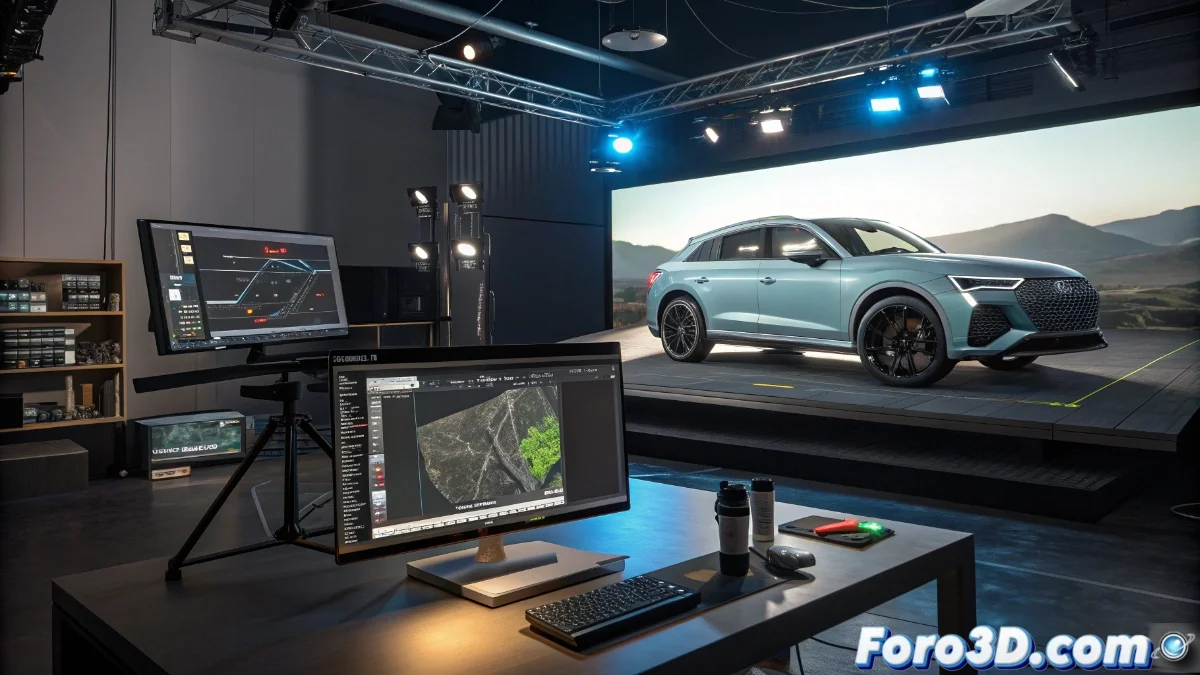
The Revolution of MoE-ViT Architectures in Creative Design Tools
The incorporation of MoE-ViT architectures into design applications is revolutionizing creative processes by providing more efficient and specialized processing capabilities. These systems avoid simultaneous analysis of all image channels, enabling real-time implementations that maintain quality without sacrificing performance 🚀.
Computational Efficiency for Intelligent Assistants
This computational efficiency enables new possibilities for intelligent assistants that operate fluidly in complex design environments. They provide immediate feedback and automatic adjustments while artists work, significantly improving productivity and creativity.
Key Advantages of MoE-ViT Assistants:- Selective processing that optimizes resource usage
- Real-time operations without compromising visual quality
- Seamless integration into existing creative workflows
The ability of these systems to analyze information selectively represents a paradigm shift in digital image processing
Precision in Automatic Color Adjustments
MoE-ViT-based assistants understand the complex relationships between different color channels with superior intelligence to traditional methods. By selectively analyzing chromatic information, they perform corrections that maintain tonal coherence and preserve the original artistic intentions 🎨.
Applications in Post-Production Workflows:- Color correction that respects the original artistic intent
- Maintenance of chromatic consistency between different shots
- Preservation of visual coherence in diverse elements
Advanced Segmentation and Texture Optimization
For element segmentation tasks, these systems identify and isolate objects with exceptional precision, facilitating processes like photo retouching and matte painting integration. In 3D pipelines, assistants intelligently analyze and improve textures, detecting areas that require cleaning or refinement without extensive manual intervention 🔍.
Benefits in Creative Pipelines:- Significant acceleration of tedious asset preparation tasks
- Automatic optimization of materials for different lighting conditions
- Improved precision in integration and compositing processes
The Future of Human-AI Collaboration
These advances lead us to imagine scenarios where we can finally blame the intelligent assistant when our renders don't meet expectations, even though we secretly know the problem was our own work. This symbiotic collaboration between creatives and AI systems marks the beginning of a new era in digital production ✨.