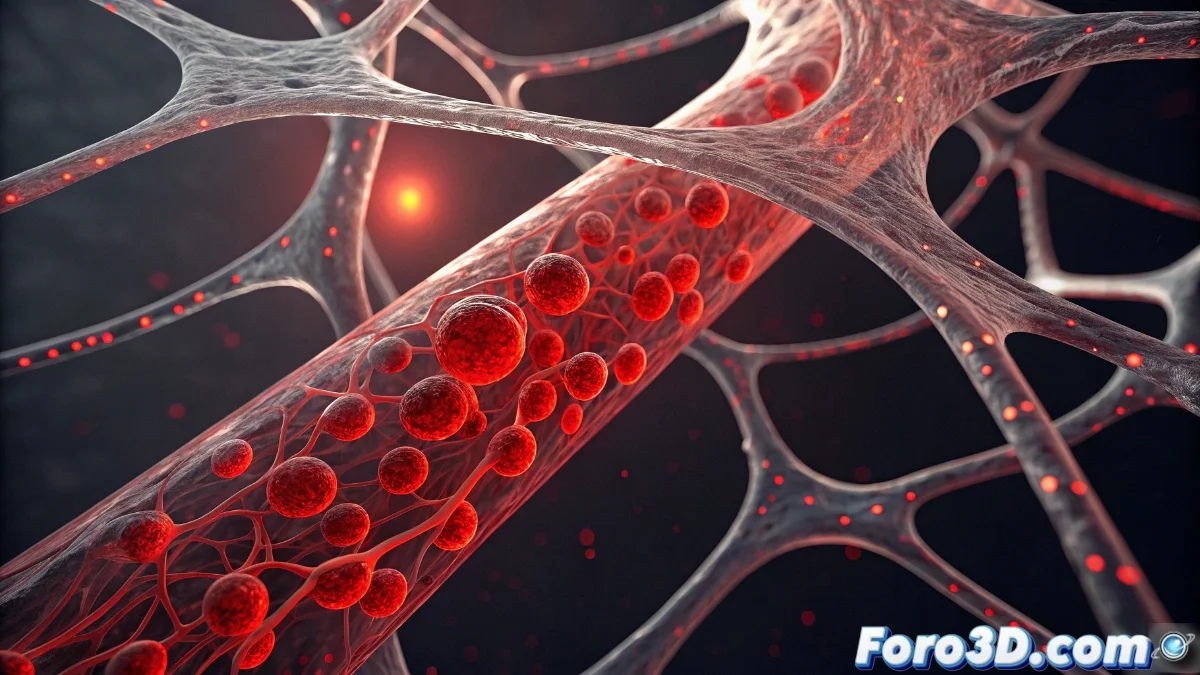
The Revolution of 3D Bioprinting in Stroke Research
The field of neurology is undergoing a radical transformation thanks to advances in medical additive manufacturing. The creation of artificial cerebral vascular structures using 3D printing techniques is opening new frontiers in the study of strokes 🧠.
Cutting-Edge Technology in Biofabrication
High-precision 3D bioprinting forms the core of this scientific breakthrough. Using specialized hydrogels and advanced bioinks, researchers can build exact replicas of the complex cerebral vascular network. These materials have been specifically designed to mimic the mechanical properties of real blood vessels, combining structural flexibility with the strength needed to withstand simulated bodily fluid flows 💉.
Key features of the printed vascular models:- Precise replication of vascular geometry based on real patient medical images
- Ability to simulate clot obstructions and study their behavior in real time
- Complete customization to adapt to each individual's specific vascular anatomy
These 3D printed models allow us to observe vascular phenomena that were previously impossible to study directly in humans - Dr. Elena Martínez, neuroscientist
Applications in the Development of Advanced Therapies
The most significant impact of this technology is seen in the acceleration of pharmaceutical development. The printed vascular models enable testing of experimental thrombolytic drugs under controlled but extremely realistic conditions. Researchers can introduce candidate medications and closely observe their efficacy in dissolving clots, measuring parameters such as speed of action and potential side effects 🔬.
Main advantages in medical research:- Significant reduction in reliance on traditional animal models
- Ability to quickly discard ineffective therapies before clinical trials
- Possibility of creating customized models for patients with complex vascular anatomies
Future of Personalized Medicine in Neurology
This technology is laying the groundwork for a new era in stroke treatment. The ability to create exact replicas of specific patients' cerebral vasculature will enable the development of completely personalized therapeutic approaches. Future physicians will be able to test different treatment strategies on printed models of the patient themselves before implementing them in real clinical practice 🎯.