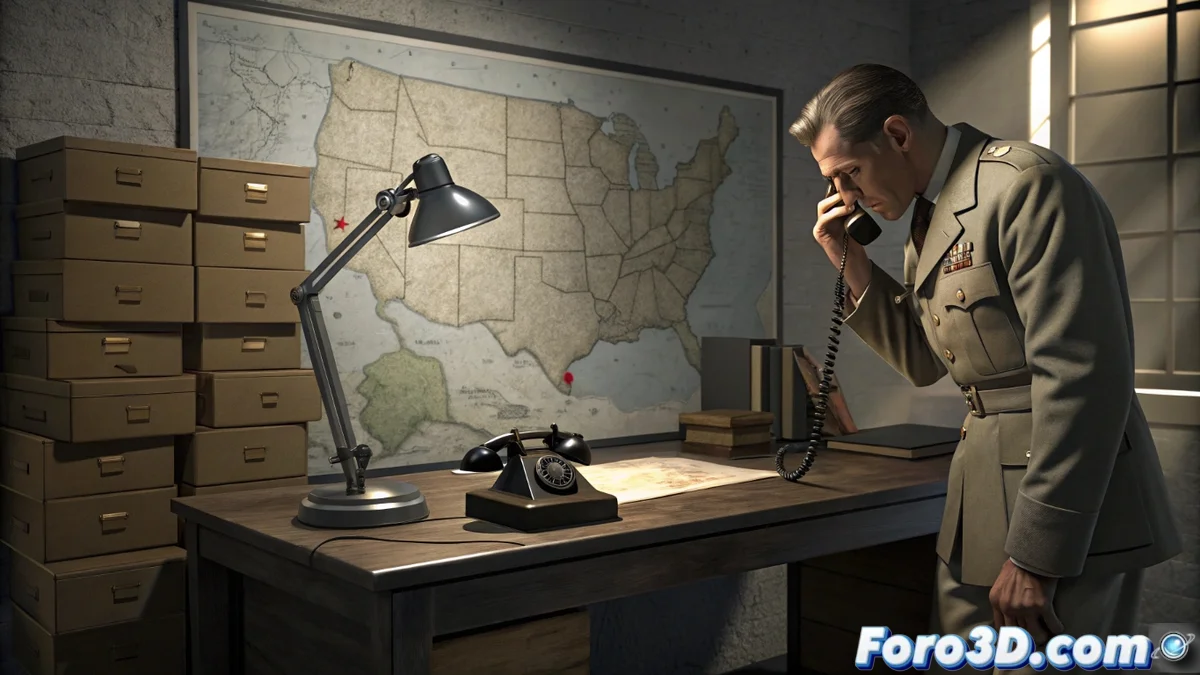
The Report on Unidentified Flying Objects: the testimony of Edward J. Ruppelt
The book The Report on Unidentified Flying Objects constitutes an essential historical document, written by Edward J. Ruppelt, the officer who was in charge of the Project Blue Book. In its pages, Ruppelt recounts how the United States Air Force processed numerous sightings during the 1950s, offering a unique internal perspective. 🛸
An internal view of the official investigation
Ruppelt details the functioning of the project, explaining how his team collected and evaluated each report. The book analyzes specific cases that became emblematic, presenting the available data and the persistent difficulties in finding conventional explanations. The author also describes the climate of political and public pressure surrounding this work.
Methodology and key findings:- Procedures for collecting and filtering sighting reports.
- Detailed analysis of incidents that challenged known technology.
- The impact of public opinion and institutional restrictions on the investigation.
"A part of the sightings represented real objects with performances that exceeded known technology." - Edward J. Ruppelt
The researcher's personal evolution
One of the most revealing aspects of Ruppelt's testimony is how his personal stance transformed. He began with marked skepticism, but the accumulated evidence led him to accept the existence of an unidentified aerial phenomenon that required serious and unbiased study. This change in perspective adds great credibility to his account.
Elements that define his testimony:- Transition from initial skepticism to recognition of a real mystery.
- Credibility granted by his position as the officer in charge of the official investigation.
- Conclusion that marked a turning point in how the subject was perceived seriously.
A fundamental legacy for ufology
This work is considered a fundamental primary source for anyone studying the history of the UFO phenomenon. The book serves as a reminder that, before conspiracy theories, there were professionals who tried to solve a puzzle with the available data, and often were left without conclusive answers. Its value lies in its direct and methodical gaze. 📖