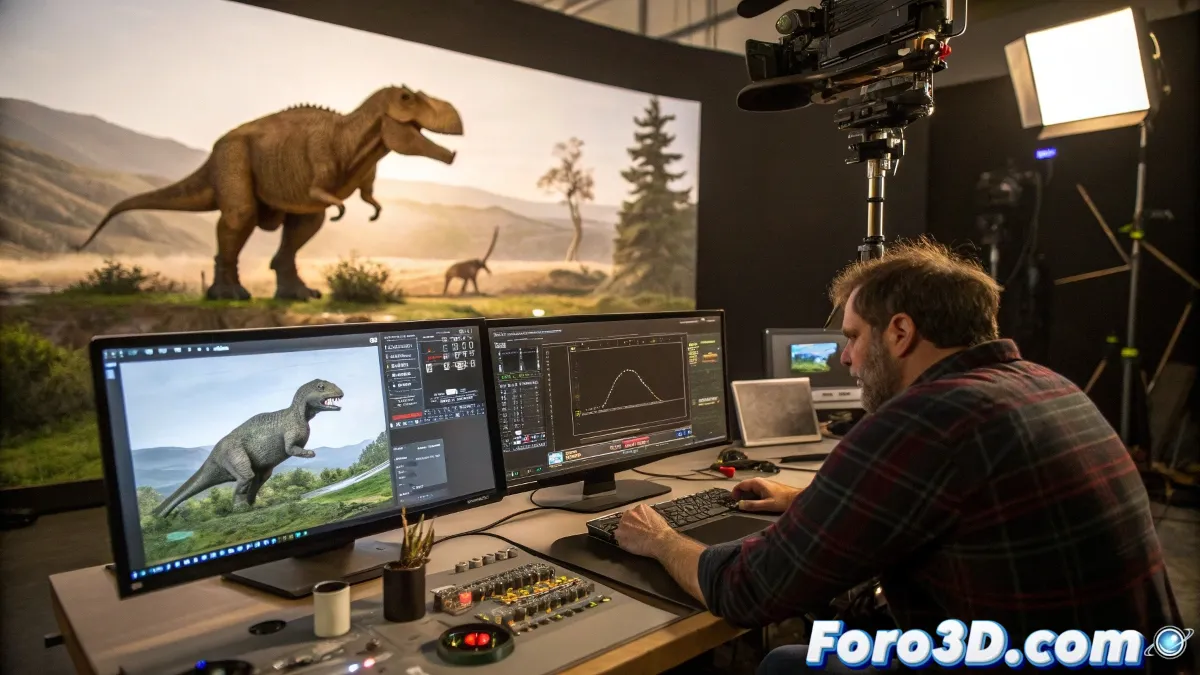
The Balance Between the Tangible and the Digital in Modern Cinema
The film industry is experiencing a fascinating paradox: while artificial intelligence revolutionizes visual effects, many directors are rediscovering the value of traditional methods. This phenomenon does not represent a rejection of technology, but a conscious search for visual authenticity. AI has enabled levels of realism previously unimaginable, but as director Denis Villeneuve points out, "the abuse of any tool, no matter how advanced, can impoverish the final result".
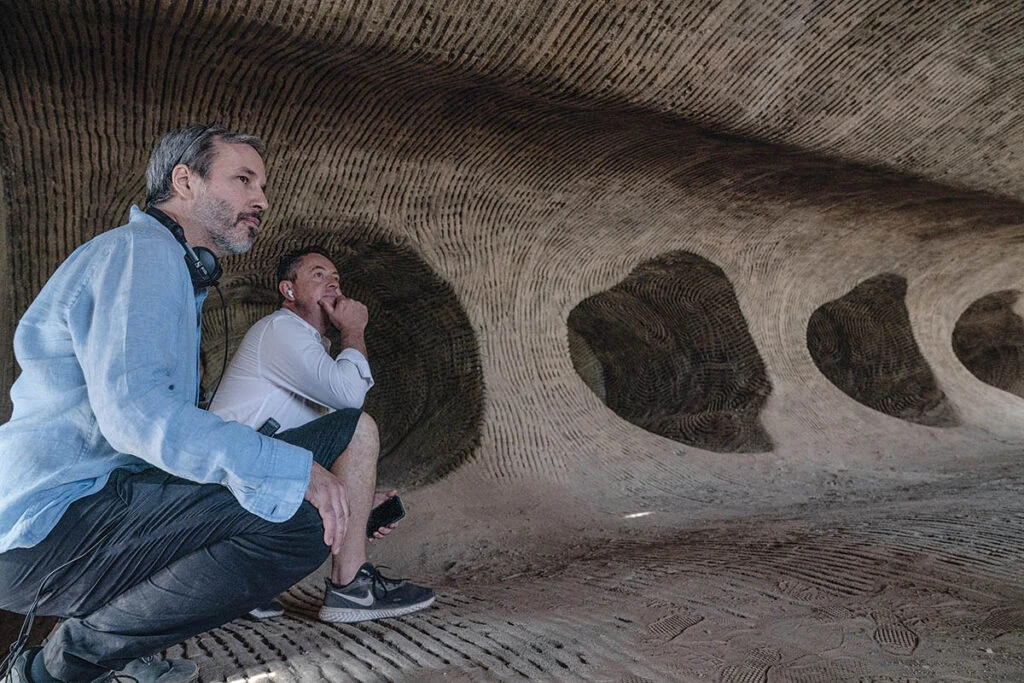
The Synergy of Techniques That Defines Current Cinema
The most acclaimed contemporary productions demonstrate that the future lies in the strategic combination of resources:
- Practical effects: Physical scenes that provide texture and real presence
- Advanced CGI: For what is impossible or dangerous to film
- Support AI: Optimizing details and accelerating technical processes
This methodological trilogy allows overcoming the limitations of each approach separately. Artificial intelligence, in particular, has proven invaluable for tasks such as matchmoving or generating believable digital crowds.
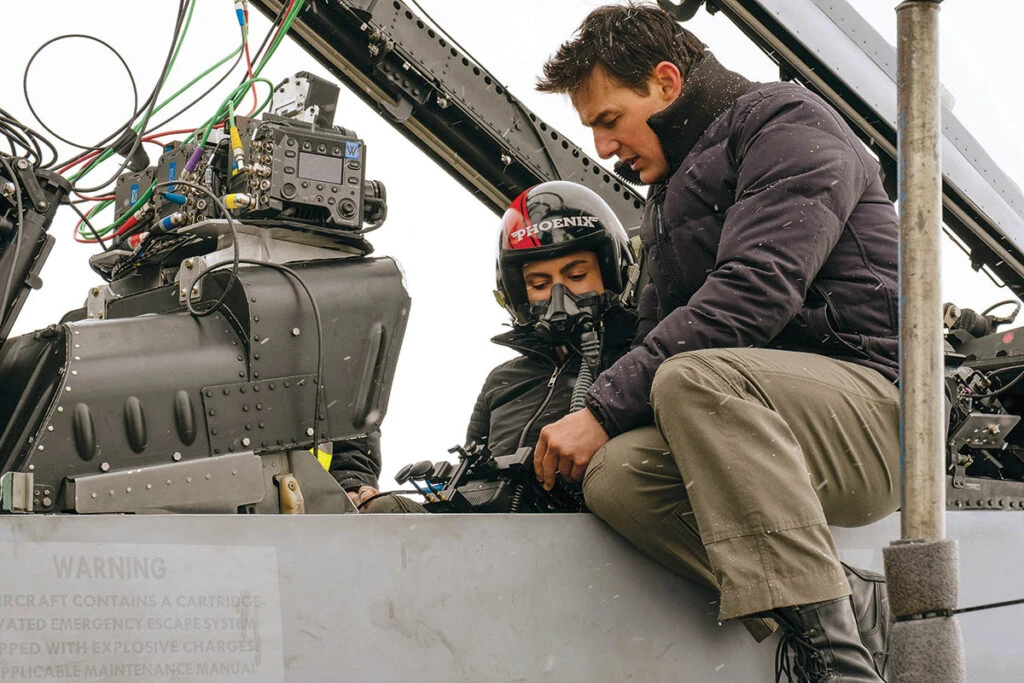
Nostalgia with a Technological Seal
Classic franchises like Beverly Hills Cop show how to revive the spirit of past eras without renouncing current advances. The truck sequence, now recreated with real vehicles but digitally perfected, symbolizes this marriage between the vintage and the avant-garde. AI algorithms allow integrating these elements with a cohesion that previously required weeks of manual work.
"The magic happens when the audience cannot distinguish where the real ends and the digital begins," comments visual effects supervisor Bryan Grill.
The Future of Visual Creation
More than a competition between techniques, an evolution toward hybrid workflows is observed. Artificial intelligence does not replace traditional art, but frees artists to focus on creative aspects. This balance constantly redefines the limits of what can be achieved on screen, maintaining that human element that remains the heart of cinema.