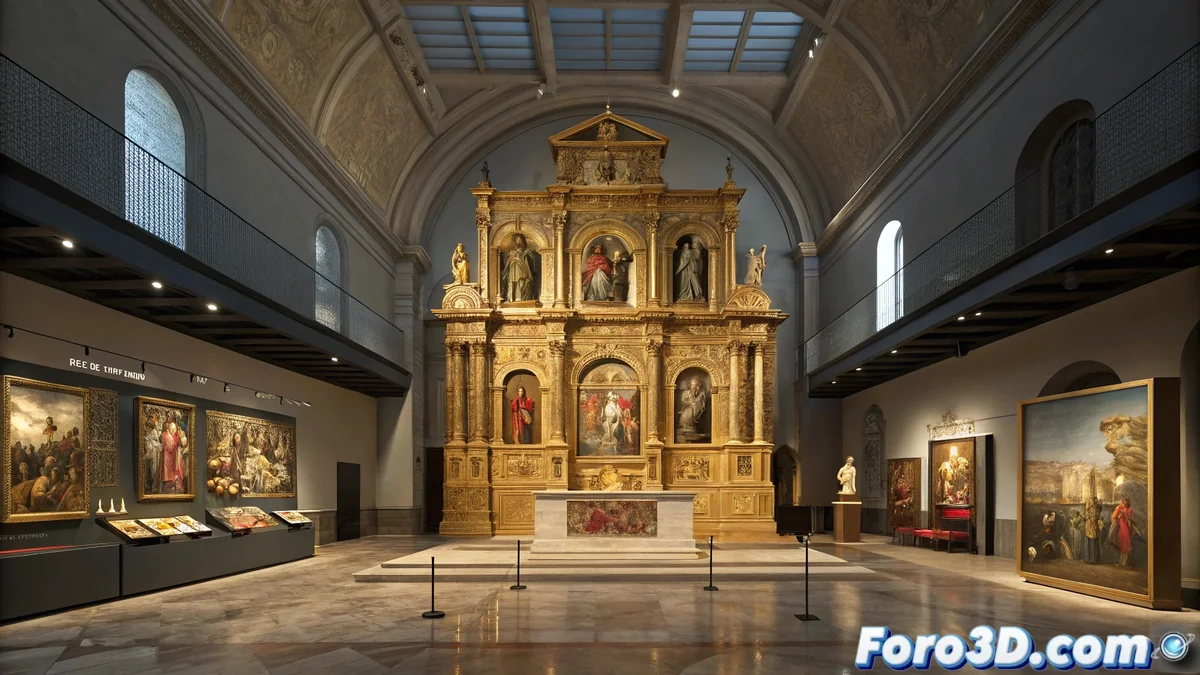
When Technology Saves Art 🎨
In 2021, 62 stolen Renaissance masterpieces returned home. But the story doesn't end there: now they are being digitized in 3D, combining archaeological precision with the power of tools like ZBrush and Unreal Engine. Because in the 21st century, preserving heritage no longer means just keeping it under lock and key, but turning it into immortal bytes.
What time eroded and thieves tried to steal, 3D brings back to life with polygons and pixels.
Technology that Captures the Soul of the Works
The process begins with millimetric scanning using:
- Structured photogrammetry to capture textures and colors
- LIDAR that records even the smallest relief
- Specialized lights that reveal hidden brushstrokes ✨
The result? 3D models so detailed they show cracks invisible to the human eye, perfect for study and conservation.
Restoring the Impossible with Polygons
Many pieces arrived damaged, but in the digital world everything can be repaired. 3D artists:
- Reconstruct lost elements based on symmetries and historical documents
- Recreate gilding and polychromy with Substance Painter
- Simulate natural aging through custom shaders
Thus, a wingless angel or a decapitated saint recovers its original splendor... at least on screen.
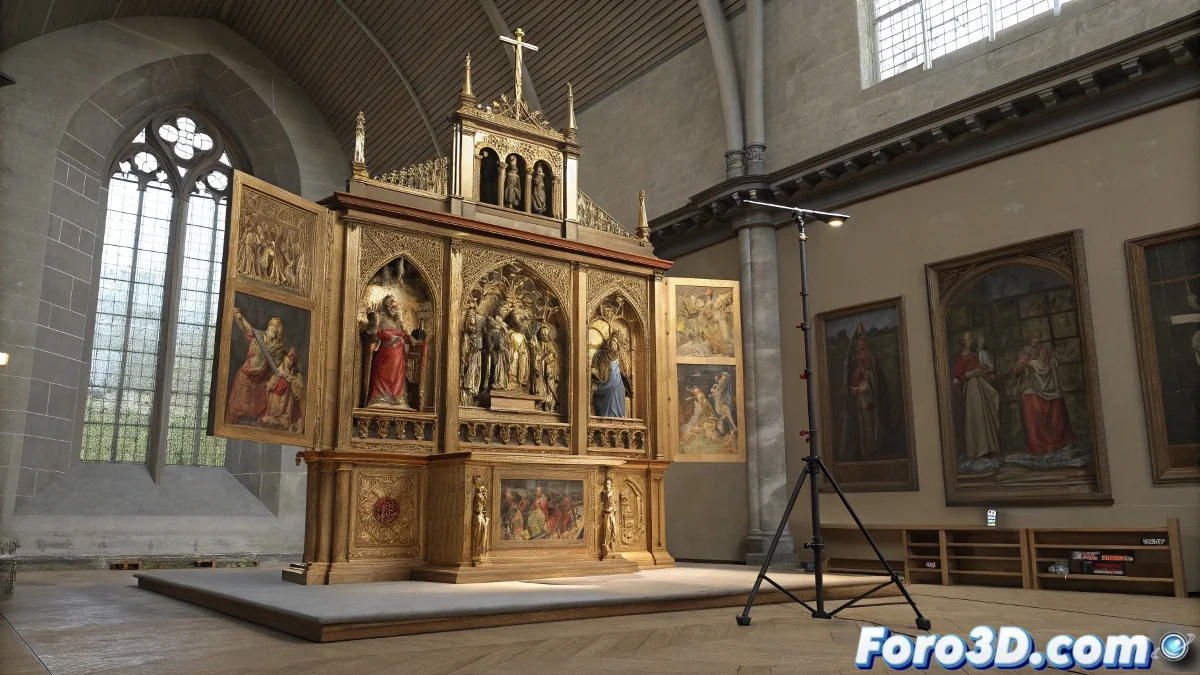
Museums of the Future, Today
These models are not just pretty files: they are revolutionizing the museum experience. With augmented reality, visitors can:
- See complete altarpieces even if they are physically fragmented
- Explore hidden details with impossible magnifications in reality
- Witness historical recreations of their original use 🕯️
And all this without risking the fragile original pieces.
Art that Will Survive Everything (Even Us)
Beyond the visual, these 3D files are a digital time capsule. When in 500 years someone wants to study this period, they won't depend on fragile woods, but on perfectly preserved models. That said, let's hope by then they don't need to explain what a floppy disk was. 💾
Now, if someone finds Michelangelo's lost sketchbook, let us know... we have the scanners ready.