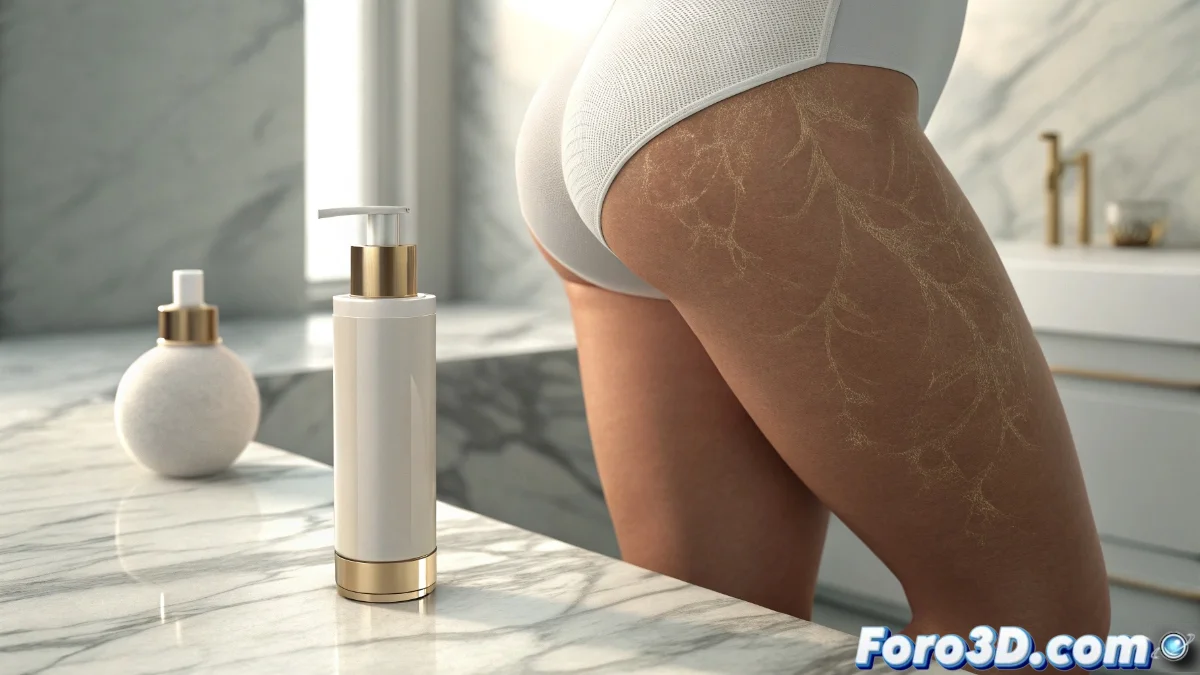
The Reality Behind Anti-Cellulite Creams and Their Advertising Promises
The cosmetic market is flooded with anti-cellulite creams that guarantee miraculous results in record time, showing in their campaigns women with perfectly smooth skin and claims like "visible results in one week". However, these promises hide an uncomfortable truth: cellulite is a complex structural condition related to fat distribution, connective tissue, and genetic factors that no topical treatment can completely eliminate. 🧴
The Real Limits of Topical Treatments
The effects of these anti-cellulite creams are fundamentally superficial and transient. They can generate a temporary improvement in skin appearance through mechanisms of deep hydration or local circulatory stimulation, but these changes do not modify the underlying structure of cellulite. Any perceptible benefit crucially depends on complementary factors such as a balanced diet, regular physical activity, and healthy lifestyle habits to maintain long-term results.
Main limitations of anti-cellulite creams:- Temporary effects that do not alter the deep cellulite structure
- Results dependent on external factors like diet and exercise
- Inability to modify genetic and structural components
If a product promises to eliminate cellulite like magic, you're probably buying more illusion than real results
Deceptive Advertising Strategies in Cosmetics
Advertising in the cosmetic sector systematically uses digitally retouched images, exaggerated testimonials, and absolute promises that generate unrealistic expectations in consumers. This communication manipulation makes people believe that simply applying a cream will produce drastic transformations, something that lacks scientific backing and makes these campaigns essentially deceptive.
Questionable advertising tactics:- Use of digitally altered and retouched images
- Exaggerated testimonials without solid scientific basis
- Promises of quick and permanent results
Final Reflection on Informed Consumption
The lack of transparency about the real nature of cellulite and the genuine limitations of topical treatments contributes to perpetuating myths and frustrations among those seeking immediate solutions. If a cream promises to make cellulite disappear magically, it's worth questioning whether you're acquiring more hope than effectiveness. Although if the illusion brings you satisfaction, the product fulfills its psychological function. 🤔