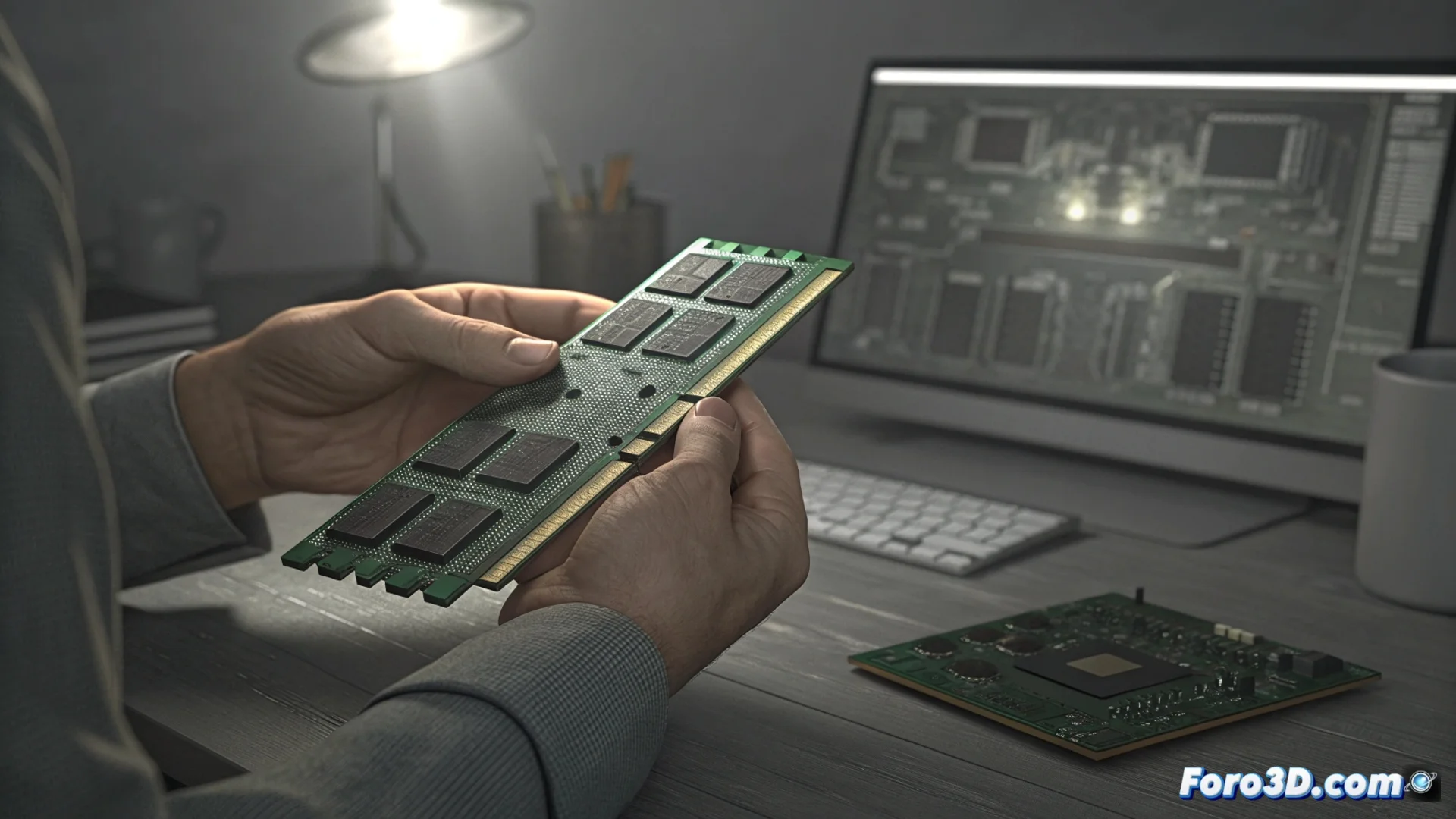
The RAM memory market faces a growing risk from fake modules
Investing in RAM memory today carries a threat that goes beyond the simple high cost. A steady flow of fraudulent components is invading the market, a problem that scales along with the value and importance of this hardware. Scammers sell modules that do not perform as agreed, either by having fewer gigs or lower frequencies. Frequently, they salvage old chips from obsolete equipment, relabel them, and market them as new, or package defective memories passing them off as premium products. This creates a real challenge for anyone looking to upgrade their PC. 🚨
Strategies to defend yourself as a buyer
To protect yourself, it is vital to act with caution from the moment you decide to buy. The golden rule is to always purchase through authorized sellers and official channels, even if the price on other sites seems more attractive. When the product arrives, inspect the packaging and adhesive labels in detail. Look for inconsistencies in the font, logos, or printed technical data. A step you cannot omit is to use diagnostic software after installing the memory. Programs like CPU-Z allow you to confirm the real specifications of the module: its speed, latencies, and total capacity. On the other hand, tools like MemTest86 test its stability and proper functioning to rule out faults from the start.
Critical verification steps:- Purchase from official stores or authorized distributors, avoiding offers that are too good to be true.
- Physically inspect the module: quality of the silkscreen, soldering, and labels. Counterfeits usually have crude details.
- Run software like CPU-Z to compare every specification (speed, DDR type, timings) with what the seller advertised.
The only way to secure your investment in RAM is to verify, not trust. A shiny module can be an expensive and temperamental paperweight.
Technical verification is your main shield
Initial distrust and methodical checking are your best allies. Do not base your decision solely on the physical appearance of the module or a printed label. Running stress tests with specialized software not only confirms that the memory is what you bought, but also ensures it will not cause errors, blue screens, or general instability in your system. This process, although it demands extra time, is the definitive barrier to ensure that your investment in RAM is solid and that the component functions as expected throughout its useful life.
Tools and decisive actions:- Use MemTest86 or HCI MemTest to subject the RAM to intensive cycles and detect bit errors or defective cells.
- Monitor temperatures and performance in real-world usage scenarios, such as rendering or gaming, to detect instabilities.
- At the slightest doubt, contact the seller and exercise the warranty. Original products have support and clear policies.
Conclusion: safety above all
The current landscape demands that hardware users be more alert. Buying RAM is no longer a simple process. It involves researching the seller, physically inspecting the product, and, most importantly, validating its functioning with technical tools. This diligence may seem excessive, but it is the only way to avoid losing money on a critical component that could damage the rest of your system. Protect your investment and your peace of mind; verify before trusting. 🛡️