When Visual Effects Reflect Fear (and Not Monsters)
In Beau Is Afraid, Ari Aster didn't need supernatural creatures to scare: Joaquin Phoenix's mind and the talent of Folks VFX were enough to turn anxiety into images. Because, what is more terrifying than a paranoiac's perception? 🌀
We weren't looking for flashy effects, but for each visual alteration to be an extension of Beau's mental state.
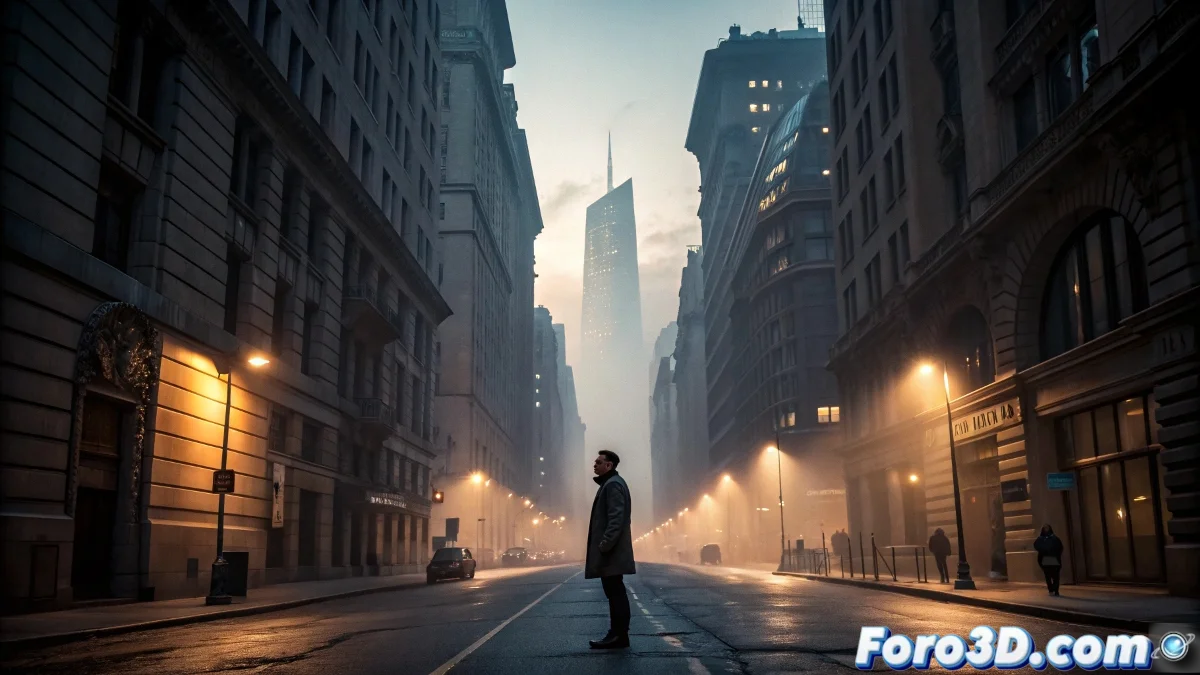
The City That Breathes Paranoia
The team managed to make everyday scenes unsettling with:
- Matte paintings to extend environments with disturbing details
- 3D projections that distorted buildings almost imperceptibly
- Facial tracking to integrate 2D animations into dreamlike sequences
The result is so subtle that one wonders: Has that wall always been like that… or is it my imagination? 🤔
Software for (De)composing Reality
The key tools for this psychological journey were:
- Nuke, for overlaying layers of altered reality
- Houdini, simulating deformations with nightmare logic
- Rotoscoping, blending traditional animation with live-action
Because when you work on an Aster film, "like in real life" doesn't apply. Or maybe it does, but in the real life of someone having an existential crisis. 🎭
Effects That Aren't Seen... But Are Felt
From a hand-animated puppet theater sequence to impossible body displacements, each effect served to:
- Reinforce the protagonist's guilt and fear
- Create transitions between reality and hallucination
- Keep the viewer in a state of uncertainty
So the next time your house seems a little different, don't blame memory… you might be a victim of excellent VFX work. Or of Ari Aster. 😅