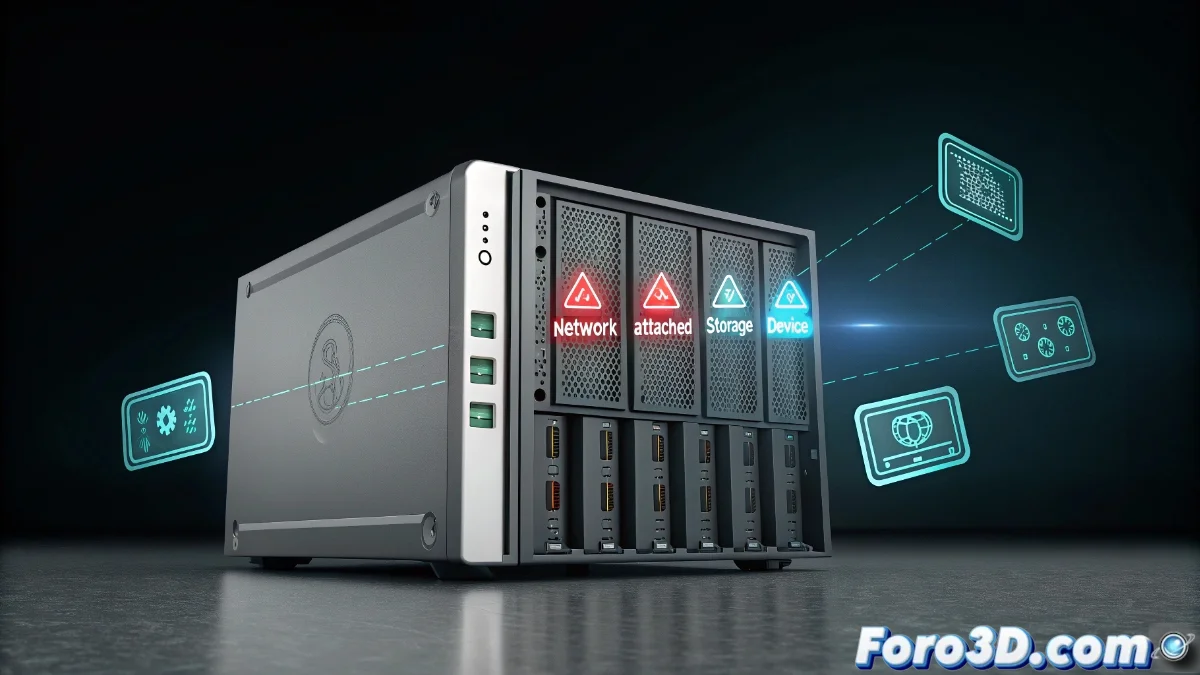
The Problem of Limited Support in Home NAS Systems
The major manufacturers of network storage devices for the home environment implement restricted support cycles in their proprietary operating systems, creating a growing dilemma for consumers. When these devices reach their official support end date, they stop receiving security patches and functional improvements, turning perfectly operational hardware into potential cyber attack vectors. 🚨
Critical Impact on Data Protection
The interruption of operating system updates exposes NAS devices to known vulnerabilities that developers no longer address. This poses a significant threat to the stored information, especially when these devices remain connected to the internet. Cybercriminals can exploit these flaws to access personal or corporate data, or even incorporate the devices into malicious botnets. The situation worsens when many owners are unaware that their device has reached the end of its supported lifecycle.
Immediate Consequences:- Permanent exposure to unpatched security exploits
- Elevated risk of loss or theft of sensitive information
- Possible involuntary participation in online criminal activities
It is paradoxical that devices designed to preserve our most valuable memories have a predetermined expiration date, as if family photos or crucial documents decided to self-destruct when the manufacturer deems it convenient.
Operational Restrictions and Practical Solutions
In addition to security issues, the end of support prevents users from benefiting from new applications, performance optimizations, and features developed later. Some brands market paid updates or encourage migration to newer models, while the open-source software community has created alternatives like TrueNAS or OpenMediaVault that can significantly extend the hardware's lifespan. These options require intermediate technical knowledge but allow continued use of devices that physically retain all their operational capacity.
Available Alternatives:- Open-source operating systems to replace the original firmware
- User communities providing unofficial ongoing support
- Custom solutions that restore the hardware's full functionality
Reflection on Technological Sustainability
The irony peaks when an internal hard drive can remain functional for a decade, while the system managing it receives its death certificate in half the time. This practice of planned obsolescence not only generates unnecessary electronic waste but also questions the cost-benefit relationship of investments in home storage technology. Awareness of these limitations and knowledge of existing alternatives become essential tools for consumers. 💡