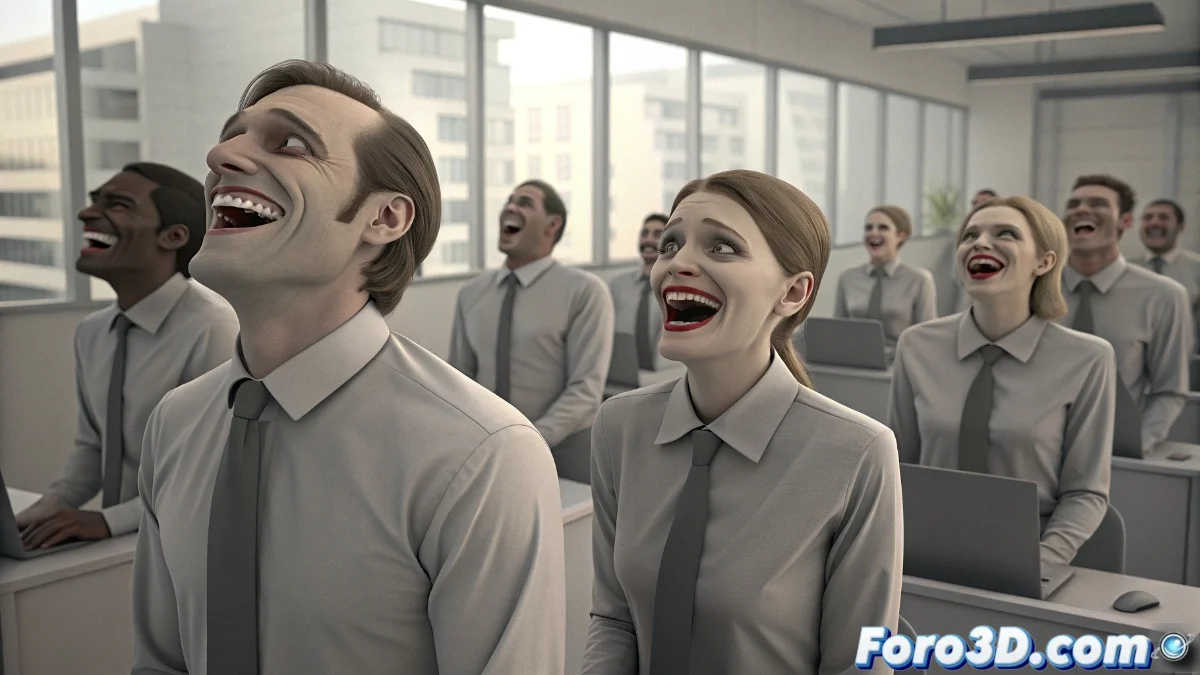
The Problem of Forced Smiles in Stock Images
Stock image bank photographs that feature exaggeratedly cheerful facial expressions often produce the opposite effect to what is desired, generating immediate disconnection with the viewer instead of establishing genuine emotional bonds 🎭.
The Psychology Behind the Rejection of Fake Happiness
Our brain has an innate ability to detect emotional incongruities, which explains why inauthentic smiles activate mechanisms of automatic distrust. This psychological response can extend to the associated brand or message, compromising communication effectiveness.
Factors that Intensify Rejection:- Facial expressions that do not match the emotional context of the situation
- Lack of harmony between different elements of the facial expression
- Absence of microexpressions spontaneous that accompany real emotions
In the obsessive search to convey perfection, we end up creating exactly the opposite of what we want: images that reveal their own artificiality
Strategies to Authentically Connect with the Audience
The solution lies in prioritizing genuine visual material that reflects real situations and spontaneous emotions. Natural expressions, even those showing concentration or seriousness, generate greater emotional identification than imposed joy.
Key Elements for Effective Images:- Representative diversity in ages, cultures, and authentic contexts
- Facial expressions congruent with realistic situations
- Scenarios that reflect genuine everyday moments
The Balance Between Professionalism and Authenticity
It is paradoxical how excess visual control can destroy the credibility one seeks to build. True emotional connection arises when images respect the human complexity in all its expressive diversity, including those moments where the smile is not the predominant emotion 🌟.