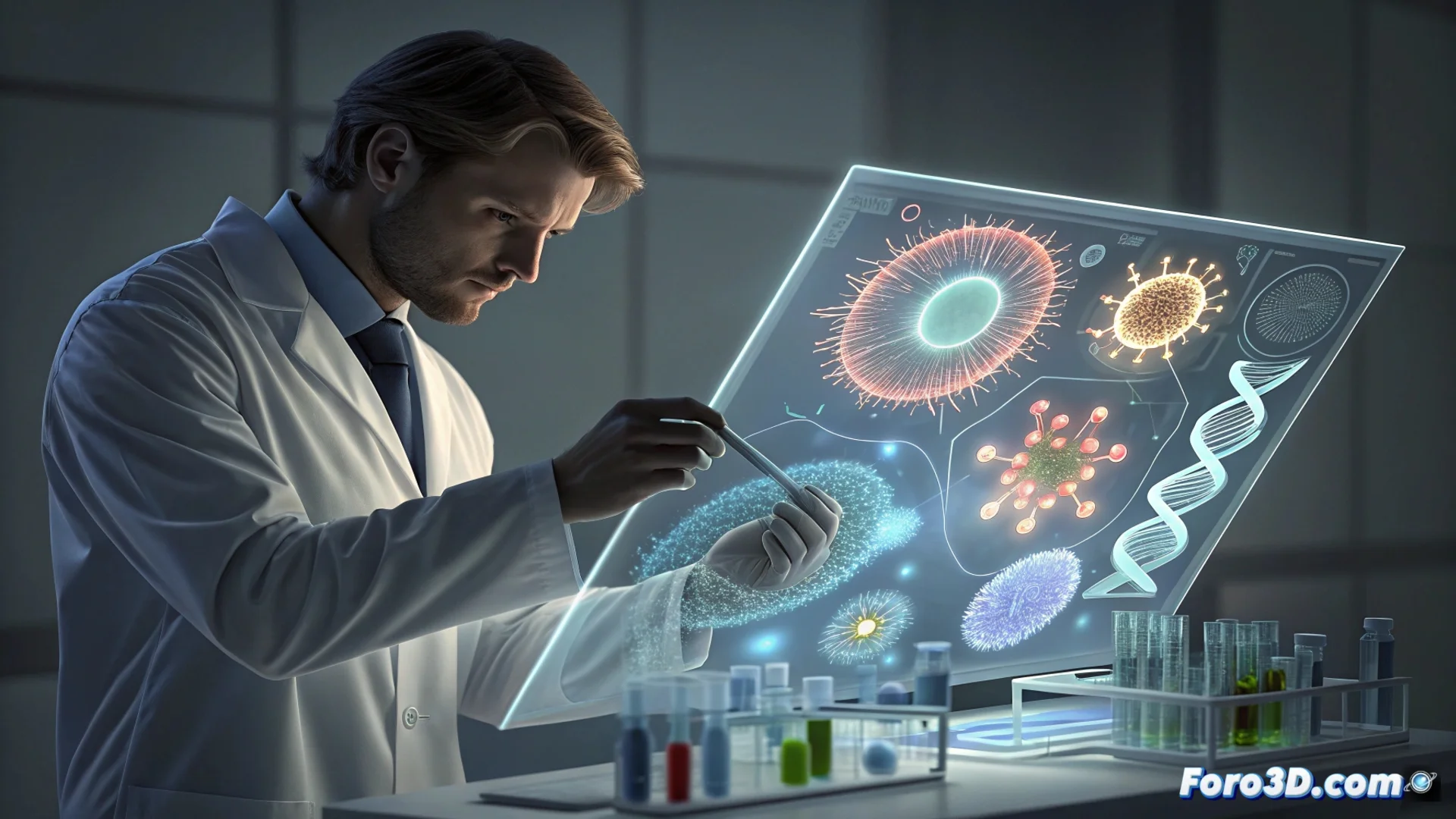
Antibiotic Prescription Transforms with Rapid Genetic Diagnostics
The model for prescribing antibiotics is shifting toward a more precise one in 2026. Doctors no longer rely solely on their experience or general epidemiological data. Now, tools that analyze DNA identify the causative microbe and how it defends itself against medications in just a few hours. This method aims to use the right drug from the first day, which can improve patient health and contain the global advance of bacterial resistances. 🔬
Technology Accelerates Treatment Decisions
Platforms that process many samples at once and molecular tests speed up laboratory work. Microbiologists obtain complete data on the pathogen's genome, including the genes that allow it to resist certain antibiotics. This information, added to the digital medical record, helps the doctor select a specific therapy. The period for adjusting the initial treatment based on assumptions is shortened, a vital factor in severe infections.
Key advantages of the new approach:- Quickly identify the exact pathogen and its resistance profile.
- Guide the doctor to choose a targeted treatment from the start.
- Reduce the time lost with empirical therapies that may not work.
Prescribing antibiotics on demand does not mean using them more, but using them better.
The Goal is to Protect the Utility of the Antibiotics We Have
Personalized prescribing does not promote freer use, but more rational use. The strategy prioritizes using the antibiotic with the narrowest possible spectrum to target the specific infection, avoiding unnecessary damage to the patient's flora. This more prudent use is fundamental in hospital programs to optimize antimicrobial use. The current challenge is to bring these advanced techniques to the entire healthcare network and make their price accessible.
Changes in the medical consultation:- Patients can now ask if their prescription is generic or responds to a DNA analysis of their infection.
- This generates more technical and detailed dialogues between the doctor and the treated person.
- It fosters greater awareness of the responsible use of these medications.
A More Precise Future to Combat Infections
The evolution toward a model that uses rapid genetic diagnosis marks a turning point. By being able to quickly know which bacterium causes the disease and what it resists, professionals can act with greater certainty. This not only improves individual outcomes but is an essential piece for preserving the efficacy of available antibiotics for future generations. The challenge remains to democratize access to this technology. 💊