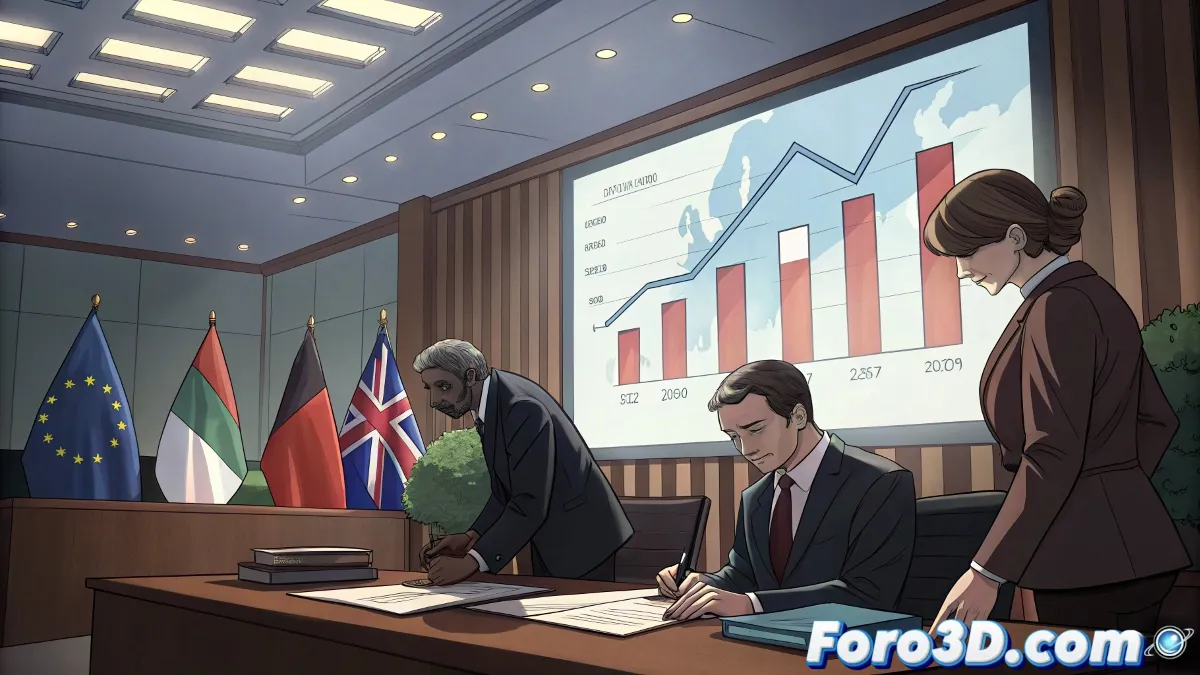
The Political Ecosystem of Animated Creation
The development of the animation industry is deeply intertwined with public policy decisions. State regulations not only affect the geographical location of studios, but shape the entire creative ecosystem. This symbiotic relationship between government and creativity largely determines the vitality of the sector in each region.
Mechanisms of Political Influence
Governments impact the animation industry through various channels:
- Economic incentives: Tax credits and production subsidies
- Training infrastructure: Support for schools and training programs
- Regulatory frameworks: Legislation on intellectual property and digital rights
- International promotion: Participation in global markets and festivals
"Where incentives end, creative exodus begins: animation is a nomadic art by nature"
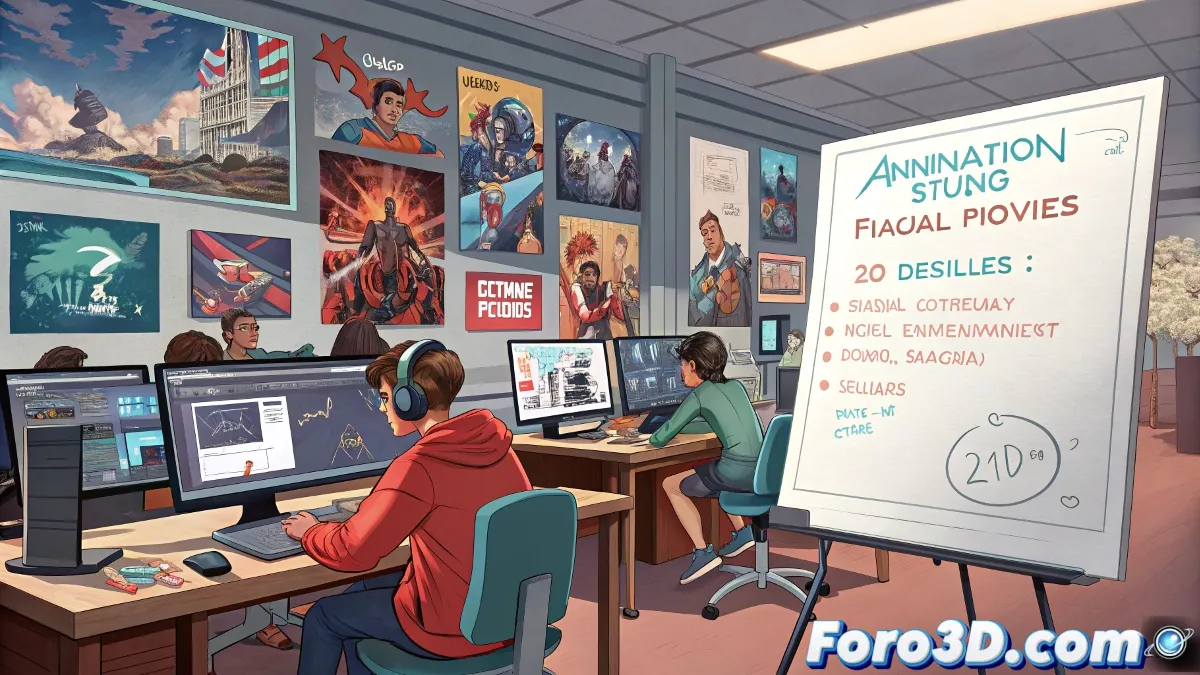
Collateral Effects of Public Policies
Government decisions generate unexpected consequences that go beyond the economic:
- Talent migration to regions with better conditions
- Changes in content to adapt to local cultural priorities
- Uneven development of technical specializations according to investment focuses
- Strengthening or weakening of regional visual identities
Towards a Sustainable Model
The most successful countries in retaining their animation industry have understood that more than temporary tax benefits is needed. A comprehensive strategy combines economic incentives with local talent development, intellectual property protection, and cultural promotion. The current challenge lies in creating policies that foster both international competitiveness and authentic artistic expression.
The future of animation as a global industry will largely depend on how governments balance economic support with creative freedom. Regions that achieve this balance will not only retain their studios, but cultivate vibrant creative ecosystems capable of influencing global visual culture.