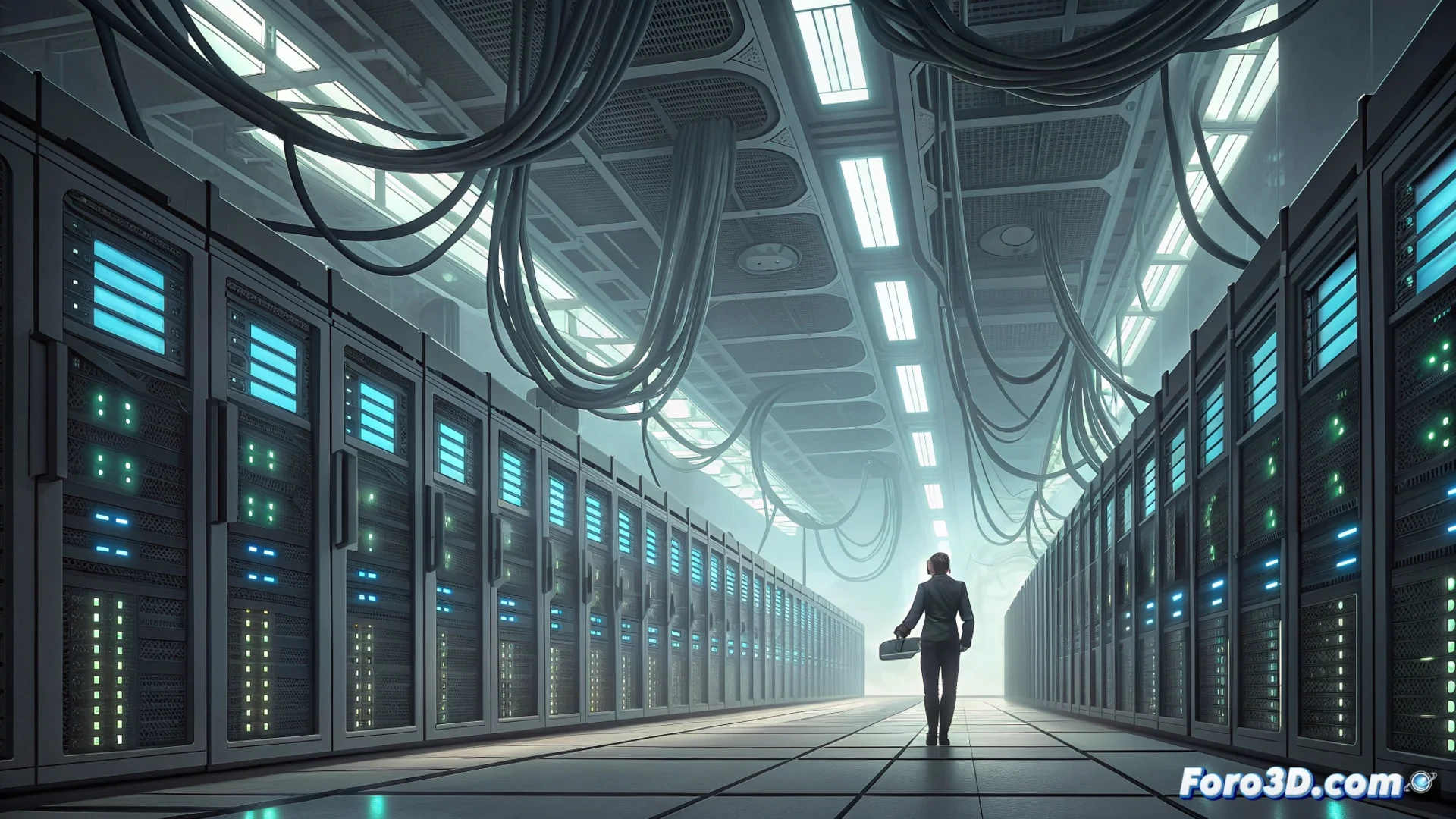
The Physical Limits of Data Center Growth
The digital infrastructure that supports our economy is expanding at a dizzying pace. However, this exponential growth to process and store information encounters very concrete material barriers. The availability of electrical energy, water for cooling, and physical space become critical factors that redefine the future of these facilities. ⚡
The Search for Energy Redraws the Location Map
The need to find abundant and low-cost electricity is displacing projects to previously unusual regions. Companies prioritize locations near large generation sources, whether renewable parks or nuclear power plants. This geographical shift is only part of the solution; the internal design is also evolving radically.
Innovations in Design and Cooling:- Build near renewable or nuclear energy sources to ensure supply.
- Design servers that can dissipate more heat in a smaller volume.
- Implement immersion cooling systems in dielectric fluid.
- Place complete modules on the seabed to use the ocean as a natural dissipator.
Cloud computing is not so ethereal when it needs rivers of real water to avoid melting and land extensions that rival small cities.
Artificial Intelligence Multiplies Resource Demand
Training and running modern AI models requires computing power that far exceeds conventional workloads. A single data center dedicated to these tasks can consume as much energy as a medium-sized city. This pressure forces a complete rethinking of the computing architecture.
Strategies to Manage AI Load:- Rethink how to distribute computing tasks among different facilities.
- Prioritize efficiency in every component, from chips to power systems.
- Optimize algorithms to reduce the number of necessary operations.
A Future with Heavy Foundations
Digital advancement depends on massive physical infrastructure with an insatiable appetite for resources. The industry faces the challenge of scaling its capacity while mitigating its environmental footprint and operating within real planetary limits. The path involves innovating in efficiency, location, and design, accepting that the virtual world has a very hot and demanding material counterpart. 🌍