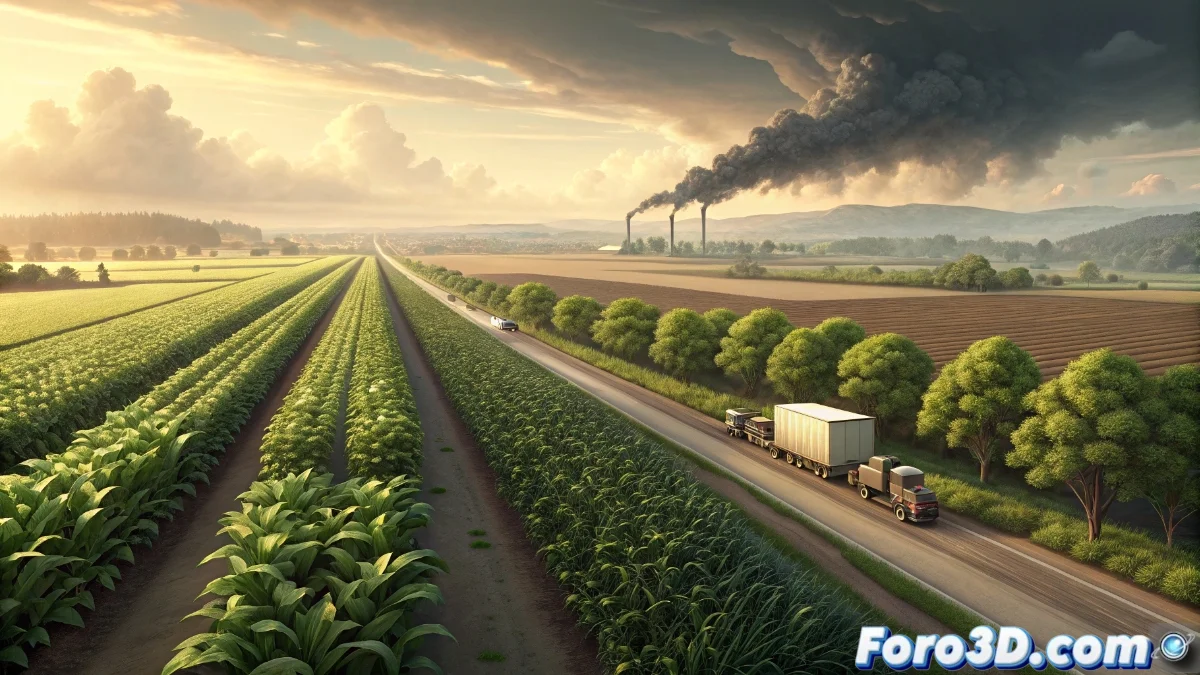
The Paradox of Eco-Friendly Products and Their Real Environmental Impact
Many people choose organic foods in the hope of contributing to a healthier planet, but they often overlook the hidden contradictions behind these production systems. Reality shows that the advertised sustainability can be compromised by agricultural and logistical practices that generate significant environmental damage 🌍.
The Dark Side of Globalized Eco-Friendly Production
Large-scale monocultures, although efficient for meeting massive demand, cause soil degradation and loss of biodiversity. When these systems are combined with international supply chains, greenhouse gas emissions multiply exponentially. A food certified as organic but transported from another continent may have a higher carbon footprint than a locally grown product using conventional methods.
Main problems of the current system:- Soil nutrient depletion due to intensive monocultures
- CO₂ emissions from international transport
- Loss of biodiversity in large-scale production areas
"Sometimes we buy a clean conscience in green packaging, but the planet keeps paying the price of the journey" - Reflection on responsible consumption
Practical Solutions for Truly Sustainable Consumption
True food sustainability requires rethinking our consumption habits. Prioritizing local and seasonal products, even without organic certification, can be more beneficial for the environment. Systems like agroecology and diversified agriculture offer viable alternatives that minimize dependence on long logistics chains.
Concrete alternatives for consumers:- Participation in community-supported agriculture groups
- Purchases at nearby markets and local producers
- Choice of seasonal foods grown regionally
Towards Genuine Eco-Consciousness
The ideal combination would be a locally produced eco-friendly product, where both transport emissions and the use of synthetic inputs are minimized. This holistic approach significantly reduces the total environmental footprint and supports more resilient regional economies. Next time we look for sustainable options, we should perhaps first look to our closest surroundings instead of blindly trusting distant eco-labels 🌱.