The Paradox of Digital Connection: Connected but Alone
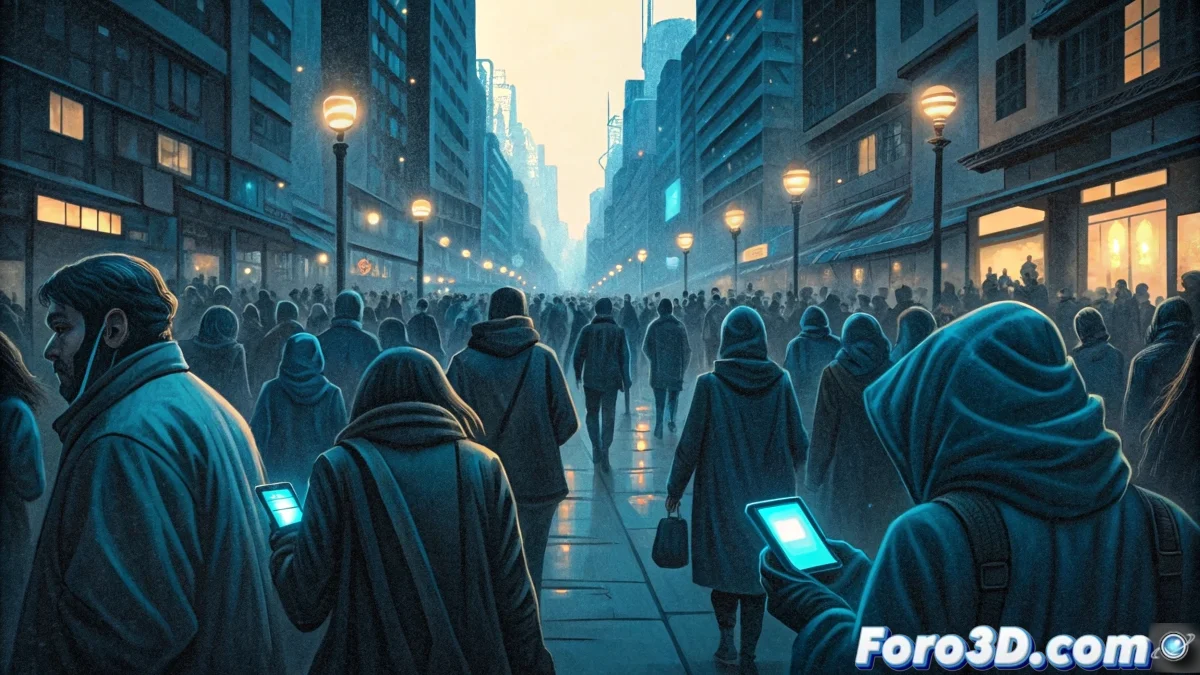
In today's world, digital connection has progressively replaced genuine interaction, as individuals in public spaces immerse themselves in screens while eye contact and mutual recognition fade into urban anonymity 🌆.
The Invisible Cost of Hyperconnection
Technology, which promised greater bonding, has fostered a relational indifference epidemic. Social networks create an illusion of companionship without the demands of real friendship, and algorithms encapsulate us in bubbles that limit our exposure to diverse perspectives. Interactions become transactional, measured in likes and followers, while skills like active listening and empathy atrophy in an environment that values immediacy over depth. This pattern manifests in both public and private spheres, where notifications interrupt family dialogues and physical presence no longer ensures authentic attention.
Key manifestations of this dynamic:- People in urban crowds, physically close but emotionally distant, due to constant device use
- Interactions reduced to functional and measurable exchanges, replacing deep and spontaneous conversations
- Families and friends at gatherings, where attention is divided between the digital and the present, diluting the quality of shared time
We have never been so technologically connected, but so emotionally disconnected.
Impact on the Social Fabric and Collective Health
The normalization of this emotional disconnection has tangible effects on public health, increasing feelings of loneliness and isolation even among those with extensive digital networks. Communities fragment as the habit of interacting with those who think differently or simply share physical space but not the digital feed is lost. Indifference acts as a defense mechanism against constant overstimulation, but it deprives us of the richness of chance encounters and the spontaneous solidarity that historically defined human societies.
Observable consequences:- Increase in feelings of loneliness and alienation, despite apparent online connectivity
- Community fragmentation, with less interaction between diverse groups and reduced social cohesion
- Loss of basic social skills, such as active listening and eye contact, requiring workshops and apps for their recovery
Final Reflections on Digital Coexistence
It is ironic that we need specialized applications to remind us to maintain eye contact or workshops to relearn listening, as if these innate abilities had become techniques requiring constant updates. The paradox reaches its climax when seeing groups of friends gathered in a bar, each immersed in their device, sharing the same space but inhabiting separate digital universes. We are connected with strangers thousands of kilometers away, but disconnected from those right in front of us, underscoring the urgent need to rebalance our relationship with technology to recover authentic human interaction 🤝.